A Sacred Connection to the Green World
There is something quietly magical about stepping into the garden with a basket in your hand and returning home with rosemary, lavender, sage, mint, or mugwort gathered from plants you have watched grow.
Perhaps you remember when that rosemary was barely more than a sprig. You may have watered it through an unforgiving summer, brushed your fingers against it every time you passed, watched bees investigate its flowers, or tucked fallen leaves back beneath it to feed the soil.
By the time you harvest it, the herb is no longer simply an ingredient.
It has become part of your relationship with the land.
For many Green Witches and Wiccan practitioners, herbs are companions in spiritual practice as much as they are useful plants. They may be woven into rituals for protection, burned as incense, tucked into charm bags, placed on seasonal altars, infused into oils, added to ritual baths, or simply held while sitting quietly beneath the moon.
Learning how to harvest, dry, and store herbs for magical use allows you to care for those plants thoughtfully from the moment they are gathered until the moment they enter your ritual work.
And while magical correspondences can bring another layer of meaning to the process, there is an equally important practical truth beneath it all:
A beautifully harvested herb that molds in the jar is not particularly magical.
Good Green Witchcraft begins with good stewardship.
When harvesting herbs, let the health of the plant come before the timing of the moon. Lunar correspondences can deepen your ritual, but the living plant should always have the final word.
This guide will take you through the entire cycle: choosing the right moment to harvest, gathering herbs respectfully, drying them safely, storing them well, blessing your herbal apothecary, and finally bringing those plants into spellwork and ritual.
If you are beginning to build your own magical herb collection, you may also enjoy exploring the essential herbs for a Green Witch apothecary as you decide what you would like to grow and work with first.

Why Harvesting Herbs Can Become Part of Green Witchcraft
Modern life makes herbs remarkably easy to obtain.
You can purchase rosemary, lavender, chamomile, sage, basil, or peppermint with a few taps on your phone. There is absolutely nothing wrong with doing so. Not every Green Witch has a garden, and not every magical plant grows happily in every climate.
But growing and harvesting even one plant yourself changes the experience.
Small details start becoming familiar: the first new leaves of spring, the afternoon the bees arrive, and the way an herb's fragrance strengthens after the sun warms it.
Watering becomes less about guessing and more about recognizing what the plant is telling you. You learn the look of healthy growth, the droop of thirst, and the subtle signs that something is wrong.
That attention is part of the practice.
The magic often begins long before the herb reaches the altar. It begins when you learn to notice the living plant.
Harvesting becomes an exchange rather than a transaction.
The plant provides something useful. You tend the soil, water when necessary, protect pollinators, prune carefully, compost what is unused, and help create conditions in which the plant can continue growing.
This is one reason gardening sits so naturally beside Green Witchcraft. If you are still creating your own growing space, my guide to creating a Green Witch garden can help you begin with plants that serve both your landscape and your spiritual practice.
Before You Harvest: Know the Plant in Front of You
Before moon phases, ritual knives, correspondences, chants, or offerings enter the picture, there is one essential requirement:
Know exactly what you are harvesting.
This is especially important when wildcrafting.
Some harmless plants have dangerous look-alikes. Other plants may be irritating to the skin, toxic when swallowed, unsafe during pregnancy, unsafe for pets, or inappropriate for burning because their smoke can be irritating or harmful.
A plant being described as “magical” does not automatically mean it is edible, burnable, or safe to use on the body.
Only make teas, foods, tinctures, bath preparations, or other body-use products from plants you have positively identified and know are appropriate for that use. Magical correspondences and herbal safety are two different things.
If you are uncertain about identification, enjoy the plant where it grows and leave it there.
There is no failed ritual in choosing caution.
When Is the Best Time to Harvest Herbs?
One of the most interesting parts of learning how to harvest herbs for magical use is that there are really two calendars operating at once.
There is the calendar of the plant, determined by weather, growth, flowering, seed production, dormancy, and season.
Then there is the magical calendar, shaped by moon phases, Sabbats, planetary correspondences, personal symbolism, and ritual intention.
A Green Witch can work with both.
Let the Plant's Growth Cycle Come First
As a general rule, harvest healthy plant material on a dry day after morning dew has evaporated. Avoid harvesting immediately after heavy rain when leaves and flowers are saturated with moisture.
The ideal stage depends on what you are collecting.
- Leaves: often gathered while young, healthy, and aromatic, frequently before or around flowering depending on the species.
- Flowers: generally harvested when freshly opened and before they begin browning or fading.
- Seeds: collected when fully developed and mature.
- Roots: often harvested when the plant's energy has moved downward toward the root, though timing varies considerably by species.
- Bark and woody material: should be approached carefully because removing bark from a living tree can seriously damage it. Whenever possible, use naturally fallen branches, responsibly pruned material, or material gathered through proper tree care.
The plant itself is your first calendar.

Harvesting Herbs by the Moon
If lunar practice is part of your Green Witchcraft, you can add another layer of intention by considering the moon phase.
This does not mean herbs gathered under the “wrong” moon suddenly become useless. Think of moon phases as symbolic companions rather than strict magical expiration dates.
Waxing Moon
The waxing moon grows brighter each night and is traditionally associated with attraction, building, strengthening, and increase.
You might harvest herbs during this phase for:
- prosperity workings
- confidence
- creativity
- fertility symbolism
- new opportunities
- strengthening relationships
Full Moon
The full moon is often associated with illumination, completion, intuition, heightened awareness, and spiritual energy.
Some practitioners enjoy gathering small amounts of herbs intended for divination, dreamwork, lunar rituals, altar offerings, or intuition practices during this time.
Waning Moon
As the moon appears to grow smaller, its symbolism turns toward release, clearing, protection, and letting go.
Herbs harvested with these intentions might later be used in rituals involving:
- banishing unwanted habits
- cleansing
- energetic boundaries
- release
- protection
New Moon
The dark or new moon is often treated as a quiet threshold.
Rather than being a poor time to harvest, it can simply carry different symbolism. You might gather herbs for introspection, shadow work, rest, intention setting, or beginnings that have not yet taken visible form.
If lunar practice speaks to you, explore how gardening and plant work can follow natural lunar rhythms in my guide to gardening by the moon.

Harvesting Herbs Through the Wheel of the Year
The changing seasons offer another natural rhythm for gathering magical herbs.
There is no need to force every harvest into a Sabbat correspondence. Instead, notice how the plants themselves express the turning Wheel.
Spring: Tender Beginnings
Spring carries the energy of emergence.
New leaves unfurl. Perennials return from seemingly empty soil. Seeds split open underground long before we see any evidence of life above them.
Spring harvesting may feel especially aligned with:
- renewal
- hope
- fertility
- new beginnings
- creativity
- cleansing
Early spring is also an excellent time simply to observe rather than harvest heavily. Young plants need enough foliage to establish themselves.
Summer: Abundance and Fire
By summer, many herb gardens are overflowing.
Lavender blooms. Rosemary hums with pollinators. Mint stages its annual attempt at garden domination. Basil suddenly seems determined to become a shrub.
This is the season of abundance.
The energy of the Fire Element is easy to recognize in long days, warm soil, flowers, fragrance, bees, butterflies, and rapidly growing herbs.
Summer herbs can be lovely additions to workings involving vitality, courage, joy, protection, creativity, and abundance.
If you work with the Sabbats, your midsummer garden can become part of Litha rituals honoring the height of the sun.
Autumn: Seeds, Roots, and Returning Inward
Autumn shifts attention toward completion and preservation.
Seeds ripen.
Annual plants finish their life cycles.
Perennials begin drawing energy inward.
The garden becomes less interested in producing endless leaves and flowers and more concerned with preparing for what comes next.
Autumn is particularly meaningful for magical themes involving:
- gratitude
- harvest
- ancestral reflection
- protection
- release
- preservation
This seasonal relationship between gathering and gratitude is especially beautiful around Lammas and the first harvest season.
Winter: The Apothecary Season
Winter may offer fewer fresh herbs, but it has its own kind of herbal magic.
This is when the jars gathered throughout the year come alive.
You open dried rosemary harvested beneath July sun.
You crumble lavender flowers that still smell faintly of June.
You find a small envelope of calendula seeds waiting to become next year's garden.
Winter reminds us why we preserve anything at all.
Drying herbs allows one season to speak into another.

How to Harvest Herbs with Magical Intention
Once you know the plant is ready, harvesting can become a small ritual in itself.
No elaborate ceremony is required. Robes, ritual music, and a long spoken invocation are welcome if they genuinely bring meaning to your practice, but they are not prerequisites.
Sometimes the entire ritual is simply standing beside the plant, placing a hand near its leaves, and becoming completely present for a moment.
Pause Before Cutting
Many Green Witch traditions include asking the plant for permission before harvesting.
You can interpret this literally, spiritually, intuitively, or symbolically.
The important part is the pause.
Instead of rushing into the garden and clipping whatever you need, you stop and notice.
Is the plant healthy?
Is it newly planted?
Is it flowering heavily for pollinators?
Has it been stressed by drought?
Is this really the right time to take from it?
Sometimes the answer is yes.
Sometimes the most magical response is to put the scissors back in your pocket.

Tools for Harvesting Magical Herbs
Special tools are not necessary, but a few simple items make harvesting easier.
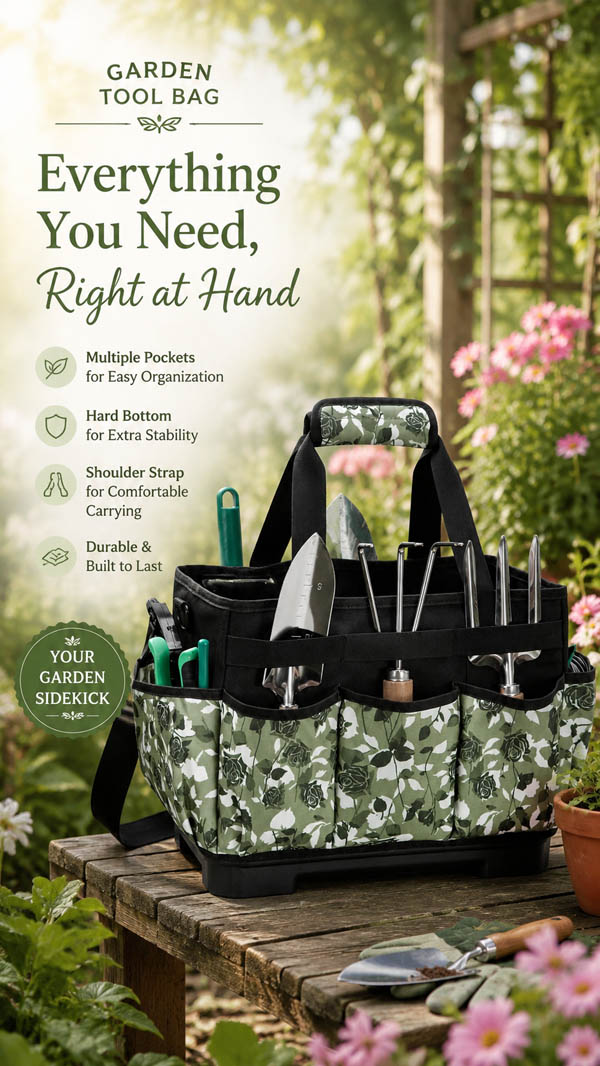
- Clean pruning scissors or herb snips
- A harvest basket
- Paper bags for seeds or flowers
- Clean cloth or linen bags
- Labels if gathering several plants
- Gloves for irritating or thorny plants
Some Wiccan traditions use a boline, traditionally a practical working knife associated with cutting herbs, cords, branches, and other materials used in ritual practice.
If you have one, use it if that feels meaningful.
If you have ordinary garden snips from the hardware store, the rosemary is unlikely to take offense.
Clean tools and respectful harvesting matter far more.

How Much Should You Harvest?
A familiar guideline is to avoid taking more than roughly one-third of a thriving plant at one time.
But even that is only a guideline.
A young, stressed, slow-growing, or wild plant may tolerate far less harvesting. A vigorous mint bed may practically beg you to arrive with reinforcements.
Observe the species and the health of the individual plant.
When harvesting wild plants, be even more conservative.
Never take rare plants, protected plants, or large amounts from small populations. Make sure harvesting is permitted where you are gathering.
Should You Leave an Offering?
Offerings can be a beautiful part of Green Witchcraft, but choose them with ecological care.
A whispered thank-you may be the safest offering of all.
You might also:
- water a cultivated plant
- remove nearby litter
- add compost around your garden plants later
- save seeds
- plant another pollinator-friendly herb
- care for the surrounding habitat
Avoid leaving ribbons, coins, crystals, food, wax, salt, hair, or other objects in natural areas where they can become litter or harm wildlife.
Reciprocity does not have to mean leaving something behind.
Sometimes reciprocity means leaving the place better than you found it.
A Simple Harvest Blessing
Green one rooted in Earth below,
fed by rain and sunlit glow,
I gather gently, taking small,
with gratitude for gift and all.
May what remains continue strong,
and may this harvest do no wrong.

Harvesting Herbs Through the Five Elements
The Five Elements offer a lovely framework for understanding the entire herbal process.
Rather than assigning every plant to a single element, notice how all five participate in the herb's life.
Earth: Root, Soil, and Substance
Earth is the body of the plant.
Soil provides minerals, anchoring, microorganisms, and physical support. When harvesting, the Earth Element reminds us to remain practical.
Is the plant healthy?
Are we taking sustainably?
Will it regrow?
If elemental practice is central to your path, you can explore the grounding symbolism of Earth in Green Witchcraft more deeply.
Water: Sap, Rain, and Relationship
Water moves through the plant.
It carries nutrients, supports growth, and reminds us that gardens are living relationships rather than decorative collections.
Water also teaches restraint. Too little harms a plant. Too much can do the same.
Fire: Sunlight and Transformation
Fire arrives through sunlight.
Plants transform light into the energy that allows stems to stretch upward, flowers to open, and leaves to multiply.
Later, Fire may return when herbs become incense, candle dressings, or warmed ritual oils.
Air: Fragrance, Breath, and Drying
Air carries the scent of rosemary from one side of the garden to another.
It carries pollen.
It moves through drying bundles and helps moisture leave harvested leaves.
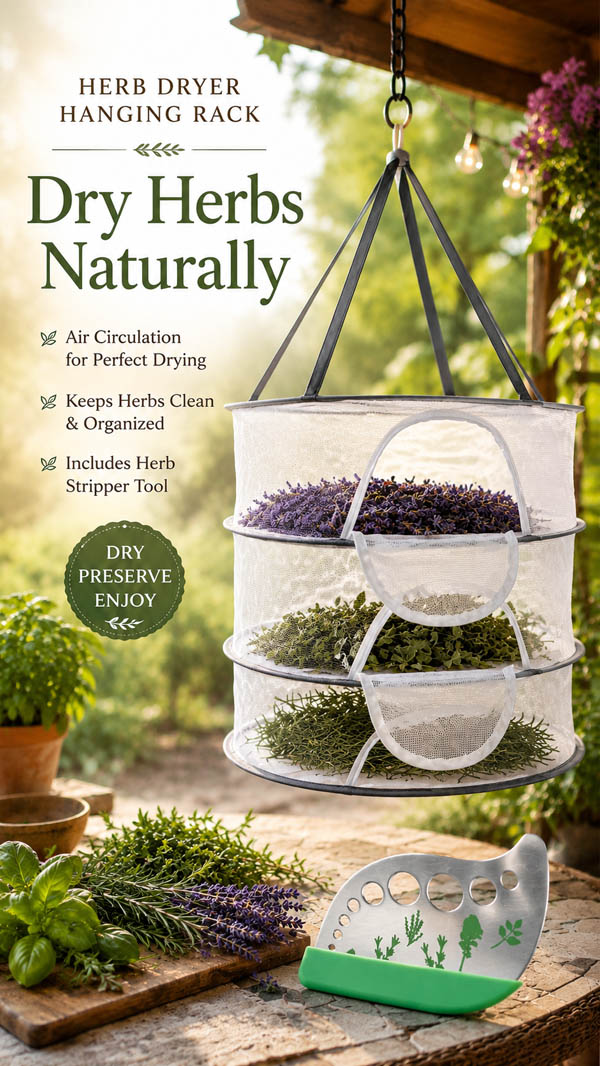
When herbs are hung from rafters or spread across screens, Air becomes one of your most important preservation allies.
Spirit: Intention and Relationship
Spirit is harder to place in a jar. It lives in the meaning you bring to the process, the memory of growing the plant, the ritual performed months later, and the awareness that you are participating in a cycle rather than simply consuming a product.

How to Dry Herbs for Magical Use
Once herbs have been harvested, drying protects the quality of the plant and prepares it for storage. For magical practitioners, it can also mark a transition: the herb's season in the garden is ending while its life in the apothecary begins.
Should You Wash Herbs Before Drying?
Clean herbs gathered from your own pesticide-free garden may need little more than gentle brushing and inspection. If they are dusty, muddy, or carrying visible debris, rinse carefully and let all surface moisture dry before preservation begins.
Remove yellowing or diseased leaves, damaged sections, insects, soil, and any weeds accidentally gathered with the harvest.
Method One: Hanging Herbs to Air-Dry
This is probably the image most people imagine when they think of a witch's cottage. Bundles hanging from beams certainly look enchanting, but the method is practical too.
Tie herbs in small, loose bundles and hang them somewhere dry, well ventilated, protected from direct sunlight, and away from cooking grease or heavy dust.
Drying may take several days to a couple of weeks depending on the plant, humidity, and bundle size. Let texture rather than the calendar be your guide: leaves should feel crisp and stems should snap rather than bend.

Method Two: Screen Drying
Screen drying works beautifully for loose leaves, petals, small flowers, and herbs that do not bundle easily. Spread them in a single layer over clean mesh with room for air to circulate above and below.
Turn or gently stir the herbs occasionally. This method is especially useful for delicate flowers whose shape you would like to preserve.
Method Three: Using a Dehydrator
There is nothing spiritually inferior about using a dehydrator. Technology and witchcraft do not need to glare suspiciously at one another from opposite sides of the kitchen.
A dehydrator can be especially helpful in humid climates. Use a low temperature appropriate for herbs and follow the instructions for your machine; the goal is gentle moisture removal rather than cooking the plant.
For research-based practical guidance, the National Center for Home Food Preservation offers specific recommendations for drying herbs safely at home.
What About Drying Herbs in the Sun?
Direct sunlight can fade the color and quality of many dried herbs, so a shaded, warm, well-ventilated place is usually better for long-term preservation.
Sunlight may carry powerful magical symbolism, especially for solar herbs, but Fire can be honored during the harvest while your calendula dries quite happily in the shade.
How Do You Know When Herbs Are Completely Dry?
Herbs can feel dry on the outside while retaining moisture inside stems, flowers, or thicker leaves, so check them carefully before storage.
Well-dried herbs generally:
- feel crisp rather than leathery
- crumble or break easily
- have stems that snap instead of fold
- show no condensation when placed temporarily in a clean jar
- have no musty or sour odor
When in doubt, give them more time. An extra day on the drying rack is far less disappointing than opening a beautiful jar two weeks later and discovering a tiny civilization of mold inside.

How to Store Herbs for Magical Use
Once the herbs are thoroughly dry, it is time to move them into your apothecary.
This part of the process can become wonderfully personal.
Your herbal storage might be an antique cabinet, a kitchen shelf, a wooden box, an altar drawer, or three mismatched shelves above the washing machine.
Magic survives ordinary houses remarkably well.

Choose Airtight Containers
Glass jars are popular because they are reusable, easy to clean, and allow you to inspect the contents.
Amber glass can offer additional protection from light, but ordinary clear jars stored inside a dark cabinet also work well.
Make sure containers are completely dry before filling them.
Keep Herbs Away from Light, Moisture, and Heat
A cool, dark, dry cabinet is usually preferable to an open shelf directly beside a sunny window.
The beautiful apothecary display can still happen, but consider keeping herbs intended for long-term use protected from strong sunlight.
Avoid humid areas such as cabinets directly above kettles or stoves.
Label Everything
Few things humble a witch faster than staring at a jar six months later and whispering, “I am almost certain this is thyme.”
Label the jar.
At minimum, include:
- common plant name
- harvest date
- plant part
You may also include:
- botanical name
- harvest location
- moon phase
- Sabbat or season
- magical correspondences
- intended ritual purpose
Keeping an herb journal alongside your jars can help you notice which harvesting and drying methods work best in your climate.

How Long Do Dried Magical Herbs Last?
Magical herbs do not suddenly lose all spiritual meaning when a calendar year passes.
But dried plant material does gradually lose fragrance, color, and quality.
Rather than relying on an arbitrary magical expiration date, regularly inspect your collection.
Replace herbs when they:
- develop mold
- smell musty
- show signs of moisture
- become badly faded
- lose nearly all fragrance
- show evidence of insects
If an herb was gathered for symbolic use rather than scent or herbal preparation, you may choose to keep it longer because of the personal meaning attached to it.
A sprig of rosemary gathered from an ancestral garden, for example, may become more of a sacred keepsake than an herbal ingredient.
Those are different categories of object and do not need to follow identical rules.

Blessing Your Herbal Apothecary
Once your herbs are dried, labeled, and tucked into their jars, you may want to bless the collection.
This can be especially meaningful after a large seasonal harvest.
Charging every herb is not a requirement for magical use. Some Green Witches prefer their herbs to remain energetically neutral until a specific ritual gives them purpose, while others enjoy blessing the entire apothecary.
Both approaches are perfectly workable.
A Simple Five Element Herb Blessing
Place several jars from your apothecary before you.
You might represent each element with something simple:
- Earth: a stone, soil, or potted plant
- Water: a small bowl of clean water
- Fire: a candle or battery-operated candle
- Air: incense, a feather, or simply your breath
- Spirit: your own presence and intention
Place your hands near the herbs and say:
Rooted in Earth,
nourished by Water,
warmed by Fire,
carried by Air,
and held within Spirit,
may these herbs be treated with wisdom,
used with gratitude,
and returned to the Earth when their work is done.
Then simply sit for a moment.
No dramatic flash of green light is required.
The blessing is the attention.
Ten Magical Herbs Worth Growing and Preserving
1. Rosemary
Rosemary is one of the most versatile plants in a Green Witch garden.
Magically it is often associated with protection, remembrance, purification, clarity, and loyalty.
Its evergreen nature also gives it lovely symbolism around endurance and continuity.
It can be dried in bundles, used in incense blends, added to spell jars, woven into wreaths, or placed on an ancestral altar.
If rosemary is becoming one of your favorite garden allies, explore more reasons to grow rosemary at home.

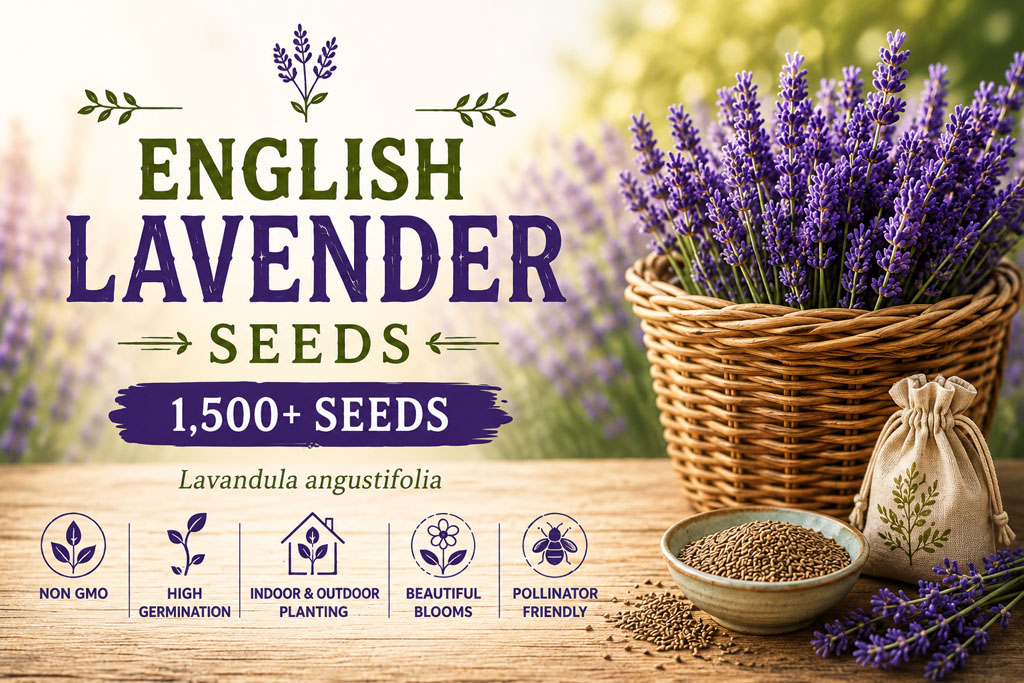
2. Lavender
Lavender carries an entirely different presence.
Where rosemary feels bright and protective, lavender often feels soft and settling.
It is traditionally associated with peace, purification, love, sleep, emotional balance, and protection.
Dried buds can be placed in sachets, pillows, charm bags, ritual baths, altar bowls, or herbal blends appropriate to their intended use.
You can explore its deeper symbolism through the spiritual and magical meaning of lavender.
3. Basil
Basil brings exuberant summer energy to the herb garden.
It grows quickly in warmth and is traditionally associated with prosperity, attraction, protection, friendship, and abundance.
Harvesting basil regularly also encourages many varieties to branch and remain productive.

4. Mugwort
Mugwort has a long reputation as a plant associated with dreams, intuition, liminal spaces, protection, and divination.
Because mugwort can spread enthusiastically in some regions, grow it responsibly and research its behavior in your area before planting it directly into garden soil.

5. Chamomile
Chamomile's tiny daisy-like blossoms feel almost ridiculously cheerful.
Magically it is associated with peace, luck, prosperity, purification, and gentle solar energy.
Its flowers can be dried carefully on screens to help preserve their shape.
6. Thyme
Thyme has traditionally been connected with courage, strength, purification, protection, and vitality.
Its tiny leaves dry readily and store well.
Because thyme is also a valuable culinary herb, it is one of those lovely plants that can wander between kitchen and altar without needing to choose sides.
Affliliate Link

Explore growing your own mint collection
7. Peppermint
Peppermint carries an unmistakably bright presence.
It is frequently associated with energy, communication, prosperity, clarity, renewal, and cleansing.
If you grow it yourself, a container may save you from eventually discovering that your entire property has become a peppermint kingdom.

8. Sage
Different sages have different growing habits, histories, and cultural significance, so avoid treating every plant called “sage” as interchangeable.
Common culinary sage, Salvia officinalis, is a wonderful garden herb traditionally associated with wisdom, protection, prosperity, purification, and longevity.
If you are considering adding it to your garden, explore the many reasons Green Witches may enjoy growing sage.
9. Yarrow
Yarrow has an ancient reputation in folklore and magic.
It is often connected with courage, divination, love, protection, energetic boundaries, and resilience.
Its clusters of tiny flowers can be dried for altar work, spellcraft, and decorative botanical preparations.

10. Calendula
Calendula seems to capture a small piece of sunlight in every flower.
Its magical correspondences often include joy, protection, confidence, prosperity, warmth, and solar energy.
The petals dry beautifully and can bring golden color to an apothecary shelf in the middle of winter.
Creating a Magical Herb Apothecary
Your apothecary does not have to resemble an enchanted potion shop hidden behind a crooked door in an ancient village, though admittedly, that would be delightful.
What it really needs to be is functional.
Choose a place where herbs can remain cool, dry, labeled, and protected from strong sunlight.
Helpful Apothecary Tools
You might gradually collect:
- airtight glass jars
- small bottles
- labels
- a mortar and pestle
- muslin sachets
- tea strainers
- drying screens
- garden snips
- a small scale
- funnels
- an herbal journal
There is no reason to collect everything at once. An apothecary built slowly often becomes more useful because each tool arrives in response to something you actually do.

Ways to Organize Magical Herbs
You can organize your jars alphabetically, but if you enjoy creating magical systems, there are many other possibilities.
By intention:
- Protection
- Love
- Dreamwork
- Prosperity
- Healing symbolism
- Cleansing
By element:
- Earth
- Water
- Fire
- Air
- Spirit
By season:
- Spring
- Summer
- Autumn
- Winter
Or you can simply organize them by whichever arrangement prevents you from spending fifteen minutes searching for the lavender.
Practical magic is still magic.
Common Herb Harvesting and Drying Mistakes
Most preservation problems come down to taking too much, storing too soon, or asking the plant to follow our plans instead of its own condition.
- Harvesting too much: Take what you realistically expect to use. Enthusiasm can turn a small harvest into accidental deforestation astonishingly quickly.
- Harvesting wet herbs: When practical, let rain or heavy dew dry from the leaves before cutting.
- Making bundles too large: Cottage-worthy bunches are charming, but smaller bundles allow better airflow.
- Storing too soon: Bending stems and soft leaves need more drying time, not a prettier jar.
- Displaying jars in full sun: Keep herbs intended for long-term storage somewhere cool and dark.
- Letting magical timing outrank plant health: If the full moon arrives with a thunderstorm, wait. The moon will continue doing what the moon does with impressive reliability. Let the plant be ready first.

Using Your Dried Herbs in Ritual and Spellwork
Once your herbs are properly dried and stored, the possibilities widen considerably.
Dried herbs can become part of:
- spell jars
- charm bags
- altar offerings
- seasonal wreaths
- ritual baths when botanically appropriate
- herbal teas when positively identified and safe for internal use
- incense blends when safe to burn
- candle dressings used with appropriate fire safety
- anointing oils
- dream pillows
- floor washes
- protection bundles
- moon rituals
- meditation practices
You might also combine your herbs with the natural objects already on your altar. My guide to creating a Green Witch altar with natural elements offers ideas for bringing plants, stones, water, candles, and seasonal materials together without making the space feel cluttered.
A Simple Herbal Invocation
Herb of root and leaf and rain,
sunlit field and garden lane,
grown from Earth and gathered here,
I welcome now your presence near.
With purpose clear and spirit kind,
may this work serve heart and mind.

Returning Old Herbs to the Earth
Eventually every herbal collection develops a few jars whose moment has passed.
Maybe the rosemary has lost its scent, the mint harvest from three summers ago was wildly optimistic, or you simply no longer connect with the intention attached to a particular jar.
Being part of magical practice does not mean an herb must be kept indefinitely.
If the plant material is free from mold, chemicals, wax, oils, glitter, salt, and other unsuitable ingredients, it may sometimes be appropriate to compost it.
Otherwise, dispose of it responsibly.
This final return can itself become part of the ritual cycle.
The herb came from Earth.
It grew through Water and Fire.
Air helped preserve it.
Spirit gave it meaning.
And eventually, its physical form returns.
The Deeper Magic of Growing Your Own Herbs
Learning how to harvest, dry, and store herbs for magical use teaches something larger than preservation: it teaches attention.
With time, lavender nearing bloom, rosemary ready for pruning, bees choosing their favorite flowers, and the shifting path of sunlight become familiar signs rather than background scenery.
This is one of the quiet gifts of Green Witchcraft. The sacred can look remarkably ordinary: knowing when basil needs water, recognizing the smell of rain, saving seeds, watching a moonflower open, or remembering which jar contains thyme.
For readers exploring this path more broadly, Green Witchcraft as a nature-centered spiritual practice can place these small rituals within a larger relationship with the living world.

Final Reflections: Let the Harvest Become a Relationship
A jar of dried lavender may look like a very small thing.
But look more closely.
Inside that jar is spring rain.
There is summer sunlight.
There is soil, pollination, patience, pruning, and time.
There is the morning you walked outside with your basket.
There is the decision to harvest only what you needed.
There are several days of herbs drying quietly in some forgotten corner of the house.
There is your handwritten label.
And eventually there may be a winter evening when you open that jar and the scent of another season rises into the room.
That is the deeper beauty of learning how to harvest, dry, and store herbs for magical use.
You are not merely collecting ingredients for spells.
You are preserving moments in the turning year.
You are learning to work with Earth rather than simply taking from it.
You are allowing gardening, witchcraft, sustainability, ritual, and everyday life to grow together until it becomes difficult to say precisely where one ends and another begins.
Gather gently.
Dry patiently.
Store thoughtfully.
Use gratefully.
And when the work is finished, return what you can to the Earth.
That simple cycle may be one of the oldest forms of green magic there is.