How to Grow, Harvest, Dry, and Store Mugwort for Magical Use
How to Grow, Harvest, Dry, and Store Mugwort for Magical Use is one of those topics where the magic and the gardening need to sit at the same table. Mugwort is a powerful plant in Green Witch practice, often saved for sachets, altar bowls, moon work, dreamwork, divination spaces, and seasonal rituals. But in the garden, mugwort is not a shy little herb waiting politely in the corner.
This vigorous perennial can spread quickly if planted without a plan. A responsible Green Witch approach means honoring both truths: mugwort can be spiritually meaningful, and it can become a garden problem if grown carelessly.
In this guide, we will look at growing mugwort responsibly, choosing the right container, harvesting leaves and stems for magical use, drying mugwort properly, and storing it safely in labeled jars. This is the practical herb-garden side of the path: soil, scissors, drying bundles, clean jars, and a little moonlight tucked into the work.

Should You Grow Mugwort in Your Garden?
Before you plant mugwort, pause at the garden gate and ask a practical question: should this herb be grown in your space at all? Mugwort can be deeply meaningful for magical use, but it is not always a good fit for open garden beds. It spreads through underground rhizomes, and once established, it can be difficult to remove.
The safest way to keep mugwort in the garden is usually in a pot. A container gives the plant a clear boundary and helps prevent it from wandering into vegetable beds, native plantings, neighboring gardens, or open soil where it can settle in too comfortably.
If you garden in a small yard, rental property, shared space, urban lot, or anywhere near wild edges, container growing becomes even more important. A contained plant can still provide leaves for drying and magical use without turning into a long-term management problem.
Some Green Witches may decide not to grow mugwort at all. Buying dried mugwort from a trusted supplier can be more responsible than introducing a spreading plant into a space where it may be hard to control. There is no loss of magic in choosing wisdom before romance.
If you want mugwort’s deeper symbolism, folklore, moon associations, and magical meanings, explore the main guide to mugwort’s spiritual meaning and magical uses. This article stays focused on growing, harvesting, drying, and storing the herb with care.

Understanding How Mugwort Grows
Learning how to grow mugwort begins with understanding its roots. Mugwort is a perennial herb, often associated with Artemisia vulgaris, and it can return year after year when conditions support it. Depending on the site, it may grow several feet tall, with upright stems and aromatic leaves that are green above and paler or silvery beneath.
The part most gardeners need to respect is below the soil. Mugwort spreads mainly by rhizomes, which are underground stems that can send up new shoots. If roots are cut, moved, tilled, or tossed into compost without care, pieces may be able to regrow.
This is why mugwort should not be treated like basil, parsley, or a tender annual that disappears politely at the end of the season. Mugwort has staying power. That can be beautiful when you are building a relationship with the plant, but frustrating if it escapes into places where you do not want it.
Understanding mugwort’s growth habit does not mean fearing the plant. It means respecting it. A Green Witch practice should be rooted in observation, and mugwort teaches quickly: what grows below the surface matters just as much as what blooms above it.

Best Growing Conditions for Mugwort
Mugwort is not especially fussy once established, which is part of why it needs thoughtful handling. It generally does well in full sun to partial sun and prefers soil that drains well. It can tolerate moderately dry to medium-moisture conditions, but it should not sit in soggy soil.
If you are growing mugwort in a container, choose a spot with several hours of light each day. A sunny patio, gravel area, balcony, or stone path can work well, especially if the pot is not sitting directly over open soil. The goal is to give mugwort enough light to grow while keeping its roots from slipping into the wider garden.
Use a well-draining potting mix rather than dense garden soil. Mugwort does not need a luxurious, overfed bed. In fact, overly rich conditions may encourage lush growth that you then have to manage more often.
Keep mugwort away from vegetable beds, delicate herb gardens, native plantings, and shared fences. If you want mugwort for magical use, a dedicated container is usually cleaner, safer, and easier to manage.

Why Container Growing Is Usually Best
Mugwort container growing starts with drainage, placement, and regular trimming. A pot creates a physical boundary between mugwort’s rhizomes and the rest of your garden. This matters more than aesthetics. Once mugwort escapes into open soil, removing it can become a long and stubborn project.
Choose a large container with drainage holes. Mugwort can grow tall, so a tiny pot may dry out too quickly or tip over once the plant gains height. A heavier pot made of ceramic, resin, metal, or thick plastic may be easier to manage than a lightweight container that tumbles every time the wind gets dramatic.
Place the container on stone, patio, gravel, concrete, pavers, or another surface where roots cannot easily escape. Avoid setting the pot directly on open soil for long periods, because roots may creep through drainage holes.
A Simple Mugwort Container Setup
For a basic mugwort container garden, use:
- A large pot with drainage holes
- Well-draining potting mix
- A sunny to partly sunny location
- A patio, stone, gravel, or paved surface beneath the pot
- A clear plant label with “Mugwort” and Artemisia vulgaris
- Regular trimming to keep growth manageable
If you use a saucer, do not let the plant sit in standing water. Trim the plant if it outgrows its space. If flowers form and you are trying to reduce spread, deadhead before seed develops. Do not compost roots, rhizomes, or seedheads if you are trying to control the plant. Bag and dispose of those materials according to local guidance.
Container growing does not make mugwort maintenance-free, but it gives you a much better chance of keeping the relationship friendly. The pot becomes both a garden tool and a boundary charm.

How to Plant Mugwort Responsibly
If you decide to grow mugwort, begin with careful sourcing. A nursery plant, a division from a trusted gardener, or clearly identified plant material from a responsible supplier is better than guessing at a wild plant. Mugwort can resemble other plants, and wild-dug roots may carry soil contaminants, pests, or fragments that spread where you do not want them.
Before planting, check local guidance. In some areas, mugwort may be considered invasive or discouraged. Local extension offices, invasive plant lists, and regional gardening resources can help you decide whether growing mugwort is appropriate where you live.
Avoid transplanting mugwort from roadsides, sprayed lots, drainage ditches, industrial areas, or polluted ground. Even if the plant looks healthy, you do not know what it may have absorbed or what residues may be on the leaves and soil.
Plant mugwort in a prepared container with drainage holes and well-draining potting mix. Place it away from open beds, shared fences, and neighboring properties. Water it in, label it clearly, and watch its growth through the season. Responsible planting is part of the magic. A plant does not become less sacred because you give it limits.
When to Harvest Mugwort for Magical Use
Knowing when to harvest mugwort is part practical timing and part relationship with the plant. For most home magical use, the leaves and upper stems are the main parts gathered. A good harvest window is before or around early flowering, when the plant is mature, aromatic, and still full of vitality.
Harvest on a dry morning after the dew has evaporated. Damp leaves can make drying more difficult and may increase the chance of mold. Choose healthy, clean, unsprayed leaves and upper stems. Avoid anything yellowing, dusty, diseased, insect-damaged, or growing too close to soil splash.
Do not harvest mugwort from roadsides, sprayed lots, drainage ditches, polluted ground, industrial edges, or places where you do not have permission. Mugwort often grows in disturbed areas, but that does not mean every patch is suitable for magical use.
If you enjoy timing your magical gardening with the moon, keep it simple. Harvest near the new moon for beginnings, the full moon for illumination, or the waning moon for release. You can also connect this work to new moon rituals for Green Witches, but the practical rule still comes first: harvest clean, dry, healthy plant material from a safe place.

How to Harvest Mugwort Without Overdoing It
Mugwort may be vigorous, but you do not need armfuls of it. For magical use, a modest amount often goes a long way. A small jar of dried mugwort can serve future sachets, altar bowls, journal work, divination spaces, and seasonal rituals without stripping the plant bare.
Before you begin, pause, breathe, and notice the plant. You might ask permission in your own way. In Green Witch practice, harvesting is not just taking. It is relationship.
Use this simple harvest method:
- Use clean scissors or pruners. Clean tools make neater cuts.
- Choose healthy upper stems and leaves. Look for clean, aromatic growth.
- Skip woody or tired growth. Tough lower stems are less pleasant to dry and store.
- Cut only what you will use. A few stems may be enough for a beginner’s jar.
- Leave plenty behind. Let the plant keep enough foliage to recover.
- Shake stems gently outdoors. Give insects a chance to leave.
- Bundle loosely or lay flat. Prepare the herb for drying soon after harvest.
If harvesting outside your garden, take only from clean, legal, unsprayed places, avoid disturbing the roots, and leave the area cared for. Thank the plant when you are done. A clean cut, a modest harvest, and a moment of gratitude can turn ordinary herb gathering into a practice of respect.

How to Dry Mugwort for Magical Use
Drying mugwort well is what turns a fresh garden harvest into a usable magical herb. If mugwort is stored while still damp, it can mold, lose quality, or become unsafe to keep. A beautiful harvest is only worth saving if it is dried with patience.
The best drying place is warm, shaded, dry, and well ventilated. Avoid harsh direct sunlight if you want to preserve more color and aroma. A dim spare room, dry pantry, airy closet, covered porch, or herb-drying rack can work well, as long as the space is not humid.
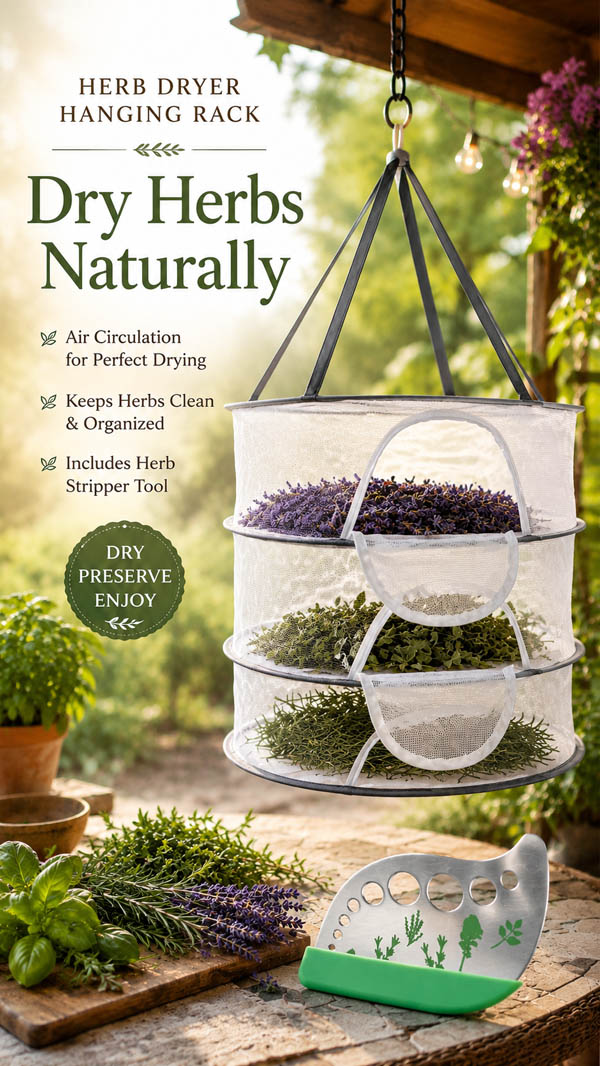
Mugwort can be dried in small bundles or laid flat on a screen, rack, or clean towel. The key is airflow. Do not pack stems tightly or pile leaves into thick layers. Crowded herbs trap moisture, and trapped moisture invites mold.
Simple Air-Drying Method
- Gather clean mugwort stems. Use healthy upper stems and leaves from a safe, unsprayed source.
- Tie small, loose bundles. Leave room for airflow.
- Hang upside down. Choose a dry, airy place away from harsh sunlight.
- Avoid humid rooms. Skip damp bathrooms, steamy kitchens, and closed spaces with poor airflow.
- Check every few days. Look for crisping leaves, dry stems, and any signs of mold.
- Strip leaves when fully dry. Remove leaves from tougher stems if desired.
- Discard anything musty. If it smells off, looks fuzzy, or feels damp, do not store it.
Once dry, you can leave some pieces larger for altar bowls or crumble leaves more finely for future sachets. Drying mugwort is not glamorous work, but it is part of the magic. It asks you to slow down, check carefully, and respect the plant beyond the moment of harvest.

How to Tell When Mugwort Is Fully Dry
Mugwort should be completely dry before it goes into a jar, pouch, or storage bag. If there is any doubt, dry it longer. Patience now prevents mold later.
Fully dried mugwort leaves should feel crisp rather than soft or cool. They may crumble when rubbed between your fingers. Thicker stems should snap or feel dry all the way through. If stems bend easily and feel damp inside, they need more time.
Smell is another clue. Properly dried mugwort should smell herbal and aromatic, not sour, stale, or musty. You can also do a simple jar test: place a small amount in a clean glass jar for a day or two, then check for condensation. If moisture appears, remove the herb and continue drying.
Never rush mugwort into storage because you are eager to finish the process. A fully dry herb keeps better, smells cleaner, and feels much more trustworthy when you reach for it later.

How to Store Dried Mugwort
Once fully dry, knowing how to store mugwort properly helps prevent mold, fading, and confusion. Dried herbs can look similar once crumbled, so labeling matters. A mystery jar might feel charming in an old apothecary illustration, but in a real Green Witch cabinet, mystery herbs are not the goal.
Use clean, completely dry glass jars, paper bags, or clearly labeled herb envelopes. Glass jars protect the herb from dust and make it easy to see what is inside. Paper bags can work for short-term storage if the space is dry and the herb is fully cured.
Label the container with the plant name, botanical name if known, harvest date, source, and intended use. This is especially important if you also keep culinary herbs at home. Mugwort should be stored separately from cooking herbs so it is not mistaken for something meant for food.
Mugwort, Artemisia vulgaris
Harvested: Month/Year
Source: Garden pot / trusted supplier
Use: Magical use only, external/symbolic
Store dried mugwort away from heat, direct sunlight, moisture, pets, and children. Do not keep mugwort that is moldy, damp, musty, unidentified, or gathered from a questionable location. Refresh your dried mugwort yearly, or sooner if the scent fades, the color dulls, or the herb no longer feels pleasant to work with.

Preparing Dried Mugwort for Magical Use
Preparing dried mugwort for magical use is less about complexity and more about intention. Once the herb is dry and labeled, decide how you want to keep it available for future practice.
You may crumble some dried leaves into smaller pieces for future sachets or charm bags. Keep larger pieces for altar bowls, seasonal displays, or symbolic offerings. If you saved a beautiful leaf while harvesting, you might press it into a grimoire with the date, moon phase, weather, and a few notes about the plant’s growth.
Some Green Witches reserve a small jar of mugwort for moon work or divination spaces. If you do this, label it clearly and keep it separate from general dried herb storage. You might also use a dedicated spoon, scoop, or small bowl when handling mugwort so the practice feels intentional and clean.
Dried mugwort can later be used in dream sachets, altar bowls, divination preparation, protection sachets, or seasonal rituals, but this article will not turn those into full recipes. For dream-focused practice, visit the guide to mugwort dreamwork for Green Witches. For threshold and boundary work, save dried mugwort for a separate guide to mugwort protection magic.
Before putting mugwort away, pause for a breath, a word of thanks, or a quiet intention. The jar on the shelf now holds more than leaves. It holds season, care, patience, and relationship.

Common Mistakes When Growing or Drying Mugwort
Mugwort is not difficult to work with, but most problems happen when gardeners treat it like a mild culinary herb instead of a vigorous perennial with wandering roots.
- Planting mugwort directly into open garden beds: Open soil is not the best choice for most home gardens.
- Underestimating the rhizomes: Mugwort travels underground, and broken root pieces may regrow.
- Harvesting from roadsides or sprayed areas: Avoid traffic, runoff, industrial sites, drainage ditches, and treated areas.
- Harvesting more than you need: A small jar can last a long time for magical use.
- Drying in humid spaces: Damp rooms slow drying and increase mold risk.
- Storing mugwort before it is fully dry: If leaves feel cool, soft, or flexible, dry them longer.
- Forgetting to label the jar: Include plant name, date, source, and intended use.
- Mixing mugwort with culinary herbs: Store it separately so it is not mistaken for food or tea.
- Composting roots or seedheads: Avoid this if you are trying to prevent spread.
- Using mugwort internally without qualified guidance: This guide focuses on external and symbolic magical use only.
Growing mugwort well is about respecting the plant enough to give it structure, clean handling, and clear purpose.

FAQ About Growing, Harvesting, Drying, and Storing Mugwort
Is mugwort easy to grow?
Yes, often too easy. Because mugwort can spread through underground rhizomes and become difficult to control, container growing is usually best for home gardeners.
Can I grow mugwort in a pot?
Yes. A pot is usually the most responsible approach for a small garden, patio, balcony, or magical herb collection. Choose a large container with drainage holes, place it on a hard surface when possible, and trim regularly.
When should I harvest mugwort?
Harvest healthy leaves and upper stems before or around early flowering. Choose a dry morning after the dew has evaporated, and avoid damp, damaged, dusty, diseased, or sprayed plant material.
Can I harvest wild mugwort?
Only if you can identify it confidently, have permission, and know the area is clean, legal, and unsprayed. Avoid roadsides, polluted lots, drainage areas, industrial edges, and treated sites.
How long does dried mugwort last?
For magical use, many practitioners refresh dried mugwort yearly or when scent, color, or quality fades. Discard anything musty, moldy, or damp.
Can I compost mugwort roots?
Avoid composting roots, rhizomes, or seedheads if you are trying to prevent spread. Follow local guidance for disposal.
Can I use dried mugwort for tea?
This article does not recommend mugwort tea or internal use. Keep dried mugwort for external, symbolic, and magical practices only unless you are working with a qualified professional.

Final Thoughts: Grow Mugwort With Boundaries
Mugwort is a powerful plant ally, but it asks for practical respect. In magical practice, it may feel mysterious, lunar, and deeply tied to thresholds. In the garden, it is vigorous, persistent, and very capable of claiming more space than you intended. Both truths matter.
Growing mugwort well means containing it well. Choose a pot when possible, harvest modestly, dry the herb thoroughly, label every jar clearly, and store it with intention. These small acts are not separate from the magic. They are the magic made visible through care.
A Green Witch path honors relationship, but relationship includes responsibility. When you grow mugwort with boundaries, you are not limiting its power. You are creating a respectful place for that power to live.
Mugwort may belong to moonlit thresholds and dream gates, but in the garden, it still needs a pot, a label, and a watchful hand.