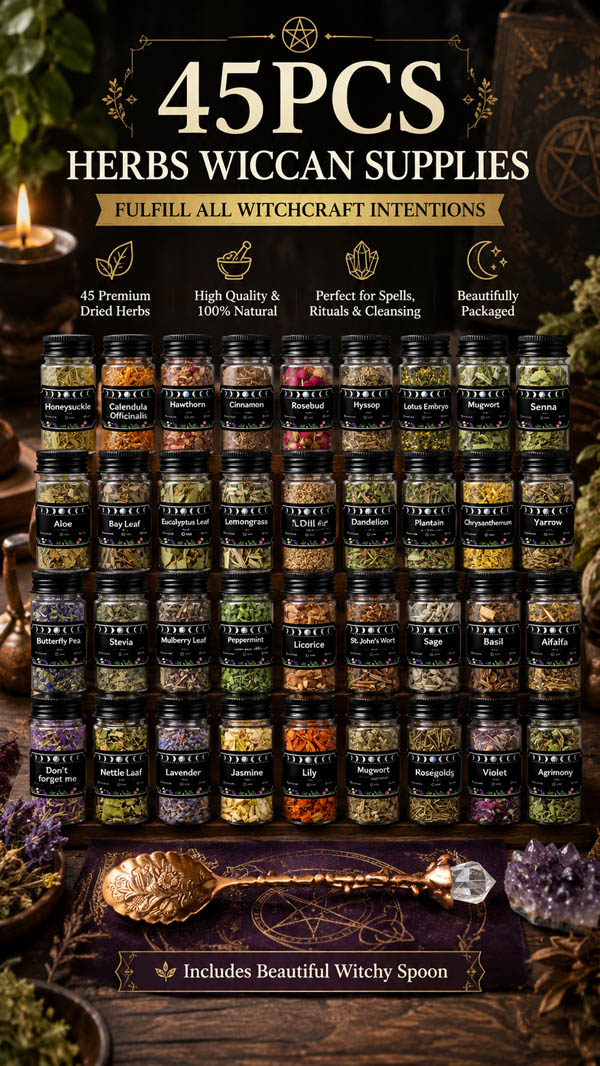
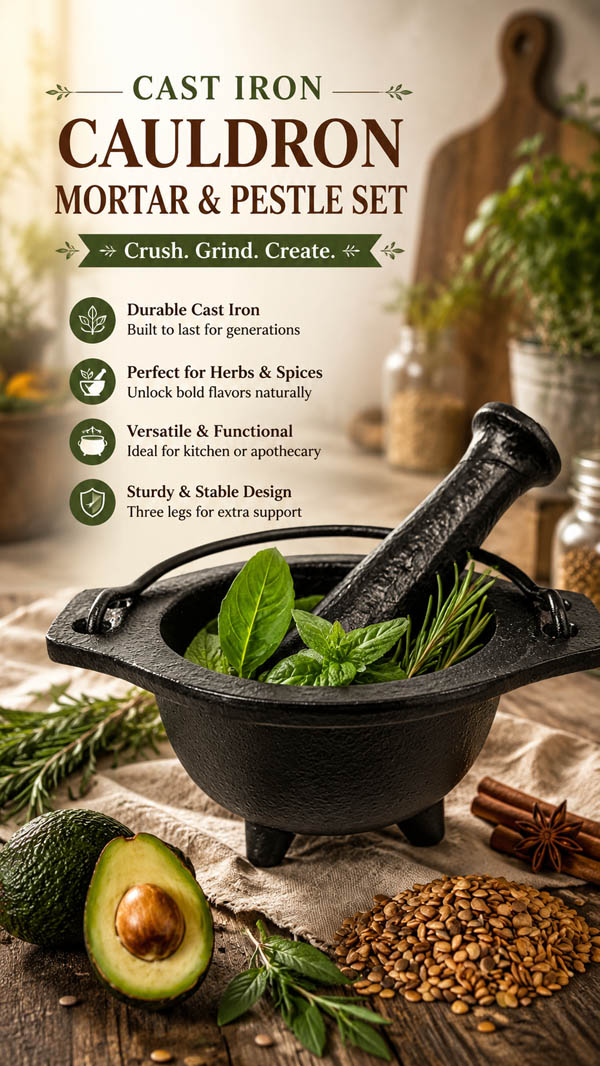
There is something quietly beautiful about opening a cupboard and finding little jars of rosemary, lavender, chamomile, sage, and calendula waiting inside.
Not because you need dozens of herbs to practice Green Witchcraft, but because over time those jars can become familiar companions. You begin to know which herb you reach for when the house feels heavy, which one belongs beside your journal when you need clarity, and which fragrant leaves find their way into both dinner and ritual.
The most useful essential herbs for a Green Witch apothecary are often the plants that move easily between ordinary life and sacred practice. They may grow beside your kitchen door, dry from a beam in the pantry, simmer in a pot, rest on an altar, season a meal, or become part of a simple seasonal ritual.
That is what makes a Green Witch apothecary feel different from a shelf of ingredients. It becomes part garden, part pantry, part sacred space, and part relationship with the living world.
A meaningful apothecary is not measured by how many jars you own, but by how well you know the plants inside them.
If you are just beginning, you certainly do not need all ten herbs at once. Choose three or four that feel useful in your everyday life. Grow them if you can. Cook with them. Smell them. Learn their seasons and notice how the plants change from month to month.
Your apothecary can grow slowly, right alongside you.
What Is a Green Witch Apothecary?
A Green Witch apothecary is a collection of herbs and botanical materials kept for practical, spiritual, culinary, seasonal, and creative use.
For one witch, that might mean a cabinet filled with carefully labeled dried herbs. For another, it may be three herb pots growing on a sunny windowsill beside a basket containing candles, garden scissors, a mortar and pestle, and a few handmade sachets.
There is no required inventory.
Green Witchcraft is rooted more deeply in our relationship with nature than in the ownership of magical objects. The plants themselves, and the time we spend learning them, matter far more than how impressive the collection looks.
If you have room to grow herbs, creating even a small garden devoted to your Green Witch practice can make your apothecary especially personal. A plant you have watched move from seedling to harvest carries memories that a packet arriving in the mail simply cannot.
Instead of asking, “Which herbs am I supposed to own?” try asking, “Which plants would actually become part of my life?” That question will usually lead you toward a much more useful apothecary.
Before Filling Your Apothecary Shelves
One of the easiest mistakes when beginning an herbal practice is assuming that because something is natural, every preparation of it is automatically gentle.
A fresh basil leaf, dried basil tea, concentrated extract, and basil essential oil are not the same thing. The same is true for nearly every herb in this guide.
Traditional herbal use, culinary use, aromatherapy, magical correspondences, essential oils, and concentrated supplements all have different considerations. Herbs can sometimes interact with medications or may not be appropriate during pregnancy, breastfeeding, childhood, or certain health conditions.
The National Center for Complementary and Integrative Health maintains a useful Herbs at a Glance reference for learning more about commonly used botanicals and their safety considerations.
For a home Green Witch apothecary, there is nothing wrong with keeping things simple. Grow culinary herbs, dry flowers for sachets and altar bowls, make wreaths, create seasonal decorations, or use familiar herbs symbolically in rituals.
Magic does not become more meaningful simply because something is swallowed, burned, or concentrated.

The Five Elements in a Green Witch Apothecary
I love thinking of an apothecary through the Five Elements because it keeps herbal practice connected to something larger than a neat row of labeled jars.
Earth
Earth lives in the soil that grew your herbs, the roots beneath the garden, the clay pot holding your rosemary, and the physical plant material you gather. Every magical herb begins with something wonderfully ordinary: seed, root, rain, sunlight, and time.
If Earth is central to your practice, you may enjoy exploring the grounding presence of the Earth element more deeply.
Water
Water appears when herbs are watered, steeped, washed, floated in ritual bowls, or added to gentle baths. Within spiritual practice, Water often carries themes of emotion, intuition, healing, and flow.
Fire
Fire transforms. It warms the kettle, helps dry herbs beneath the summer sun, releases fragrance from a simmer pot, and brings candlelight to the botanical altar.
Air
Air carries fragrance. Crush rosemary between your fingertips or brush past lavender on a warm afternoon and you immediately understand why aromatic plants have been intertwined with memory, prayer, ritual, and atmosphere for generations.
Spirit
Spirit is found in the awareness you bring to the practice. It can be the pause before harvesting, the gratitude after watering, or the moment you recognize an herb by scent before you even see it.
For those who enjoy the more intuitive side of plant work, plant-centered intuitive practice offers another way to explore that connection.

1. Rosemary: The Herb of Remembrance
Salvia rosmarinus, long known as Rosmarinus officinalis, is one of the first herbs I would choose if I were building a Green Witch apothecary from nothing.
Rosemary is wonderfully practical. It belongs in the garden, the kitchen, and the magical cupboard, and its sharp resinous fragrance makes even the simple act of brushing against the plant feel a little ceremonial.
Within folklore and magical traditions, rosemary has gathered associations with remembrance, loyalty, protection, purification, and mental clarity.
It can be a beautiful herb to include when:
- honoring ancestors or loved ones,
- refreshing the atmosphere of a room,
- creating remembrance altars,
- working with intentions involving clarity or focus,
- marking transitions or new beginnings,
- or simply bringing fragrant greenery indoors.
A sprig can rest beside a photograph on an ancestor altar. Dried leaves can be tucked into a protective sachet. Fresh rosemary can become part of a seasonal wreath or travel into the kitchen, where its magic becomes wonderfully ordinary again.
There is something deeply Green Witch about using the same herb at your stove that you might later place beside a candle.
Growing Rosemary
Rosemary generally prefers generous sunlight and sharply draining soil. Once established, it usually appreciates being allowed to dry somewhat between waterings rather than remaining constantly wet. Light, regular harvesting can also encourage fuller growth.
If rosemary becomes one of your favorite garden companions, I have an entire guide devoted to why this fragrant evergreen deserves a place in the garden.

2. Lavender: The Herb of Peace
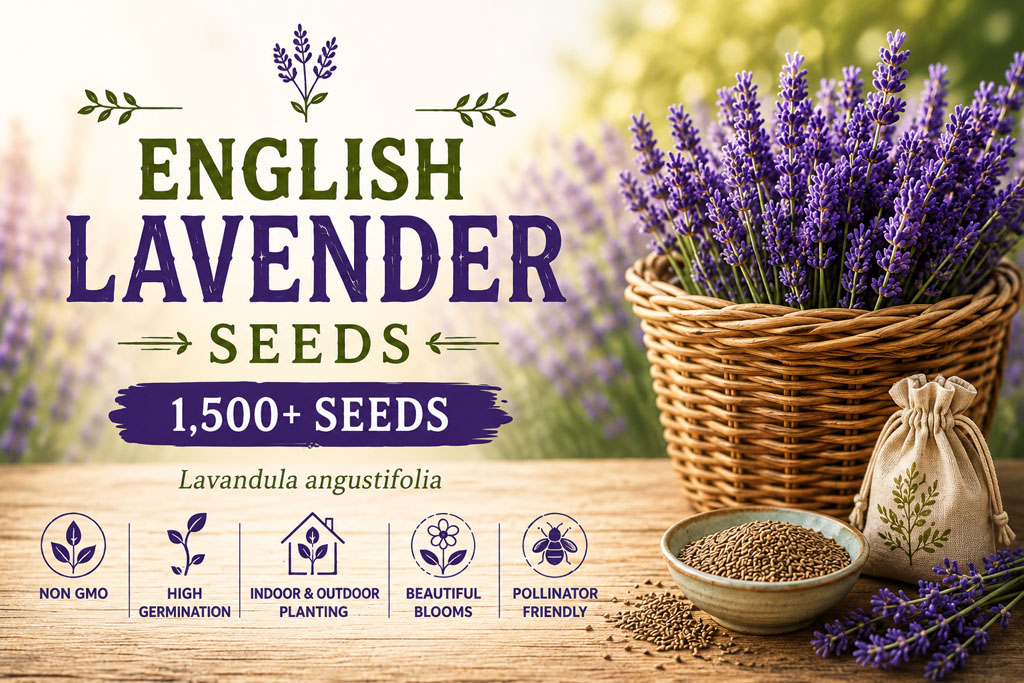
Lavender feels almost made for the Green Witch apothecary.
Its flowers are beautiful fresh or dried, its fragrance remains long after harvesting, and pollinators adore it in bloom. Across folklore and modern magical practice, lavender has gathered associations involving peace, purification, love, protection, rest, and gentle spiritual awareness.
I especially love lavender because it does not need to announce itself loudly. Sometimes a small dish of dried buds beside the bed or a handful of flowers tucked into a sachet is enough.
Lavender may be incorporated into:
- dream pillows,
- herbal sachets,
- seasonal altar bowls,
- handmade wreaths,
- bath rituals,
- journaling spaces,
- or evening rituals centered on quiet and reflection.
Rather than thinking of lavender as something that must create a particular magical outcome, I prefer to let its fragrance, color, and familiar associations help set the atmosphere for peace and contemplation.

Growing Lavender
Lavender loves sunlight and excellent drainage. Heavy, persistently wet soil tends to cause more trouble than lean soil does. Once you understand that lavender often prefers a little benign neglect over constant fussing, the plant becomes much easier to read.
There is far more symbolism surrounding lavender than we can explore here without wandering away from our apothecary shelves. If it becomes one of your personal plant allies, you can explore its deeper folklore and magical associations separately.

3. Sage: The Herb of Wisdom and Clearing
Common garden sage, Salvia officinalis, is another herb that naturally bridges kitchen and craft.
Its velvety silver-green leaves are unmistakable once you know them, and its long relationship with cooking, household herb gardens, folklore, and traditional botanical practice gives sage a well-earned place among essential Green Witch herbs.
Magically, common sage is often associated with wisdom, protection, longevity, clarity, and cleansing.
You might use dried sage leaves in:
- protective herb jars,
- sachets,
- altar arrangements,
- seasonal wreaths,
- ritual bowls,
- or intention work centered on releasing what no longer belongs.
Smoke is not required for cleansing work. You can place sage in a bowl, hang a bundle above a doorway, combine it with sound or water, or simply use the plant symbolically within your ritual.
Common culinary sage, Salvia officinalis, is not the same plant as white sage, Salvia apiana. Growing familiar garden sage at home is a beautiful way to build a personal plant practice without treating every cleansing tradition as interchangeable.

Growing Sage
Common sage appreciates sunlight, good air circulation, and soil that does not remain waterlogged. Once established, it can become a handsome little perennial shrub in suitable climates.
If you find yourself drawn toward this plant, you can continue with my deeper exploration of sage as both a garden plant and Green Witch companion.

4. Chamomile: The Herb of Comfort
Chamomile brings an entirely different feeling to the apothecary. Where rosemary feels upright and alert, chamomile feels soft.
Its tiny daisy-like flowers have a sunny quality that makes them lovely for practices involving comfort, peace, emotional gentleness, luck, abundance, and rest.
Dried chamomile flowers are especially beautiful stored whole in transparent jars where you can still see the flower heads rather than reducing the herb to an anonymous powder. There is something nice about being able to recognize the plant you are working with.
Chamomile can find a place in:
- evening tea rituals when chamomile is appropriate for you,
- dream or comfort sachets,
- altar bowls,
- bath blends,
- prosperity-themed workings,
- or gentle rituals after emotionally demanding days.
I especially like chamomile for rituals that are not trying to fix anything. Sometimes the intention can simply be comfort, rest, or creating a softer ending to the day.
Growing Chamomile
Chamomile is charming in an informal herb garden, cottage garden, or pollinator-friendly planting. Depending on the species you choose, it may behave as an annual or perennial.
Harvesting the flower heads as they open can provide a steady supply for drying while also encouraging you to visit the plant regularly throughout its blooming season.

5. Peppermint: The Herb of Fresh Energy
Peppermint, Mentha × piperita, arrives in the apothecary with considerably more enthusiasm. Crush one leaf and suddenly the entire room knows about it.
Its unmistakable scent makes peppermint a natural choice for symbolic work involving alertness, movement, renewal, communication, abundance, and clearing a stale atmosphere.
I think of peppermint as an excellent “open the windows” herb. It suits mornings when thoughts feel foggy, creative spaces that need refreshing, or simple rituals marking a return to movement after a sluggish season.
Peppermint can be incorporated into:
- refreshing sachets,
- seasonal simmer pots,
- herbal foot baths,
- prosperity bowls,
- tea when appropriate for you,
- or small bundles of fragrant greenery.
Its culinary usefulness also makes peppermint an approachable first apothecary herb. A plant does not have to be rare or exotic to feel magical.
Affliliate Link

Explore growing your own mint collection
Growing Peppermint
Mint has one memorable gardening rule: give it boundaries.
Peppermint spreads through underground runners and can enthusiastically claim more garden than you intended to offer. A large container is often the easiest solution. Keep it watered, harvest frequently, and let it live out its ambitions somewhere they can be politely contained.

6. Basil: The Herb of Prosperity
Basil reminds us that the Green Witch apothecary does not need to be separated from the kitchen. Some of the most meaningful herbal magic can happen while preparing an ordinary meal.
Basil has gathered associations with prosperity, love, protection, luck, harmony, and success across different strands of folklore and folk practice.
It feels especially well suited to intentions involving home and abundance because it can be such a generous plant when happy. Harvesting the growing tips regularly encourages branching, and a small basil plant can quickly become full and lush in warm weather.
Basil can become part of:
- meals prepared with intention,
- home blessing rituals,
- prosperity bowls,
- garden offerings,
- summer altar arrangements,
- or herbs gathered for seasonal celebrations.
A pot beside the kitchen door can be both practical and symbolic, something green, fragrant, edible, and alive growing at the threshold of the home.
Growing Basil
Basil generally enjoys warmth, sunlight, fertile soil, and consistent moisture. Pinching the growing tips encourages branching, while removing flower buds can keep culinary plants producing tender leaves longer.
I tend to think of basil as a small expression of the Fire element. It loves summer warmth and seems determined to squeeze everything it can from the bright half of the year.

7. Thyme: The Herb of Courage
Thyme is small enough to be underestimated, which may be one reason I like it.
Its tiny leaves carry a surprisingly strong fragrance, and historically thyme has collected associations with courage, purification, vitality, protection, and strength.
For a Green Witch apothecary, thyme is particularly useful because it does not require elaborate ritual treatment. Add a few stems to a wreath. Keep dried thyme in a protection jar. Use it while cooking a meal for someone you love. Place a small sprig on an altar when you are gathering the courage to begin something difficult.
Thyme works beautifully in:
- courage or confidence sachets,
- protective herb blends,
- seasonal wreaths,
- kitchen witchery,
- threshold decorations,
- and rituals focused on endurance.
Those quiet uses can feel every bit as meaningful as complicated spellwork.
Growing Thyme
Like many Mediterranean herbs, thyme generally appreciates sunlight and free-draining soil. It can be surprisingly resilient once established, making it a satisfying choice for sunny herb beds, containers, and stone-edged garden spaces.
Harvest gently rather than stripping a plant bare, leaving enough growth for the thyme to continue doing what it does best.

8. Mugwort: The Herb of the Threshold
Mugwort, Artemisia vulgaris, has a distinctly different personality from the sweeter herbs on this list.
Its long folkloric relationship with dreams, intuition, divination, thresholds, travel, protection, and liminal spaces has made it a familiar plant within many modern magical practices.
For me, mugwort belongs in the category of herbs to approach slowly and thoughtfully. You do not need to immediately drink it, burn it, or do anything dramatic with it. You can begin by simply learning the plant.
Observe its silvery leaf undersides. Learn its scent. Read its history. Keep a small amount in a clearly labeled jar, add it symbolically to an altar, or place it near the journal where you record dreams and intuitive impressions.
Mugwort may be included in:
- dream-related altar work,
- divination spaces,
- protective sachets,
- seasonal rituals involving thresholds or change,
- or symbolic practices centered on intuition.
Mugwort deserves extra caution when considering internal or topical use. The National Center for Complementary and Integrative Health advises against mugwort use during pregnancy and notes that information about the safety of oral and topical use is limited. A symbolic ritual use is still a ritual use. There is no need to ingest an herb simply because it appears in magical folklore.

Growing Mugwort
Mugwort can be vigorous and may spread readily where conditions suit it. If you decide to grow it, learn how it behaves in your region before releasing it into an open garden bed. Containers or carefully managed spaces may make more sense.
If mugwort becomes part of your herbal practice, my guide to growing and preserving mugwort for magical use goes much deeper into caring for the plant and preparing a harvest.

9. Calendula: The Herb of Warmth and Renewal
Calendula, Calendula officinalis, looks like a small piece of sunshine landed in the herb garden.
Its yellow and orange flowers bring visual warmth to an apothecary shelf, especially when the petals retain their color after drying. Magically, calendula is often associated with protection, joy, warmth, love, renewal, confidence, and solar energy.
It is one of my favorite plants for rituals centered on returning to yourself after a difficult season. The intention does not need to be enormous or theatrical. Sometimes a little brightness returning is enough.
Calendula flowers can become part of:
- sun-themed altar bowls,
- summer wreaths,
- ritual baths when appropriate for your skin,
- handmade botanical decorations,
- confidence or renewal sachets,
- or offerings of gratitude from the garden.
Calendula also has a long history of traditional herbal use. If you explore homemade topical or internal preparations, take the time to learn proper identification, preparation methods, and individual safety considerations rather than assuming every homemade infusion is appropriate for everyone.

Growing Calendula
Calendula is delightfully generous. Give it sunlight, reasonable soil, and regular flower harvesting, and it can continue producing cheerful blooms for a surprisingly long season in suitable weather.
Allow a few flowers to mature completely and you may also gather seed for the next generation. Saving seed gives your apothecary a lovely sense of continuity from one gardening season into the next.

10. Lemon Balm: The Herb of Gladness
Lemon balm, Melissa officinalis, smells as though sunlight and lemons somehow agreed to become a leaf.
It is fresh without the sharp intensity of peppermint and soft without carrying quite the same sleepy association as lavender.
Within traditional and modern magical practice, lemon balm often appears in work involving joy, friendship, love, emotional renewal, peace, and gentle abundance.
I especially like it for practices centered on returning a little lightness to ordinary life. Green Witchcraft can involve protection, cleansing, shadow work, divination, and transformation, but joy belongs in sacred practice too.
Lemon balm may be included in:
- joy-themed sachets,
- summer drinks or teas when appropriate,
- herbal bath blends,
- friendship or household blessings,
- garden meditation,
- or altar arrangements celebrating renewal.
Growing Lemon Balm
Lemon balm belongs to the mint family, and it occasionally likes to remind gardeners of that fact. It can spread through seed and may become quite generous in favorable conditions.
Regular harvesting and removing flowers before they set seed can help keep plants manageable. Containers are also useful if you prefer to keep its enthusiasm within clearly negotiated borders.
How to Choose Your First Apothecary Herbs
If you finish this list feeling as though you need to order ten packets of dried plants immediately, you can release that idea.
Choose according to the life you actually live.
If you cook frequently, rosemary, basil, thyme, and sage may naturally earn their place first. If you are drawn toward evening rituals and quiet spaces, lavender, chamomile, and lemon balm may feel more useful. If gardening is the heart of your practice, begin with plants that genuinely thrive in your climate rather than trying to recreate someone else's apothecary shelf.
- One culinary herb you will use regularly.
- One aromatic herb that changes the feeling of a space.
- One plant you simply want to know better.
Three herbs are enough to begin. There will always be another growing season.
Growing and Harvesting Herbs for Your Apothecary
Growing an herb changes the way you understand it.
You learn that lavender dislikes wet feet, mint has little respect for property lines, basil complains when temperatures drop, and rosemary can look nearly indestructible until a poorly drained winter proves otherwise.
The plant stops being an ingredient and starts feeling more like a neighbor.
Growing your own herbs also lets you watch their seasonal rhythm: spring shoots emerging, flowers opening in summer, pollinators arriving for nectar, seeds ripening, and perennial plants beginning to withdraw toward winter.
If your practice follows seasonal cycles, you may enjoy letting your herb garden move alongside the turning Wheel of the Year instead of expecting it to remain permanently productive. A witch's garden is allowed to sleep.

Harvest With Enough Left Behind
Harvesting is also where practical gardening and spiritual intention meet.
When gathering from healthy plants in your own garden, take modest amounts and leave plenty of foliage for continued growth. Avoid harvesting stressed, diseased, chemically treated, or incorrectly identified plants.
Wild harvesting requires even more care. Learn local regulations, identify plants with certainty, and understand whether the species is plentiful or vulnerable in your area. A plant growing in the wild is not automatically an invitation to harvest it.
That restraint is an important part of practicing Green Witchcraft sustainably.
When you are ready to preserve what you have grown, my guide to harvesting, drying, and storing magical herbs explores the process in much greater detail.
How to Store a Green Witch Apothecary
A beautiful apothecary should also be a practical one.
Dried herbs generally benefit from protection from excess light, moisture, heat, pests, and household humidity. Clean jars with secure lids work well, and labels become more valuable than you think they will.
Even when you are absolutely certain you will remember what is inside a jar, future you may eventually find herself holding two suspiciously similar bundles of dried green leaves and questioning every decision that led to that moment.
A Useful Apothecary Label Can Include:
- common plant name,
- botanical name when known,
- plant part,
- harvest or purchase date,
- where it came from,
- and whether it is intended for culinary, ritual, or another use.
I also prefer keeping herbs intended only for ritual crafts clearly distinguished from anything that might find its way into food or tea.
Pretty labels are lovely. Accurate labels are better.

Let Your Apothecary Stay Simple and Seasonal
Green Witchcraft can become surprisingly un-green when we feel pressured to buy every herb, crystal, candle, jar, cauldron, bottle, bundle, and mysterious wooden object that appears on our screens.
Your apothecary does not need to resemble a fantasy potion shop for it to be meaningful.
Reuse food jars. Grow herbs from seed. Trade cuttings with friends. Dry the rosemary you already prune. Save calendula seed. Use basil in tonight's dinner. Allow the collection to develop from your actual life rather than from a shopping list.
This also leaves room for regional plants. Your most meaningful herb may not appear on anybody's “top ten” list. It may be the aromatic native plant humming with bees in your garden, something growing near a family home, or a familiar plant you overlooked for years before finally learning its name.
Your shelves can change with the seasons too. Spring may bring chamomile seedlings and new growth. Summer fills baskets with basil, lavender, mint, and calendula. Autumn becomes a season of drying, labeling, and seed saving. Winter gives you time to actually use what the garden produced.
The apothecary breathes with the garden rather than remaining frozen in one perfect arrangement.
Simple Ways to Use Apothecary Herbs in Green Witchcraft
You do not need a complicated spell every time you open an herb jar. Some of the easiest ways to work with these plants are simply to weave them into things you already do.
- Place rosemary beside photographs during remembrance.
- Add lavender to an evening altar when you want the space to feel peaceful.
- Keep thyme nearby when preparing for something that requires courage.
- Place calendula on a seasonal altar during sunny months.
- Cook with basil while reflecting on abundance already present in your life.
- Keep mugwort beside your dream journal as a symbol of intuition.
- Brush your hands gently through lemon balm before sitting quietly in the garden.
- Use peppermint when refreshing a room or workspace.
- Scatter dried chamomile flowers in a small bowl during a ritual centered on comfort.
- Hang garden sage near a doorway as a symbol of wisdom and protection.
Practices like these can also become part of the small rituals woven through an ordinary day.
During lunar work, familiar apothecary herbs may take on different roles according to your intention. If you enjoy working with lunar cycles, my guide to choosing herbs for new moon rituals offers another way to explore these plants without assigning each one a single fixed magical purpose.

Your Apothecary Is a Living Practice
Rosemary, lavender, sage, chamomile, peppermint, basil, thyme, mugwort, calendula, and lemon balm make a wonderfully versatile beginning, but they are not commandments.
The heart of a Green Witch apothecary is not having the “correct” herbs lined up in matching amber bottles. It is learning to notice what grows around you and what genuinely becomes useful in your life.
Which plants thrive where you live? Which herbs do you find yourself reaching for? Which fragrance instantly brings you back into the present moment? Which plant draws bees into the garden or reminds you of someone you love?
Those questions can tell you far more about the apothecary you need than a shopping list ever could.
The plants on your shelf are not separate from the garden outside your door. They are the garden remembered, gathered, and carried with you.
Grow what you can and source thoughtfully when you cannot. Learn the practical qualities of each plant alongside its folklore and symbolism. Leave room for science where health is concerned and mystery where mystery belongs.
Most importantly, allow your collection of essential herbs for a Green Witch apothecary to remain something living rather than something you are trying to finish.
Because there will always be another plant to notice, another season to learn from, and another little green lesson waiting just outside the door.