12 Inspiring Reasons to Grow Rosemary in Your Backyard
Brush against rosemary on a warm afternoon and the whole plant seems to answer. Its resinous, pine-like fragrance rises from the leaves, clings to your fingers and follows you back into the kitchen.
That small moment is one of the loveliest reasons to grow rosemary in your backyard. Rosemary is useful, certainly, but it is also reassuring. It stays green when much of the garden looks tired. It asks for sensible boundaries rather than constant attention. And when life feels scattered, one familiar scent can bring you back to the patch of earth directly beneath your feet.
Known botanically as Salvia rosmarinus and formerly as Rosmarinus officinalis, rosemary can offer food, fragrance, flowers for visiting pollinators, material for Green Witch practice and a living symbol of remembrance. It can grow in a backyard bed, beside a sunny path or in a pot carried indoors before winter.
Quick answer: Rosemary earns its place because it is evergreen in suitable climates, drought-tolerant once established, flavorful, fragrant, attractive to pollinators when allowed to bloom and rich in symbolism. Give it abundant sun, sharply draining soil and less water than your thirstier herbs. In cold climates, grow it as an annual or keep it in a movable container.
Before You Plant: Meet Rosemary as It Really Is
Rosemary is a woody, evergreen member of the mint family. You may still see its former botanical name, Rosmarinus officinalis, on plant tags and in older herb books, but Salvia rosmarinus is now the accepted name used by Kew Science. The change does not mean your old gardening books are useless. It simply places rosemary among its close sage relatives.
Its Mediterranean nature explains almost everything it wants from a gardener: bright light, moving air, lean soil and excellent drainage. What rosemary dislikes most is not neglect but lingering wetness around its roots. If you remember that, you have already avoided the most common mistake.
Rosemary is generally winter hardy in USDA Zones 8–10, although survival depends on cultivar, exposure, soil drainage and the severity of a particular winter. Gardeners in colder regions can still enjoy it beautifully in pots or as a warm-season plant. “Backyard” does not have to mean planted permanently in the ground.

12 Reasons to Grow Rosemary in Your Backyard
1. It Gives More Than It Asks
Some plants need regular coaxing. Rosemary prefers a clear agreement: give it sun, drainage and room for air to move, then resist the urge to fuss over it.
Once established in a suitable climate, a rosemary shrub can provide years of fragrant clippings without demanding rich soil or frequent watering. This makes it especially appealing if you want a garden that feels generous but not exhausting. A useful garden should support your life, not become another source of guilt.
There is a quiet Green Witch lesson here. Care is not always measured by how often we intervene. Sometimes good tending means learning when to step back.
2. Its Evergreen Presence Adds Structure Through Lean Seasons
Where rosemary is hardy, its narrow green leaves remain after annual herbs have gone to seed and many perennials have retreated underground. The shrub gives a garden shape in winter, catching rain, low sunlight and the occasional strand of spider silk.
That constancy can feel meaningful during seasons when you are tired, grieving or waiting for life to change. Rosemary does not promise that hard things will pass quickly. It offers a humbler image: life can remain present even when it is not flowering.
Some plants comfort us by blooming. Rosemary often comforts us simply by remaining.

3. It Fits Beds, Borders, Paths and Containers
Not every gardener has room for a dedicated herb garden. Rosemary can tuck into a sunny border, stand near a kitchen door, soften the edge of a gravel path or grow alone in a terracotta pot.
Upright cultivars can become handsome small shrubs or informal hedges. Trailing types spill over a wall or container edge. Compact cultivars suit smaller spaces. Check the mature height and width on the label before planting; “rosemary” can describe a plant that stays relatively low or one that eventually occupies several feet.
If you are building a larger nature-centered space, this guide to creating a Green Witch garden that works with your land can help you choose companions without asking one bed to satisfy every dream at once.
4. It Is Water-Wise Once Established
Rosemary is well suited to sunny gardens where water conservation matters. Established plants tolerate dry soil far better than waterlogged soil, and they usually need less supplemental watering than basil, parsley or mint.
“Drought-tolerant” does not mean “never water.” A new transplant still needs consistent attention while roots spread into the surrounding soil. A rosemary plant in a pot may also dry quickly during summer heat. Feel beneath the surface rather than watering by habit, and let the soil begin to dry before soaking it again.
This kind of observation is more useful than a rigid calendar. The plant, pot, weather and soil all participate in the answer.

5. Fresh Rosemary Makes Ordinary Food Feel Gathered
A potato becomes more interesting when its seasoning came from three steps beyond the door. Fresh rosemary can flavor roasted vegetables, white beans, breads, soups, marinades, focaccia and herbal salts. A small amount has a strong voice, so begin lightly and taste as you go.
The pleasure is not only culinary. Snipping a sprig slows the moment between deciding to cook and beginning. You notice the weather. You check the plant. You smell the leaves. A routine meal acquires a small thread connecting soil, hand and table.
- Tuck a whole sprig beside roasting vegetables, then remove the woody stem before serving.
- Finely chop tender leaves into bread dough or softened butter.
- Combine rosemary with lemon peel and coarse salt for a bright finishing blend.
- Add a sprig to beans or soup for flavor, then lift it out before eating.
Whatever you call it, attention can turn ordinary cooking into ritual. That is enough.
6. One Healthy Plant Can Fill the Drying Jar
Rosemary keeps much of its character after drying, which makes a productive summer plant useful well into winter. Harvesting your own also lets you see exactly how the herb was grown, when it was cut and how it was stored.
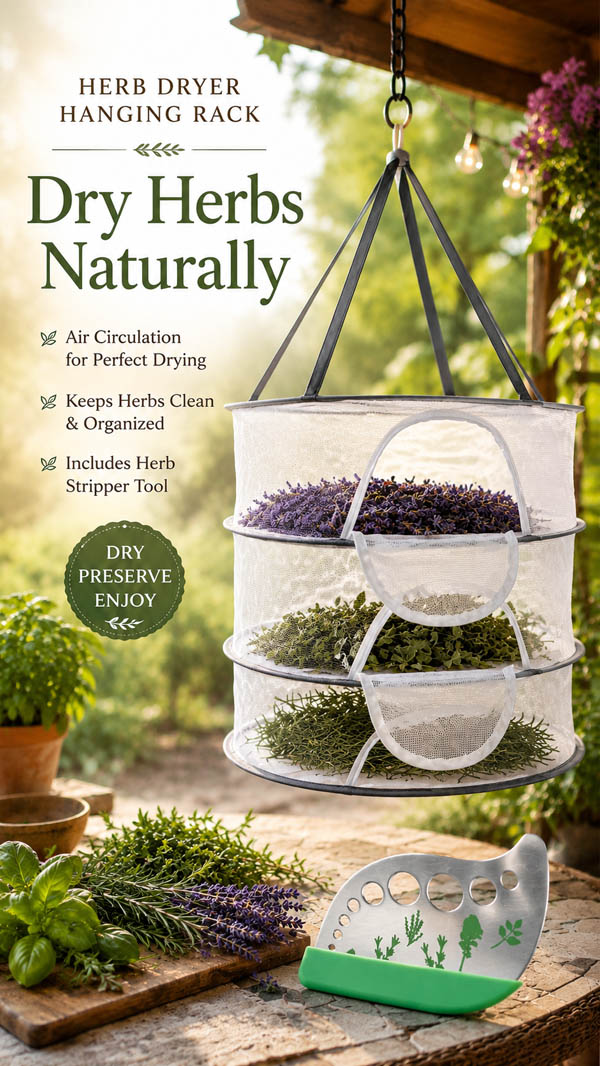
Take modest stem tips after the morning dew has dried. Gather small bundles rather than dense bunches and hang them in a dry, shaded place with good air circulation. When the leaves are crisp, strip them from the stems and store them in a labeled airtight jar away from heat and direct light.
For a complete process that keeps culinary and ritual herbs clean and usable, follow this step-by-step guide to harvesting, drying and storing herbs.

7. Its Flowers Feed More Than the Gardener
When rosemary blooms, its small blue, violet, pink or white flowers can provide nectar and pollen for bees and other visiting insects. The bloom season varies with climate and cultivar. In mild regions it may flower when the wider garden is offering relatively little; elsewhere, spring and summer flowering is more typical.
The important part is simple: let at least some stems flower. Constantly clipping every tip keeps the kitchen supplied but removes the part pollinators need.
Rosemary is not a substitute for locally native plants or a varied habitat. It is one useful layer. Pair it with a succession of regionally appropriate flowers, avoid spraying open blooms and allow a little shelter nearby. If you want to deepen that part of the garden, explore how to welcome bees as living neighbors rather than garden decorations.
That wider view—considering habitat, harvest and the lives affected by our choices—is also at the heart of a more sustainable relationship with Green Witchcraft.
8. Its Fragrance Can Bring You Back to the Present
On a difficult day, rosemary’s value can be entirely sensory.
Gently rub one fallen or freshly clipped leaf between your fingers. Notice the cool green sharpness, the resin, the faint bitterness beneath the familiar kitchen scent. Take one unforced breath. Look at the actual plant rather than the worry you carried outside.
A sensory pause cannot replace care for anxiety, grief or mental fog, but it can offer a brief act of orientation: here is the garden, here is your body, here is one living thing you can tend. Small, reliable moments are often easier to return to than elaborate wellness routines.

9. Rosemary Carries a Long Association with Remembrance
Rosemary has been connected with memory, constancy, weddings and funerals in European history and literature. In Shakespeare's Hamlet, Ophelia's “rosemary, that's for remembrance” reflects an association audiences of the period would have recognized. The New York Botanical Garden's rosemary history guide notes its use as a token at both weddings and funerals in Elizabethan life.
That pairing is more interesting than a simple correspondence chart. Weddings and funerals stand at opposite thresholds, yet both ask the living to remember: a promise, a person, a bond, a life.
You might grow rosemary for someone you miss, for a home you do not want to forget or for the self you are trying to find again. A memorial planting need not be public or grand. One pot near a chair can hold a private story.
10. It Has a Natural Place in Green Witch Practice
In folk magic and modern Green Witch practice, rosemary is commonly associated with cleansing, protection, remembrance, loyalty and mental clarity. Some practitioners experience the herb as a spiritual ally. Others work with it as a symbolic plant whose scent and history help focus attention. Both relationships can be sincere.
A garden-grown sprig may be placed on an altar, added to a seasonal wreath, carried during remembrance work or set beside a written intention. Rosemary is also used in some cleansing blends, but smoke is not required. If burning herbs is unsafe for your lungs, household or pets, place a fresh sprig in water, hang a small bundle near the door or use the living plant itself as the focus.
The richer question is why this particular plant belongs in this particular practice. A well-known correspondence becomes more personal when it grows from relationship rather than a list.
If you work with lunar cycles, rosemary can also accompany beginnings that need strong boundaries and a clear purpose. This guide to choosing herbs for new moon work places rosemary within a fuller lunar practice when that is where your intention leads.

11. It Is Easy to Share Through Cuttings
A mature rosemary plant can become several. Cuttings are generally faster and more dependable than starting rosemary from seed, which can germinate slowly and unevenly.
Choose a healthy, non-flowering green tip in spring or early summer. Cut a short length, remove the leaves from the lower portion and place the bare stem into a moist but well-draining propagation mix. Keep it in bright, indirect light while roots develop. Because not every cutting will root, begin with a few.
A rooted rosemary cutting makes a thoughtful housewarming, remembrance or friendship gift. It carries none of the pressure of a precious object. It simply asks for sun and a pot with a hole in the bottom.
12. Rosemary Teaches the Difference Between Care and Control
Rosemary often suffers from too much kindness: too much water, too much rich soil, too much hovering indoors. It thrives when care is matched to its nature rather than to our urge to prove we are caring.
That can feel personal. Many of us have lived through seasons when effort became over-effort—when we kept pouring energy into something because pausing felt like neglect. Rosemary offers a different pattern. Give what is needed. Leave breathing room. Pay attention to the response.
You may understand that as plant wisdom, spiritual teaching or simply good horticulture. The lesson works either way.
How to Grow Rosemary Without Guessing
Rosemary is low-maintenance only when it is planted in conditions that suit it. A struggling plant in a dim, soggy corner will require endless rescue. The right location does most of the work.
Give It Strong Sun and Fast Drainage
Choose a location with at least six hours of direct sunlight, preferably more. Rosemary grows best in well-drained soil and is a poor candidate for a low spot where rain collects.
If your soil is heavy clay, a raised bed or container may be kinder than trying to amend one small planting hole. Water can collect in the amended pocket and leave the roots wetter, not drier. In pots, use a free-draining mix and an unobstructed drainage hole. A layer of gravel at the bottom does not replace proper drainage.
The University of Minnesota Extension's herb-growing guidance recommends full sun, well-drained soil and avoiding overly rich or constantly wet conditions. Rosemary's flavor and fragrance do not require pampering with heavy fertilizer.

Water the Roots, Then Let Them Breathe
Water a new plant deeply enough to moisten its root zone, then check the soil before watering again. Established in-ground rosemary usually prefers the soil to begin drying between waterings. Containers need checking more often, especially during hot or windy weather.
Yellowing leaves, drooping growth and decline can be caused by wet roots as well as dry soil, so do not diagnose by appearance alone. Touch the soil. Check whether the drainage hole is blocked. Notice what the weather has been doing.
Prune Lightly and Regularly
Harvesting tender tips encourages branching and helps keep rosemary compact. Avoid cutting deeply into old, leafless wood unless you know your cultivar will resprout from it. A light shaping after flowering is safer than a severe haircut.
Do not remove more than the plant can comfortably replace, especially during its first season or just before cold weather. Reciprocity is practical: the healthiest harvest is one the plant barely notices.
Plan for Winter Before Winter Arrives
In Zones 8–10, rosemary is commonly grown outdoors year-round, though an exposed site, a poorly drained winter bed or an unusually hard freeze can still cause loss. Gardeners in colder climates have three realistic choices:
- Grow rosemary as an annual and begin again in spring.
- Keep it in a container that can move to a protected location.
- Root a few cuttings in late summer rather than wrestling a large shrub through the doorway.
Indoor rosemary needs very bright light, air circulation and cautious watering. A cool, sunny room is often easier than a warm, dim corner. Check plants before bringing them indoors so pests do not arrive with them.

A More Grounded Approach to Rosemary and Wellness
Rosemary has a long place in cooking and traditional herbal practice, and researchers continue to investigate its compounds. That history deserves respect, but it is easy for a traditional use or promising study to grow into an oversized online promise. A homemade tea, rinse, bath or infused oil should not be presented as a proven treatment for memory, circulation, hair loss, headaches or mood. Preparation, concentration, dose, health history and medication use all matter.
Keep the forms separate: Using correctly identified culinary rosemary in ordinary food amounts is different from taking a concentrated extract, supplement or essential oil. Essential oils can cause poisoning when misused, so do not swallow them. Follow product directions, dilute topical products as directed and keep concentrated oils away from children and pets. Ask a qualified clinician or pharmacist before medicinal use if you are pregnant, nursing, taking medication, preparing for surgery or managing a health condition.
The National Center for Complementary and Integrative Health cautions that herbal supplements can interact with medicines and may not have been tested in pregnant people, nursing parents or children. “Natural” describes a source; it does not establish a safe dose.
Clear boundaries make the plant easier to trust. They leave room to honor traditional practice and spiritual experience without turning either into medical certainty.

A Simple Rosemary Practice for a Scattered Day
This simple practice has no rigid script. It is merely a small way to meet the plant you are growing.
- Stand or sit near your rosemary and look for one detail you had not noticed before: a pale leaf underside, a new green tip, a flower or a woody bend in the stem.
- If the plant can spare it, clip one small sprig. Thank the plant in whatever way fits your beliefs.
- Hold the sprig and name one thing you wish to remember—not a task, but something that steadies you.
- Use the sprig in dinner, place it in a small vase or allow it to dry for your altar.
For one person, this may be communion with a plant spirit. For another, it may be a sensory pause with a beloved herb. There is room in the garden for both.

Frequently Asked Questions About Growing Rosemary
Does rosemary come back every year?
Rosemary is a perennial evergreen shrub, but it is reliably winter hardy only in warmer climates, generally USDA Zones 8–10. In colder regions, gardeners often grow it as an annual or overwinter it in a container indoors. Cultivar, drainage, exposure and local winter conditions all affect survival.
Can rosemary grow well in a pot?
Yes. A container is often the best choice in cold climates or heavy clay soil. Use a pot with a drainage hole, a free-draining mix and enough room for the root ball without surrounding a small plant with a huge volume of wet soil. Place it in your sunniest practical location.
What should not be planted with rosemary?
Avoid combining rosemary in the same small container with herbs that prefer consistently moist soil, such as basil or parsley. They can share a garden area if each has suitable soil and irrigation, but one watering routine will rarely please all of them. Plant companionship begins with compatible physical needs, not matching folklore.
Should I let my rosemary flower?
Yes, if the plant is healthy. The flowers are attractive to bees and other pollinators. You can continue taking modest culinary clippings while leaving plenty of flowering stems intact.
Is rosemary safe to burn for cleansing?
Any smoke can irritate lungs and affect indoor air quality. Avoid smoke if anyone in the household has asthma or respiratory sensitivity, and be cautious around children and animals. A living plant, a sprig in water or a small unsmoked bundle can carry the same spiritual meaning without combustion.
Is rosemary associated with remembrance or protection?
Rosemary has a well-documented historical association with remembrance, while protection and cleansing are common correspondences in folk magic and modern Green Witch practice. You may work with these meanings spiritually, symbolically or both. They describe cultural and magical relationships with the plant, not scientifically measurable effects.

Let Rosemary Be Useful—and Let It Be Enough
There are showier plants. There are sweeter herbs. There are flowers that make a garden announce itself from the street. Rosemary offers something quieter: a plant you can cook with, share, smell, remember beside and watch through changing weather.
If you have been craving a garden that feels more connected to daily life, begin there. Choose a sunny place. Make sure water can leave. Plant one rosemary and learn its particular shape.
Months from now, you may brush past it without thinking and carry its fragrance indoors on your sleeve. The garden will have found a way to follow you.