How to Grow Lavender in a Green Witch Garden: Planting, Care, and Garden Magic
Lavender moves differently in summer light. Its narrow silver-green leaves soften beneath the sun, purple flower spikes nod in warm air, and bees travel from bloom to bloom with the steady focus of creatures that know exactly where they belong. Brush a hand gently across the foliage, and the fragrance rises at once: clean, resinous, floral, and unmistakably alive.
Learning how to grow lavender begins with understanding what the plant loves most: sunlight, lean soil, open air, and room to breathe. Lavender may look delicate when covered in violet flowers, but it does not thrive through constant fussing. It prefers a gardener who notices carefully, waters thoughtfully, and understands that good care does not always mean giving more.
Native to dry, sunny parts of the Mediterranean region, lavender is a woody perennial herb shaped by warmth, stone, wind, and soil that releases water quickly. It can bring year-round structure to a garden bed, soften the edge of a path, flourish in a well-chosen container, and provide food for bees and other pollinators.
In a Green Witch garden, growing lavender creates a relationship that cannot be replicated by opening a jar of dried flowers. You begin to notice how the stems lean toward the sun, how slowly the soil dries after rain, when fresh growth appears in spring, and which insects arrive when the flowers open.
This guide focuses on the practical heart of growing lavender: choosing a suitable variety, finding the right location, preparing soil, planting correctly, watering without drowning the roots, growing lavender in pots, pruning established plants, and responding to common problems. It also explores pollinator support, companion planting, seasonal care, and the quiet awareness that can turn ordinary lavender plant care into a meaningful Green Witch practice.
Readers seeking folklore, correspondences, and traditional spiritual associations can explore the deeper spiritual meaning and magical uses of lavender. Here, our attention remains on the living plant with its roots in the soil.
Quick Answer: How Do You Grow Lavender Successfully?
Lavender grows best in full sun, fast-draining soil, and an open position where air can move around the foliage.
- Provide abundant sunlight: Most lavender needs at least six hours of direct sun each day.
- Prioritize drainage: Lean, sandy, gravelly, or otherwise free-draining soil is usually safer than rich soil that stays wet.
- Water according to the soil: Young plants need steady attention while establishing. Mature plants generally prefer to dry between waterings.
- Leave breathing room: Avoid crowding lavender among plants that shade it or need frequent irrigation.
- Prune moderately: Regular light shaping helps the plant stay compact without cutting deeply into old bare wood.
- Protect the crown from prolonged wetness: Cold, saturated soil is often harder on lavender than cold alone.
The simplest rule is this: give lavender sun, drainage, airflow, and fewer interventions than you may be tempted to offer.
Why Grow Lavender in a Green Witch Garden?
Lavender earns its place in a Green Witch garden through more than fragrance. It offers structure, sensory beauty, pollinator food, and an invitation to practice care through observation rather than control.
Once established in suitable soil, many lavender varieties tolerate dry conditions better than thirsty bedding plants. That can make lavender useful in water-conscious gardens, sunny herb borders, gravel plantings, and small spaces where every plant needs to serve several purposes. Its foliage remains attractive beyond the flowering season, while its summer bloom brings movement and the low hum of visiting insects.
Its fragrance also changes how a garden is experienced. Lavender planted beside a path releases scent when clothing brushes the stems. A pot near a chair can make an ordinary morning outdoors feel more grounded. The plant becomes part of the garden's atmosphere without needing to be cut or carried indoors.
In a thoughtfully designed Green Witch garden rooted in nature and practical care, lavender can become a steady companion rather than decorative scenery. You learn where rainwater collects, where afternoon light lingers, when the soil has truly dried, and how much space the plant needs as it matures.
When lavender is grown rather than simply gathered from a jar, its needs become part of the practice.

Lavender as a Living Plant Ally
Calling lavender a plant ally does not require assigning it a complicated spiritual role. At its most grounded, the phrase describes a relationship built through attention and reciprocity.
Lavender communicates its preferences clearly. It leans toward light, struggles in soil that stays heavy and wet, and loses vigor when crowded by neighboring plants. It may become soft and leafy when overfed, yet grow sturdy and aromatic in leaner conditions.
These patterns encourage a different style of gardening. Instead of responding to every change with more water, more fertilizer, or another product, you begin by asking what the plant is actually experiencing. Is the soil still damp? Has a shrub begun shading the bed? Has mulch gathered around the crown? Is the cultivar suited to the local winter?
This practical attention is a form of reciprocity. The plant offers fragrance, flowers, beauty, and habitat. In return, you provide conditions that allow it to live according to its own nature.
Lavender, Bees, and the Wider Garden
Few signs make a lavender planting feel more alive than the arrival of bees. Flower spikes offer many small blossoms in a concentrated space, allowing honeybees, bumblebees, native bees, butterflies, hoverflies, and other insects to move efficiently through the plant.
The visitors will vary by region, cultivar, bloom time, and surrounding habitat. A single healthy lavender can provide food, but a mixed planting with flowers before and after lavender creates a longer season of support.
To make lavender more useful to pollinators:
- Choose a variety that flowers well in your climate.
- Provide enough sunlight for generous bloom.
- Avoid broad-spectrum insecticides, especially while flowers are open.
- Grow other compatible flowers with different shapes and bloom times.
- Leave some lavender flowers available rather than removing every stem.
Lavender offers a gentle place to observe insects without disturbing them. Large bumblebees may bend the stems beneath their weight, while tiny native bees move almost unnoticed among the flowers. These moments reveal the garden as a web of exchanges rather than a collection of plants.
The Green Witch guide to supporting bees offers more ideas for habitat, water, seasonal bloom, and respectful coexistence.
Understanding Lavender Before You Plant It
The word “lavender” may bring one familiar plant to mind, but the genus includes many species, hybrids, and cultivars. They differ in mature size, flower shape, fragrance, cold tolerance, flowering season, and response to humidity.
This matters because successful lavender care begins before planting. A lavender that thrives in a mild coastal garden may struggle through a cold inland winter. A cold-hardy variety may still decline in a humid bed where summer rain lingers around the crown.
Common names can also be inconsistent, especially when plants are labeled French or Spanish lavender. Whenever possible, check the botanical name, mature measurements, and hardiness information on the label.
Before Bringing Lavender Home
- How large will this cultivar become?
- Can it tolerate winter temperatures in my region?
- Does it perform well in humid summers?
- Would it be safer in the ground, a raised bed, or a container?
- Does my garden offer enough sunlight and drainage?
The best lavender is not always the one with the most dramatic flower at the nursery. It is the one suited to the conditions you can genuinely provide.

English Lavender
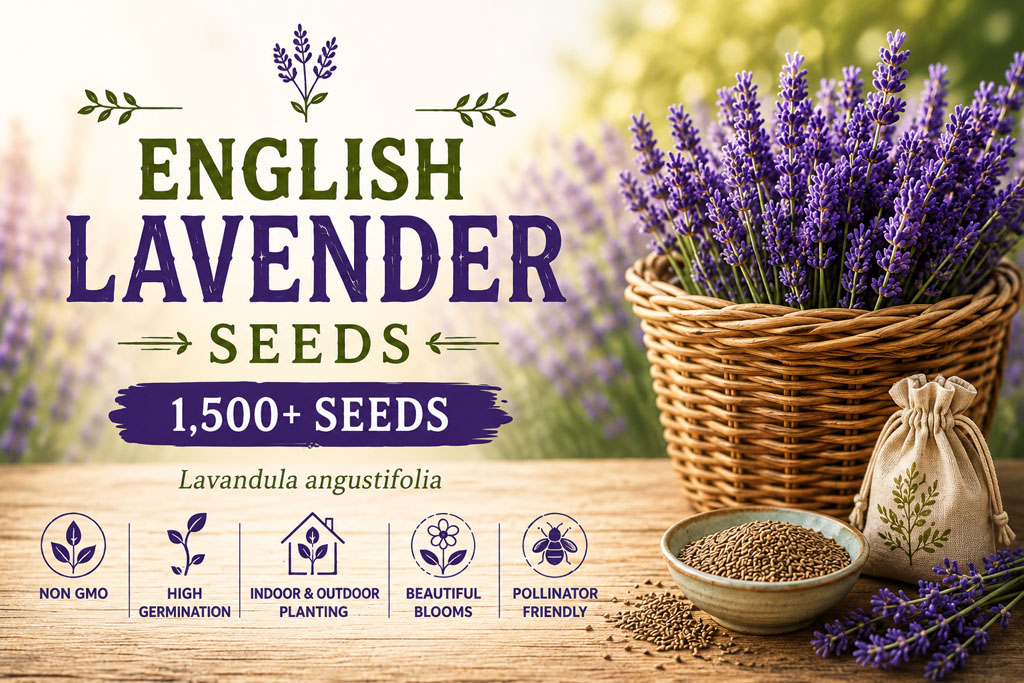
English lavender (Lavandula angustifolia) is a familiar choice for home gardens. It generally forms a compact, rounded shrub with narrow gray-green leaves and upright flower stems. Many cultivars have greater cold tolerance than ornamental lavender types, making them useful where winters include regular freezes.
Its manageable size works well along paths, in cottage gardens, in moderate containers, and among other sun-loving herbs. Cultivars still vary, so plan according to mature width rather than the small nursery pot.

Spanish and French Lavender
Spanish lavender (Lavandula stoechas) and plants sold under related French lavender names are often chosen for ornamental flower heads topped with petal-like bracts. These blooms can resemble tiny flags or butterfly wings.
They generally prefer warmer climates and may be less tolerant of severe freezes than English lavender. In suitable regions they can flower for a long season, but warmth alone does not guarantee success. Humid air, frequent rainfall, and slow-draining soil can still cause trouble.
In colder climates, containers offer flexibility because tender plants can be moved to a protected location. They still need bright light, open air, and protection from saturated potting mix.

Lavandin
Lavandin (Lavandula × intermedia) is a vigorous hybrid known for long flower stems, strong fragrance, and larger mature size. It can create broad waves of silver-green foliage and purple bloom in a generous border, but it needs more space than a compact English lavender.
Lavandin is best where it can develop without pressing against paths or neighboring plants. Read the expected spread carefully. A small plant can become a substantial shrub, and generous spacing now prevents crowding later.
No single type is universally best. Choose according to winter temperatures, summer humidity, rainfall, soil, available space, and whether you are willing to provide container protection.
Choosing the Best Place to Grow Lavender
Location shapes nearly every part of a lavender plant's future health. Many problems begin with a site that is too shaded, too damp, too crowded, or too sheltered from moving air.
Before planting, observe the proposed spot over several days. These basic lavender growing conditions shape nearly everything that follows. Notice where sunlight reaches, how long shadows remain, where water travels after rain, and whether neighboring plants are likely to grow over the area.
Lavender Sunlight Requirements
Does lavender need full sun? In most gardens, yes. Lavender usually performs best with at least six hours of direct sunlight each day, and many plants bloom more freely with longer exposure. The Royal Horticultural Society's lavender guide likewise recommends full sun and free-draining soil.
Lavender may survive in partial shade, but survival is not the same as thriving. Insufficient light can produce sparse growth, weak stems, fewer flowers, and soil that stays damp longer.
Garden light also changes through the year. A bed that looks sunny before deciduous trees leaf out may become shaded during the active growing season. Fences, buildings, and maturing shrubs can create new shadows over time.
- Avoid deep shade: Dense tree cover and dark north-facing walls are usually poor choices.
- Watch seasonal shadows: Evaluate the location when nearby trees and shrubs are fully leafed out.
- Consider warm exposures: South- or west-facing areas often provide useful light and heat, though containers in very hot climates may need closer moisture monitoring.
- Plan for future growth: Keep taller plants from gradually shading the lavender.
Airflow and Spacing
Sunlight warms lavender, while airflow helps it dry after rain and dew. Crowded foliage can remain damp, especially in humid climates, creating a weaker interior and increasing the chance of disease.
Use the cultivar's mature width when planning spacing. If a plant is expected to spread two or three feet, allow room for that eventual growth rather than judging by the nursery pot.
Open soil between young plants may look unfinished for a season, but breathing room supports healthier foliage, easier pruning, and the plant's natural rounded shape. Avoid placing lavender beside plants that require constantly moist soil or frequent overhead watering.
Garden Bed, Raised Bed, or Container?
Choose the Setting That Solves the Main Problem
Garden beds are ideal where native soil drains readily and the site receives full sun.
Raised beds help in clay-heavy, low, or rainy locations by lifting the crown above saturated ground and giving you more control over soil structure.
Containers suit patios, balconies, renters, small gardens, and climates where tender varieties need winter protection.
In a wet yard, elevation may matter most. In a small space, mobility may matter most. In a dry, sunny garden, the ground may already offer what lavender needs.
The Best Soil for Lavender
The best soil for lavender is not necessarily the richest soil in the garden. Lavender generally prefers soil that takes in enough moisture for roots to function and then releases the excess quickly.
This can feel counterintuitive to gardeners who add generous compost to every planting hole. Rich, moisture-retaining soil may support vegetables and thirsty flowers beautifully while creating an uncomfortable home for lavender.
Why Drainage Matters More Than Richness
Lavender roots need both moisture and oxygen. When soil remains saturated, water fills the spaces that would normally hold air. Roots begin to struggle, and the crown becomes more vulnerable to decline.
Common sources of excess moisture include:
- Dense clay or compacted soil
- Low areas where rainwater gathers
- Automatic irrigation intended for lawns or thirstier plants
- Large amounts of moisture-holding compost
- Thick organic mulch piled against the crown
- Containers with inadequate drainage
The crown is the area where stems meet roots near the soil surface. It should remain visible and open rather than buried beneath soil, compost, or damp mulch.
The University of Minnesota Extension notes that most garden herbs need well-drained soil and advises avoiding heavy clay, wet areas, and excessively nutrient-rich conditions. Its home herb gardening guidance supports the same basic foundation lavender prefers: sunlight, drainage, and moderate fertility.

Simple Ways to Test Garden Drainage
You can learn a great deal without complicated equipment. Begin by watching the proposed bed during wet weather.
- Do puddles remain several hours after rain?
- Does the soil stay damp for days while nearby raised ground dries?
- Does water flow toward the site from a roof, path, slope, or downspout?
- Does moist soil form a smooth, sticky ball that is difficult to crumble?
A simple drainage test can also help. Dig a small hole, fill it with water after the surrounding soil is already moist, and observe how readily the water disappears. If it remains for a prolonged period, planting lavender directly in that location may be risky.
Let Rain Reveal the Site
A bed can look dry on a sunny afternoon and still become waterlogged during a wet season. Observe it after real rainfall before deciding that drainage is adequate.
Improving Heavy Soil
There is no universal amendment recipe because soil depth, clay content, slope, rainfall, and local materials differ. Mixing a small amount of coarse material into a large volume of clay does not always solve drainage and can sometimes create a denser structure.
More dependable options include:
- Creating a broad mound that lifts the crown above surrounding soil
- Using a raised bed with a free-draining soil blend
- Redirecting roof or path runoff away from the planting
- Choosing a higher point on a gentle slope
- Growing lavender in a container when the ground remains persistently wet
Sometimes the kindest choice is not to force lavender into unsuitable earth. A terracotta pot or raised trough may allow it to thrive only a few feet from the original location.

Soil pH and Fertility
Lavender generally prefers neutral to slightly alkaline soil, though individual cultivars vary. Test before adding lime or making major changes. Guessing can create a new imbalance while attempting to fix one that may not exist.
Heavy feeding is rarely necessary. Excess nitrogen can encourage soft, leafy growth that flops, opens through the center, or flowers poorly. If the plant is growing steadily and holding healthy color, routine fertilizing may offer little benefit.
Lavender often flourishes where the soil asks it to become resilient. Richness is not always nourishment, and restraint is not neglect.
How to Plant Lavender
Once you have chosen a suitable variety, a sunny site, and free-draining soil, planting is straightforward. The most important part of learning how to plant lavender is resisting the urge to bury it deeply, enrich the hole heavily, or surround the young plant with damp mulch.
When to Plant Lavender
In many climates, spring is the safest planting season. Wait until severe frost danger has passed and the soil has begun to warm. This gives roots time to establish before winter.
Gardeners in mild climates may also plant in autumn, provided the young lavender will not immediately face hard freezes, saturated winter soil, or repeated freeze-and-thaw cycles. Avoid planting immediately before extreme summer heat whenever possible.
Use local weather rather than the calendar alone. The best planting window gives the roots time to settle before the garden reaches its harshest heat, cold, or prolonged wetness.

Planting Lavender Step by Step
- Confirm the location. Make sure it receives abundant sun, drains after rain, and has room for the mature plant.
- Dig a broad, shallow hole. It should be approximately as deep as the root ball and somewhat wider.
- Remove the plant carefully. If the root ball is completely dry, water it lightly before handling.
- Loosen circling roots gently. Tease apart tightly wrapped outer roots without tearing the root system to pieces.
- Set the plant at the correct depth. Keep the top of the root ball level with the surrounding soil or slightly high where drainage is a concern.
- Backfill without burying the crown. Press lightly to remove large air pockets, but do not compact the bed until it becomes hard.
- Water slowly after planting. Moisten the root zone and allow excess water to drain away.
- Leave the base open. Keep heavy mulch, fallen leaves, and neighboring stems away from the crown.
Avoid creating a small pocket of rich compost inside heavy soil. That softer hole can behave like a basin and collect water around the roots. If the broader bed is unsuitable, improve the bed, raise the planting, or use a container.
How Far Apart Should Lavender Be Planted?
Spacing should follow mature size, not the dimensions of the young plant. Compact English lavender may remain modest, while vigorous lavandin can spread several feet.
Allow roughly the expected mature width from the center of one plant to the center of the next. This gives each plant enough light and airflow while leaving space for pruning and inspection. Borders can be planted slightly closer for a connected appearance, but avoid creating a dense wall that stays humid inside.
A Gentle Planting Intention
Planting can be practical and meaningful without becoming ceremonial. As you settle the roots, notice the soil's texture, the warmth of the light, and the movement of air through the bed.
This is the beginning of a relationship, not merely the placement of a plant.
Let the intention remain simple: to observe carefully and respond honestly as the lavender grows.
How Often to Water Lavender
Knowing how often to water lavender is less about following a fixed schedule and more about reading the soil, weather, season, and stage of growth.
Lavender is drought-tolerant once established, but that phrase can mislead new gardeners. It does not mean a recently planted lavender can be placed in dry ground and forgotten. Young plants still need dependable moisture while roots expand beyond the nursery root ball.
Watering Newly Planted Lavender
Check a new plant regularly during its first weeks and months. The surrounding soil may feel damp while the original root ball has dried, or the root ball may remain wet even though the surface looks pale.
Feel below the surface before watering. When the root zone has begun to dry, water deeply enough to moisten it and then allow the excess to drain. Do not keep the soil constantly wet.
The interval between waterings depends on heat, rainfall, wind, soil type, and plant size. A cool spring bed may remain moist for several days, while a young plant in hot wind may dry much faster. This is why instructions such as “water every three days” are unreliable.
As the plant establishes and produces steady new growth, gradually allow more time between waterings. This encourages roots to explore a broader area rather than depending on frequent shallow moisture.
Watering Established Lavender
Mature lavender usually prefers the soil to dry between waterings. In many gardens, natural rainfall supplies much of what an established plant needs outside periods of severe drought.
Check several inches into the soil. If it remains cool and damp, wait. If the root zone is dry and the plant shows genuine water stress, provide a slow, thorough drink near the base.
Water needs rise and fall with conditions:
- Hot weather and wind increase moisture loss.
- Sandy soil dries faster than heavy soil.
- Containers change moisture more quickly than garden beds.
- Cool weather and regular rain reduce the need for irrigation.
- A sheltered pot may receive less rainfall than nearby ground.
Avoid tying lavender to the same irrigation schedule as lawns, vegetables, or moisture-loving flowers. Hand watering or a separate drip line often gives better control.
Signs of Too Much or Too Little Water
Possible signs of excess moisture include yellowing leaves, soft growth, a limp plant in wet soil, darkening stems near the crown, sections dying back, or an unhealthy smell from the root zone.
Possible signs of genuine drought include dry soil through the root zone, brittle foliage, drooping growth, or potting mix pulling away from a container's sides.
Wilting alone cannot tell you which problem is present. Heat, damaged roots, transplant stress, excess water, and dryness can all cause drooping. Check the soil before responding.
Before You Water
Touch the soil below the surface. The plant's appearance offers a clue, but the root zone tells the fuller story.

Growing Lavender in Pots
Growing lavender in pots can be an excellent solution for patios, balconies, renters, small gardens, and yards with heavy or wet soil. Containers also make it possible to move tender varieties before severe winter weather.
A pot offers control, but it does not change lavender's essential needs. The plant still requires strong light, moving air, a free-draining root zone, and thoughtful watering.
Choosing the Best Pot for Lavender
The best pot for lavender has generous drainage holes, enough width for the selected cultivar, and a stable base that will not tip as the plant becomes top-heavy.
Terracotta is popular because its porous walls allow moisture to evaporate. This can be useful in humid climates or for gardeners who tend to overwater, though terracotta dries faster and may crack if it freezes while saturated.
Glazed ceramic, stone, wood, and sturdy plastic can also work. Plastic retains moisture longer, so watering may need to be less frequent. Whatever material you choose, never rely on a decorative outer pot that traps water around the inner container.
Avoid placing a small lavender into an enormous pot. A large volume of unused potting mix can remain wet long after the limited root system has taken what it needs. Choose a container somewhat wider than the root ball, with room for growth but not a moat of damp soil.
Potting Mix and Drainage
Garden soil used alone can compact inside a container. Start with a quality potting mix formulated for outdoor containers, then select a blend suited to Mediterranean herbs or improve structure with locally appropriate mineral materials such as pumice or coarse grit.
The mix should drain readily while holding enough moisture for roots to function. It should not collapse into a dense mass after repeated watering.
Do not place stones in the bottom as a substitute for drainage holes. Water must be able to move through the potting mix and leave the container.
Placing and Watering Potted Lavender
Set the pot where the plant receives abundant direct sunlight and air can circulate around the foliage. Walls, roof overhangs, and railings may create more shade than expected. Brick, stone, and concrete can reflect intense heat, which lavender may enjoy while the roots still require monitoring during extreme weather.
Check moisture below the surface before watering. If the pot is small enough, lifting it can help: dry containers often feel noticeably lighter.
When water is needed, apply it thoroughly until excess leaves the drainage hole. Empty saucers promptly. Do not allow the lower roots to stand in water.
If potting mix has become so dry that water runs down the sides, apply a little at a time in several passes. This gives the mix a chance to absorb moisture rather than sending it straight through the gap between soil and pot.
Overwintering Container Lavender
Roots in pots experience colder temperatures than roots insulated by the ground. Even a hardy cultivar may need protection in a container.
Options depend on climate and variety, but may include moving the pot beside a protected wall, placing it in an unheated greenhouse or bright garage, grouping containers together, insulating the outside of the pot, and raising it slightly so winter water can drain.
A warm, dim living room is usually unsuitable. Lavender resting indoors needs the brightest, coolest, airiest conditions available, away from heating vents. Water sparingly, but do not forget a sheltered pot for an entire winter.
A container offers flexibility, but it also places lavender closer to extremes of heat, cold, dryness, and wetness.
Seasonal Lavender Care and Everyday Maintenance
Good lavender garden care changes as light, rainfall, temperature, and growth shift through the year. Instead of performing the same tasks every month, meet the plant where it is.
Spring: Inspect Before You Act
Spring is a season of assessment. Clear fallen leaves from around the crown, make sure container drainage holes remain open, and look for fresh growth before deciding which stems survived winter.
Lavender can wake slowly in cool weather. Gray outer foliage does not always mean the entire branch is dead. Wait for clear signs of growth, then remove obviously dead material and shape the plant lightly at the appropriate time for your climate.
If water pooled around the plant during winter, address drainage rather than trying to feed the plant into recovery. Moving a container or lifting the bed may help more than fertilizer.
Summer: Support Growth Without Pushing It
During summer, monitor soil during long periods of heat or drought, particularly in pots. Keep neighboring plants from leaning into the lavender, and avoid high-nitrogen fertilizer that produces soft, floppy growth.
Allow some flowers to remain for pollinators, and avoid spraying broad-spectrum insecticides on a plant busy with bees. A buzzing lavender is usually not infested. It is participating in the life of the garden.

Autumn: Reduce and Prepare
As growth slows, reduce unnecessary irrigation and avoid heavy feeding that encourages tender late-season growth. Remove wet leaves from the crown, check beds after autumn rain, and decide where tender container plants will spend winter.
In rainy climates, drainage and airflow matter more than wrapping the plant in damp protection.
Winter: Allow Rest
Dormancy is not a problem to solve. Hardy lavender may remain outdoors while its color becomes quieter and growth pauses.
Keep the crown free from wet debris, avoid thick moisture-trapping mulch against the stems, and protect containers from severe freezes when necessary. Pots under roofs may receive little natural precipitation, so check them occasionally during prolonged dry weather.
Seasonal lavender care can become part of gardening with the turning Wheel of the Year. Spring reveals emergence, summer brings abundance, autumn asks for preparation, and winter teaches rest.
Fertilizer, Mulch, and Weeding
Lavender generally needs little fertilizer. Before feeding a pale or weak plant, check sunlight, drainage, watering, and root health. Container plants may eventually need modest support, but stronger feeding is not automatically better.
Thick bark, wet leaves, and compost piled around the crown can trap moisture. In suitable climates, a shallow mineral mulch such as gravel may keep the surface more open, but it cannot repair fundamentally poor drainage.
Hand-weed gently around lavender. Remove weeds while they are small, avoid digging deeply near the crown, and keep vigorous volunteers from filling the plant's breathing room.
Lavender often teaches care through restraint. More water, more food, and more intervention are not always expressions of greater love.
Sometimes the most useful maintenance is small: clearing wet leaves, moving a pot into stronger light, trimming a crowded neighbor, or leaving a healthy plant alone.

How to Prune Lavender Without Damaging It
Pruning lavender plants helps them remain compact, bushy, and open to light and air. Without regular shaping, older plants may sprawl, open through the center, or become increasingly bare near the base.
Why Lavender Needs Pruning
Lavender naturally develops woody stems as it matures. Moderate pruning cannot stop aging, but it can slow the progression toward a loose, leggy shape by encouraging branching and keeping the weight of upper growth balanced over the base.
Pruning also removes clearly dead material, improves access for inspection, and prevents branches from collapsing across paths or neighboring plants.

When to Prune Lavender
The best timing depends on species, climate, and winter severity. In colder regions, wait until severe frost danger has passed and fresh growth shows which stems survived. In milder climates, gardeners may shape lavender at other points in the growing cycle.
A light trim after flowering can help some varieties remain tidy, but avoid severe pruning immediately before extreme cold, heat, or prolonged wet weather. Use clean, sharp shears so stems are cut rather than crushed.
How Far Back Should You Cut?
The most important rule is to keep green leafy growth on living stems. Lavender does not reliably regenerate from every section of old bare wood. Cutting an established plant down to a woody framework can leave permanent gaps or kill entire branches.
- Follow the plant's natural rounded shape.
- Keep leaves or visible green growth below each cut.
- Remove fully dead branches separately from general shaping.
- Correct an overgrown plant gradually rather than in one severe session.
- Replace a very old, hollow plant if renovation is unlikely to restore it.
To check a questionable stem, bend it gently. Living wood often remains flexible, while dead material snaps easily. A light scratch may reveal green tissue beneath the surface, but avoid wounding healthy branches unnecessarily.
Pruning Young Lavender
Young plants benefit from gentle tip pruning once they are growing steadily. Shortening long soft shoots encourages branching and helps create a fuller framework. Do not remove a large amount from a newly planted lavender that is still establishing roots.
Pruning and Harvesting Are Not the Same
Pruning maintains the plant; harvesting removes stems for use. The tasks may overlap slightly, but this guide focuses only on plant health and structure.
Common Lavender Growing Problems
Even thoughtfully planted lavender can struggle. Weather changes, containers age, neighboring plants expand, and a cultivar that looked healthy at the nursery may prove poorly suited to local conditions.
Before treating a symptom, examine the whole environment: sunlight, soil moisture, drainage, recent weather, pruning, crowding, and the plant's suitability for the climate.
| Problem | Check First | Common Possibilities |
|---|---|---|
| Few flowers | Direct sunlight | Shade, excess fertilizer, immaturity, pruning timing |
| Yellow leaves | Soil moisture | Overwatering, poor drainage, root stress |
| Leggy growth | Light and pruning history | Shade, crowding, age, irregular shaping |
| Winter decline | Drainage and cultivar | Cold wet roots, exposed pots, freeze-and-thaw cycles |
Lavender Is Not Flowering
A young plant may spend its first season building roots and flower lightly. For an established lavender, insufficient sun is one of the first conditions to examine. Too much nitrogen can also produce lush foliage at the expense of flowers.
Other possibilities include pruning at an unsuitable time, removing too much active growth, winter damage, crowding, or a variety poorly adapted to local humidity and temperature.
Lavender Is Turning Yellow
Check moisture and drainage before adding fertilizer. Soil that remains wet, a blocked drainage hole, automatic irrigation, a buried crown, or a pot much larger than the root system can all create stress.
Yellowing may also follow transplant disturbance, age, or nutrient imbalance, so moisture is not the only possible cause. Correct the growing condition first, then watch the newest growth for improvement.
Lavender Is Woody or Leggy
Some woodiness is natural because lavender is a small shrub. Too little sunlight, irregular pruning, crowding, excess fertilizer, and age can make the plant unusually open or sprawling.
Lightly shape living growth, improve access to sun and air, and remove dead branches. Do not cut an old plant to bare wood in an attempt to restart it. If most stems are hollow, brittle, or leafless, replacement may be more successful than severe renovation.
Lavender Is Dying in Winter
Winter damage often results from cold combined with wet soil. Other factors include root exposure from frost heaving, unsuitable cultivars, drying winds, repeated freeze-and-thaw cycles, and container roots that lack the insulation of surrounding ground.
Wait for spring growth before declaring the entire plant dead. For future winters, choose a hardier cultivar, improve drainage, protect pots, and keep damp mulch away from the crown.
Root Problems, Fungal Disease, and Pests
Dark or soft tissue near the crown, collapse in wet soil, unpleasant odors, spreading discoloration, or sections dying back may indicate root or fungal trouble. Several conditions can look similar, so avoid diagnosing from one symptom alone.
Remove fallen diseased material, improve airflow, avoid unnecessarily wetting foliage, and clean tools before using them on another plant. When decline is rapid or unclear, a local extension service or plant diagnostic clinic can provide region-specific help.
Lavender is often relatively pest-resistant, but stressed plants may attract mites, whiteflies, or other sap-feeding insects. Identify the visitor before spraying. Bees, hoverflies, spiders, and predatory insects belong in the garden and may be mistaken for pests.
Diagnose Before You Treat
A drooping plant does not always need water. A yellow plant does not always need fertilizer. An insect on a flower is not automatically a pest. Begin with observation, then choose the smallest useful response.

Lavender Companion Plants and Garden Design
Choosing lavender companion plants begins with compatible growing conditions. The best companions are not simply plants with appealing symbolism or matching flower colors. They also appreciate sunlight, open air, and soil that does not remain constantly wet.
Good choices may include rosemary, thyme, culinary sage, oregano, yarrow, echinacea, and drought-tolerant native flowers suited to your region.
- Rosemary can create an evergreen partnership with lavender in climates where both are hardy. My guide to growing rosemary at home can help you compare their needs.
- Thyme and oregano can fill lower edges while sharing a preference for bright, relatively dry conditions.
- Sage offers textured foliage and flowers without demanding constantly moist soil. Explore its wider garden value in the guide to growing sage.
- Yarrow, echinacea, and native flowers can extend the season of nectar and provide different flower shapes for pollinators.

Plants That Need Different Conditions
Use caution with plants that prefer deep shade, rich wet soil, frequent overhead watering, or dense organic mulch. They are not “bad” companions, but they may require a separate irrigation zone or more distance.
Large, floppy plants can also collapse over lavender and trap moisture. Ask whether both plants can receive suitable care in the same bed without compromising either one.
Creating a Lavender-Centered Space
A lavender garden does not need to be large. A few well-placed plants can transform a path, patio, balcony, or sunny corner through scent, movement, and pollinator life.
Placing lavender in the garden beside a path allows its fragrance to rise whenever leaves are brushed. Set plants far enough back that mature branches do not block the walkway. Warm gravel and stone can complement its needs, provided runoff does not collect around the roots.
For a pollinator-friendly lavender corner, combine the plant with compatible flowers that bloom before and after it. Vary heights and flower shapes, avoid broad-spectrum pesticides, and include a shallow water source with stones for safe landing.
On a balcony or patio, one healthy lavender in a well-drained pot may offer more than several crowded plants. Add a separate pot of thyme or oregano and a chair nearby. In a small space, fragrance becomes especially noticeable when sunlight warms the foliage.
Make Room to Observe
One of the most valuable additions to a lavender garden is a place to sit. A bench, chair, flat stone, or step gives you time to notice how light moves, which insects visit, when soil dries, and how the plant responds to weather.
A garden reveals more when we give ourselves somewhere to be still inside it.
Observation improves gardening skill, but it also changes the garden from a list of tasks into a place where you can receive as well as tend.

Lavender and the Five Elements in the Garden
The Five Elements offer a gentle way to understand the experience of growing lavender without turning practical care into ceremony. Earth, Water, Fire, Air, and Spirit are already present in every healthy garden.
Earth
Earth holds the roots and determines whether water drains or gathers. In lavender care, Earth is found in lean soil, gravel, raised beds, terracotta, stone, and the physical work of giving roots a suitable home.
Water
Water teaches measure. A young plant needs help establishing, while a mature lavender often asks the gardener to wait. Working with Water means learning when to provide moisture and when to let the soil dry.
Fire
Fire arrives as sunlight and warmth. Lavender turns toward it, develops fragrance beneath it, and raises flowers during the bright season. Choosing an open, sunny site is one of the most practical ways to honor Fire in this garden relationship.
Air
Air moves through stems, dries leaves after rain, carries fragrance, and supports the flight of pollinators. Spacing keeps this element active around the plant.
Spirit
Spirit appears in the relationship formed through repeated care. It is present when you recognize the difference between dry and saturated soil, notice the first spring growth, leave flowers for bees, or accept that the plant belongs in a different location.
The elements are not decorations placed around the garden. They are the living conditions through which the garden continues.

Caring for Lavender as a Green Witch Practice
Green Witch gardening begins with the understanding that a plant is more than an ingredient, decoration, or symbol. It is a living presence with its own limits, preferences, and seasonal rhythm.
Lavender makes this lesson clear. Admiration alone cannot help it thrive. The plant responds to bright sun, moving air, measured water, lean soil, and enough space for its branches to remain open.
Learning its rhythm takes time. In spring, you wait for new growth before making severe decisions. In summer, you notice bees moving among the flowers. In autumn, you reduce unnecessary intervention. In winter, you allow dormancy rather than trying to force continuous growth.
A relationship with lavender is built less through what we take from the plant than through how carefully we learn to notice what it needs.
Reciprocity appears through practical choices: leaving flowers for pollinators, watering without saturating the roots, pruning carefully, avoiding unnecessary pesticides, choosing a suitable cultivar, and moving the plant when a location repeatedly fails it.
Changing the location is not giving up. A brighter container site, a raised bed, or a different variety may be a more honest response than trying to force lavender to tolerate shade or wet ground.
Restraint also belongs within reciprocity. A plant in full bloom may tempt us to gather every stem, yet those flowers are feeding insects and supporting the wider garden. Taking less allows the abundance to remain shared.
Established lavender may eventually offer material for household or spiritual practice. The guide to simple lavender rituals for peace, protection, and sleep offers thoughtful ways to work with the herb after it has been grown or obtained responsibly.
A Green Witch relationship with lavender is not measured by how many things can be made from it. It is visible in the plant's health, the life around its flowers, and the care taken before anything is removed.
When Lavender Is Ready for the Next Stage
A healthy, established plant may eventually produce enough flowers and stems to share with the household while still supporting pollinators and continued growth.
Depending on the variety and how it has been grown, lavender may later be used for household fragrance, food-grade preparations, sachets, bundles, seasonal crafts, or ritual materials. Not every ornamental lavender is equally suitable for culinary use, so identify the plant carefully before using it in food or drink.
There is no need to rush. Young or stressed lavender benefits from keeping its growth. This guide has focused on building the foundation: healthy roots, suitable soil, open sunlight, careful watering, and a reciprocal relationship with the living plant.
Once it is established and flowering, the next step is learning how to harvest lavender without weakening it and how to dry and store it properly.

Frequently Asked Questions About Growing Lavender
Can lavender grow in partial shade?
Lavender may survive in light partial shade, but it usually grows and flowers best in full sun. Too little light can lead to sparse growth, fewer blooms, weak stems, and soil that remains damp longer. In extremely hot climates, brief protection from harsh late-afternoon heat may help some plants, but the location should still be bright and open.
How much sun does lavender need?
Most lavender needs at least six hours of direct sunlight each day. Longer exposure often supports denser growth and more flowers. Observe seasonal shadows from trees, buildings, fences, and neighboring plants before choosing a permanent site.
How often should lavender be watered?
There is no universal schedule. Newly planted lavender needs regular checking while roots establish. Mature plants generally prefer the root zone to dry between waterings. Temperature, rainfall, wind, soil type, container size, and season all affect the interval.
Can lavender grow in clay soil?
Lavender may struggle in dense clay that stays wet after rain. A broad mound, raised bed, sloped location, or container is often safer than planting directly into persistently waterlogged ground. Avoid creating a small compost-rich pocket that collects water within the surrounding clay.
Is lavender better in pots or in the ground?
Either can work. In-ground planting is ideal where soil drains freely and the cultivar suits the climate. Pots offer control over soil and make tender varieties movable, but container plants require closer attention to heat, winter cold, and changing moisture.
Why is my lavender turning yellow?
Excess moisture and poor drainage are common causes, so check the soil first. Also inspect drainage holes, irrigation patterns, mulch around the crown, and whether the pot is too large. Root disturbance, age, or nutrient imbalance can cause similar symptoms, so avoid treating with fertilizer until the growing conditions have been assessed.
Does lavender come back every year?
Lavender is a perennial woody herb, but survival depends on species, cultivar, winter temperatures, summer humidity, drainage, and overall health. English lavender is generally more cold-tolerant than many Spanish or French types. Even hardy plants may fail in cold, saturated soil.
How long does lavender take to mature?
A young lavender may need several growing seasons to reach its mature size and flowering potential. Growth rate depends on cultivar, starting size, climate, soil, sunlight, and care. Leave enough space for the mature plant even when the first-year shrub looks small.
Can lavender grow indoors?
Lavender is difficult to grow permanently indoors because it needs intense light, airflow, and relatively dry conditions. An exceptionally bright window or greenhouse may support it, but warm, dim rooms often produce weak growth. Outdoor container culture is usually more reliable where climate permits.
What grows well beside lavender?
Rosemary, thyme, culinary sage, oregano, yarrow, echinacea, and drought-tolerant native flowers can be good companions when they share similar sunlight, drainage, and watering needs. Mature spacing matters as much as plant choice.
Is lavender good for bees?
Yes. Flowering lavender can provide nectar for honeybees, bumblebees, native bees, butterflies, hoverflies, and other insects. Pollinator value varies by cultivar and region. Avoid broad-spectrum pesticides while flowers are open and combine lavender with other seasonal blooms.
Should lavender be cut back every year?
Regular moderate pruning can help maintain a compact shape and reduce sprawling growth. Timing varies with climate and lavender type. Keep green leafy growth below each cut and avoid cutting deeply into old bare wood.

Final Reflection
Lavender stands in the garden with quiet clarity. It turns toward the sun, holds fragrance in narrow leaves, opens flowers to bees, and asks its roots to find footing in soil that does not cling too tightly to water.
Learning how to grow lavender successfully comes from respecting this nature rather than trying to transform it.
The plant is drought-adapted, but a young lavender still needs attentive watering. It values lean soil, yet requires a stable root environment. It welcomes warmth and moving air, while prolonged wetness can undo even generous care.
Its lessons are lessons of proportion: enough water, but not constant moisture; enough pruning, but not an assault on old wood; enough closeness to enjoy its fragrance, but enough space for air to move.
Lavender also reminds us that the garden does not belong to the gardener alone. Flowers become food, stems become shelter, and the open spaces between plants become pathways for insects and wind.
Lavender becomes most meaningful when we stop asking it to be merely beautiful or useful and begin tending it as a living presence rooted beside us.
This is the heart of Green Witch gardening. It is not the attempt to make a plant conform to an imagined role. It is the willingness to learn who the plant already is.
When we begin there, garden magic becomes less mysterious and more intimate. It appears in sunlight reaching silver leaves, roots resting in open soil, bees bending purple stems, and the gardener who pauses long enough to notice.