🌿7 Steps to Create a Green Witch’s Garden: A Magical Sanctuary Rooted in Nature
There is a quiet kind of magic in tending a garden.
It begins with ordinary things: soil beneath your fingernails, rain gathered on leaves, the warm fragrance of rosemary, and the first green shoot appearing where yesterday there seemed to be nothing at all. Yet when these moments are approached with attention, they become more than garden chores. They become a conversation with the living world.
A Green Witch’s garden is not defined by its size, perfect design, or collection of unusual herbs. It is a space where gardening and spiritual practice grow together. It may be a cottage garden overflowing with lavender and yarrow, a few pots on a sunny balcony, or a windowsill where basil leans toward the light.
What makes the garden magical is the relationship you cultivate within it.
In this guide, you will learn how to create a Green Witch garden through seven grounded steps. We will explore garden intentions, witch garden plants, elemental design, lunar gardening, mindful harvesting, and simple practices that help your space feel sacred without becoming complicated or overly ceremonial.
🌱 What Is a Green Witch’s Garden?
A Green Witch’s garden is a living sanctuary where plants are grown for beauty, nourishment, wildlife, ritual, reflection, and connection with the Earth.
For some practitioners, the garden provides herbs for spellwork, altar offerings, seasonal celebrations, or an apothecary. For others, it is simply a place to sit quietly, observe the weather, and remember that life moves in cycles rather than straight lines.
Unlike a garden designed only for appearance, a magical garden is shaped by relationship. You learn which plants thrive in your soil, which flowers call the bees, where moonlight falls, and how the garden changes when the seasons turn.
This approach reflects the heart of nature-centered Green Witchcraft: working with the Earth instead of attempting to control it.
Your garden might become a place to:
- Grow herbs for rituals, crafts, cooking, and safe herbal preparations
- Meditate, journal, or simply sit outdoors
- Observe the moon, weather, birds, insects, and changing seasons
- Create offerings from flowers, water, seeds, or fallen leaves
- Practice sustainable gardening and habitat care
- Celebrate the Wheel of the Year
- Reconnect with yourself during stressful or uncertain seasons
Nature contact is not a substitute for professional healthcare, but research has found associations between nature exposure and several aspects of physical and emotional well-being. A review available through the National Institutes of Health discusses evidence connecting time in nature with mental health, cognitive function, physical activity, and sleep.
A Green Witch’s garden is not a collection of magical objects. It is a relationship tended one seed, one season, and one quiet moment at a time.

🪴Step 1: Begin with the Spirit of the Garden
Before choosing plants or drawing pathways, pause and consider what you hope this garden will hold.
Do you want a peaceful retreat? A pollinator haven? A place for moon rituals? An herb garden for cooking and magical practice? Perhaps you want a small sanctuary where you can sit with a cup of tea and hear something other than the machinery of a busy day.
Your intention does not need to be elaborate. A few words are enough:
- Rest and renewal
- Protection and grounding
- Healing and emotional clarity
- Creativity and abundance
- Connection with ancestors or seasonal traditions
- Support for bees, butterflies, birds, and local wildlife
Write your intention in a garden journal, speak it aloud, or hold it silently while placing your hands on the soil. This is not about making a rigid promise. Gardens are famous for rewriting our plans in rainwater and roots.
Some of my most meaningful garden rituals have not looked like rituals at all. They have been five quiet minutes spent watering herbs at dusk, gathering rosemary after rain, or noticing the first bee arrive among the flowers.
Let the Land Participate
A Green Witch garden begins by listening.
Notice where sunlight lingers and where shade gathers. Watch what happens after rain. Learn whether your soil drains quickly or holds moisture. Observe which plants already grow naturally and which creatures visit the area.
This practical attention is also a spiritual practice. The garden is not an empty canvas waiting to obey. It is already a small ecosystem with its own history, limitations, and possibilities.
If your space has become overly controlled or biologically quiet, explore the idea of allowing a little wildness to return. Even one undisturbed corner can offer shelter, seeds, and breathing room for more-than-human neighbors.

Step 2: Learn Your Growing Conditions
Magical correspondences can help you choose meaningful plants, but sunlight, soil, rainfall, and climate determine whether those plants will flourish.
Before planting, consider:
- Light: Does the space receive full sun, partial sun, or mostly shade?
- Water: Can you reach the garden easily with a hose or watering can?
- Soil: Is it sandy, heavy with clay, rich with organic matter, or compacted?
- Climate: Which plants suit your growing zone and seasonal temperatures?
- Space: Will mature plants have enough room without crowding?
- Safety: Are any plants toxic to children, pets, livestock, or wildlife?
A flourishing plant carries more vitality into your spiritual practice than a struggling plant selected only because a correspondence chart called it powerful. The best Green Witch garden ideas begin with plants suited to the space you actually have.

Step 3: Choose Witch Garden Plants with Purpose
Choosing witch garden plants is one of the most enjoyable parts of creating your sanctuary. It is where practical gardening knowledge and magical tradition begin weaving together.
Rather than buying every herb associated with protection, intuition, or abundance, begin with plants you will genuinely use, enjoy, and be able to grow successfully.
Lavender for Peace and Purification
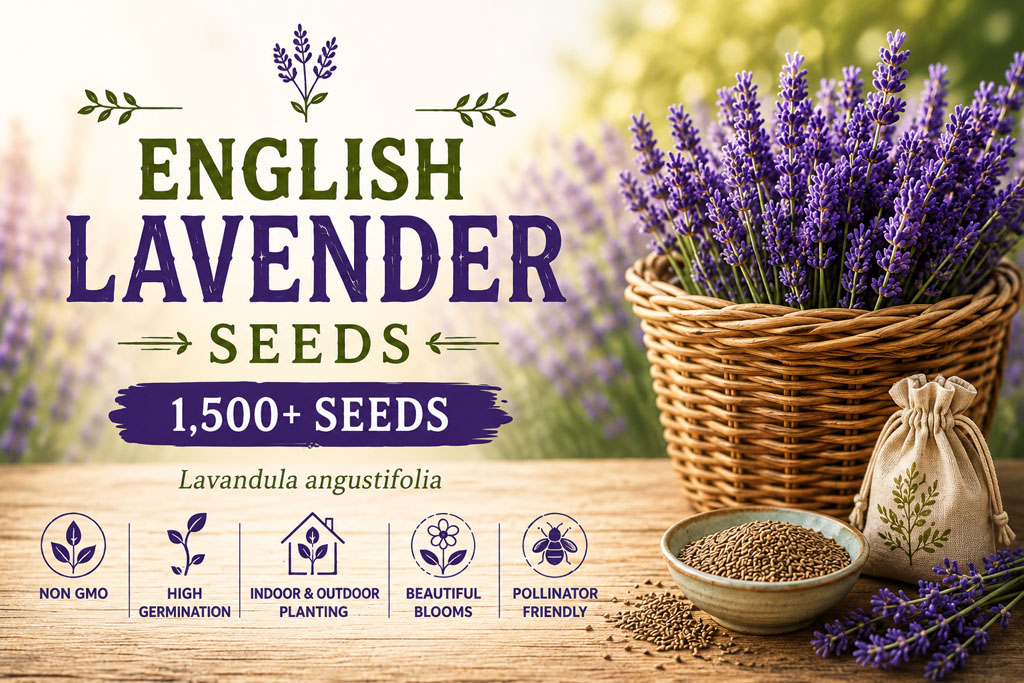
Lavender is traditionally associated with calm, purification, love, peaceful sleep, and gentle protection. Its fragrance makes it lovely beside paths and sitting areas, while its flowers draw pollinators. Lavender prefers generous sunlight and well-drained soil, so avoid planting it where roots remain wet.
For deeper spiritual inspiration, explore the symbolism and magical traditions surrounding lavender.

Rosemary for Memory and Protection
Rosemary is associated with remembrance, clarity, loyalty, purification, and protection. Place it near an entrance as a symbolic guardian, use a sprig in a seasonal arrangement, or brush the leaves when you need to return your attention to the present moment.
If rosemary suits your climate, discover more reasons to welcome rosemary into your garden.

Sage for Wisdom and Clearing
Common garden sage is connected with wisdom, protection, longevity, and energetic clearing. It is also a useful culinary herb that produces flowers for visiting pollinators.
Garden sage is not the same plant as white sage, which holds deep cultural significance for several Indigenous communities and has been affected by unethical harvesting. Growing common culinary sage is often a more suitable and sustainable choice.
You can explore the many gifts of growing sage at home.

Mugwort for Dreams and Intuition
Mugwort is associated in folklore with dreams, divination, intuition, and lunar work. It can spread aggressively through underground rhizomes, however, so it is often best kept in a large container. Check local invasive-plant guidance before growing it outdoors.
More Beginner-Friendly Witch Garden Plants
- Basil: Prosperity, affection, household blessings, and abundance
- Chamomile: Peace, gentle luck, purification, and rest
- Yarrow: Courage, healing traditions, love, and energetic boundaries
- Thyme: Purification, courage, vitality, and remembrance
- Calendula: Warmth, protection, joy, and solar energy
Select plants according to their real growing requirements as well as their symbolic meanings. A thriving basil plant in a sunny pot may serve your practice more fully than a rare mystical herb struggling in unsuitable soil.

Native Plants for Local Earth Magic
Not every magical garden needs to be built from familiar European herbs. Native flowers, grasses, shrubs, and medicinal plants can form an especially meaningful relationship between your practice and the land where you live.
Visit a reputable native nursery or consult a local extension service to identify plants suited to your region. Native plants may provide food and shelter for insects and birds while requiring less intervention once established.
For a garden alive with wings and movement, read the Green Witch approach to supporting bees.

Step 4: Design the Garden with the Five Elements
A Green Witch’s garden can become a living expression of the Five Elements: Earth, Water, Fire, Air, and Spirit.
You do not need to divide the space into perfect ceremonial quarters. Allow the elements to appear naturally through materials, plants, weather, and the ways you interact with the garden.
Earth: Soil, Stones, Roots, and Stability
Earth is present in every root and handful of compost. Strengthen its symbolism with stones, clay pots, low-growing herbs, or a sitting rock. Earth reminds us that spiritual practice requires foundations. Plants need soil. Intentions need action. Rest needs a place to land.
Explore the qualities of grounding, patience, and embodiment associated with Earth.

Water: Flow, Reflection, and Emotional Renewal
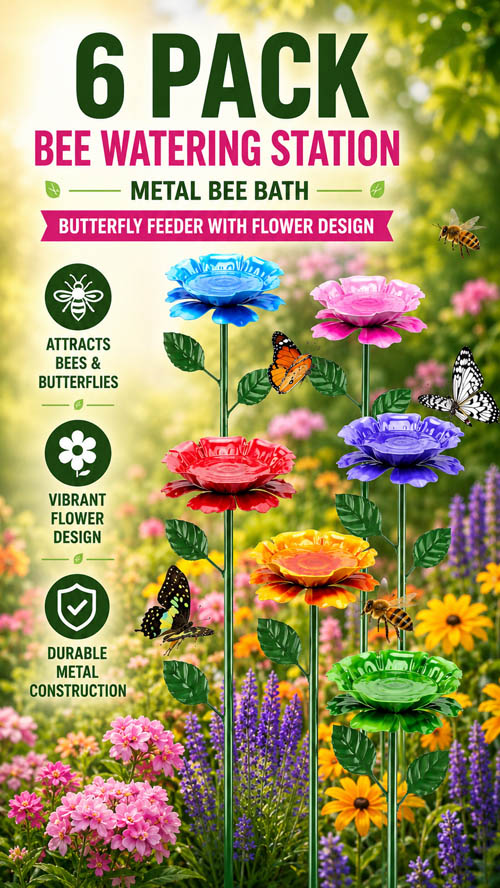
A birdbath, shallow pollinator dish, rain chain, fountain, or bowl of fresh water can welcome Water into the garden. You can also represent it through blue flowers, curved paths, rain collection, or the simple ritual of watering plants slowly.
Fire: Sunlight, Transformation, and Vitality
Fire lives in sunlight, summer heat, ripening fruit, and compost transforming old material into fertile soil. Represent it with red or golden flowers, solar lanterns, or sun symbols. Use candles only when weather and local fire conditions make them safe.
Air: Fragrance, Movement, and Breath
Air moves through grasses, carries the scent of herbs, and fills the garden with birdsong and insect hum. Welcome it with fragrant plants, seed heads, gentle chimes, or a place where you can sit and breathe slowly.
Spirit: Relationship and Sacred Presence
Spirit is the connection running through everything. It may be represented by a central altar, a tree, a circular bed, an empty chair, or the awareness you bring when entering the garden.
Spirit is the recognition that you are not standing outside nature. You are part of it.

Step 5: Create Pathways, Resting Places, and a Garden Altar
A magical garden should invite you to spend time within it. Beauty matters, but so do comfort, accessibility, and ease of care.
Consider including:
- A clear path made from gravel, bark, stepping stones, or mown grass
- A chair, bench, cushion, or shaded resting place
- A small table for journaling or sorting herbs
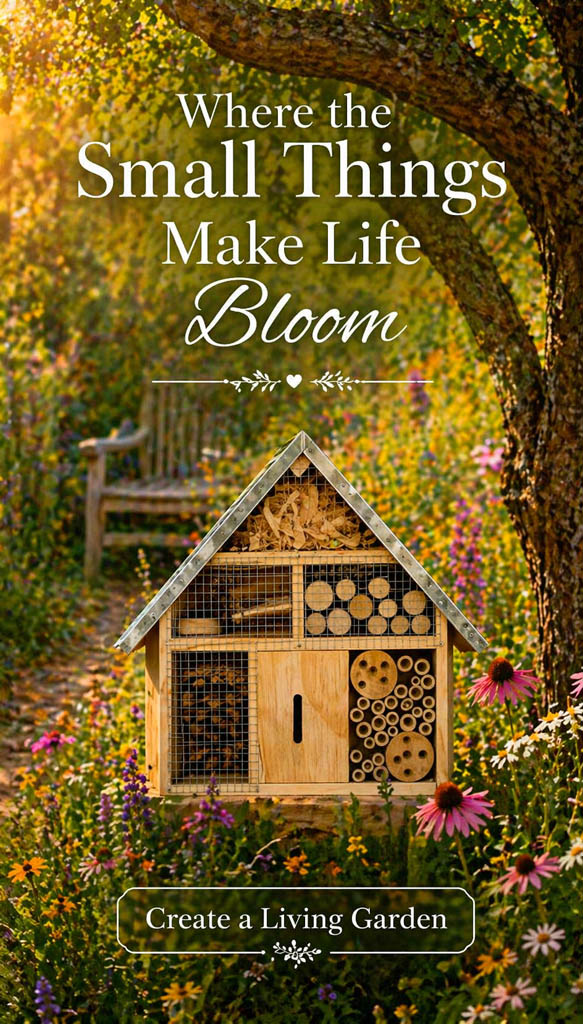
- A pollinator bed or native planting area
- A quiet corner for meditation or moon observation
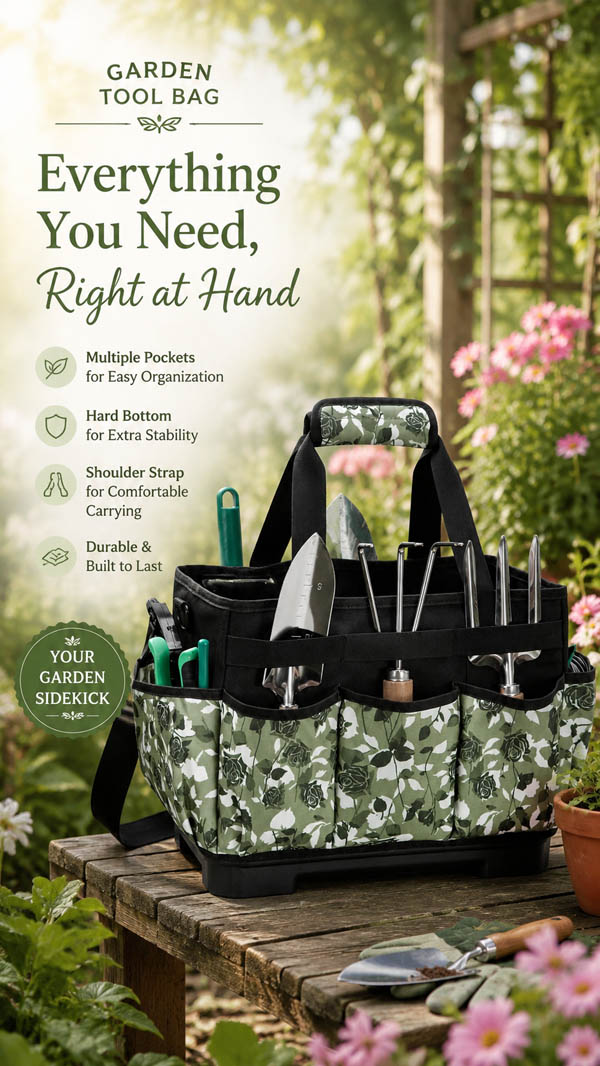
- A practical place for tools and plant labels
Build a Simple Outdoor Altar
An outdoor altar can be as modest as a flat stone beneath a tree. It might hold a bowl of water, a seasonal flower, a lantern, a shell, or a small object that reminds you to pay attention.
Avoid leaving anything that could harm wildlife, become litter, attract pests, or introduce salt, wax, glitter, artificial fragrance, or nonnative seeds into the garden.
The most respectful offering is often care itself: fresh water, restored habitat, compost, seed-saving, or time spent removing plastic from the soil.
For more ideas, explore how to create an altar using simple natural elements.
The garden does not become sacred because we decorate it. It becomes sacred because we learn to meet it with care.

Step 6: Garden with the Moon and the Seasons
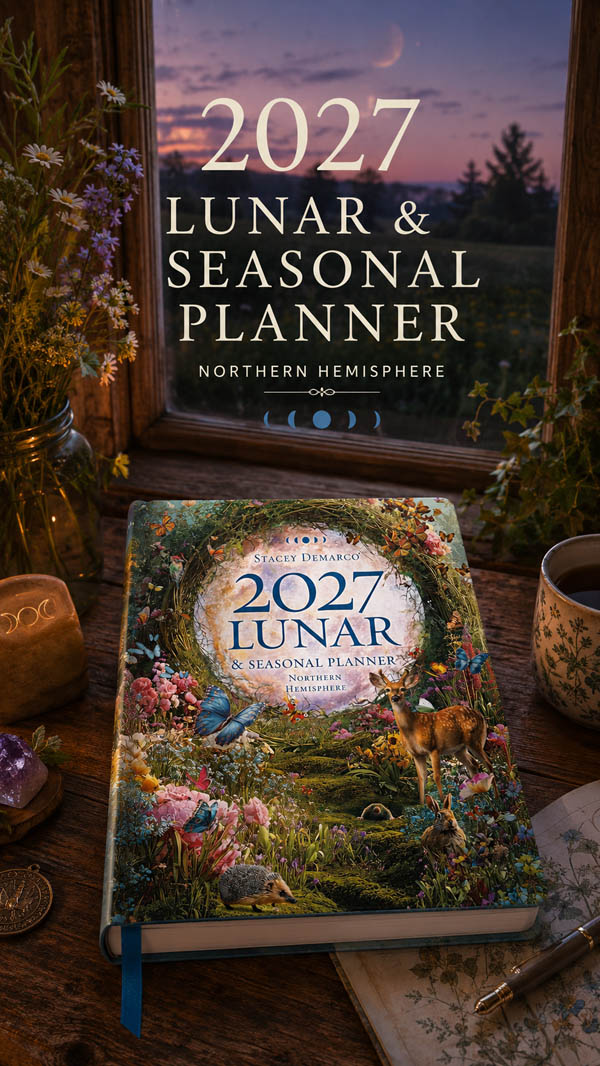
Planting by the moon can add rhythm and reflection to your gardening practice. Some gardeners follow detailed lunar systems, while others use the phases symbolically to organize intentions and seasonal tasks.
Scientific support for specific lunar planting claims remains limited, so treat moon gardening as a spiritual framework rather than a replacement for local planting calendars, frost dates, weather, and practical horticulture.
New Moon: Begin and Envision
Use the dark or new moon to plan beds, organize seeds, set intentions, begin a garden journal, or sow suitable plants when local conditions support planting.
Waxing Moon: Tend and Encourage
As visible moonlight grows, focus on development. Transplant seedlings, provide supports, refresh containers, and tend what is beginning to establish itself.
Full Moon: Observe and Celebrate
Walk through the garden at dusk, photograph what is blooming, gather herbs that are ready, or share a meal made with something you have grown.
Waning Moon: Prune and Release
Turn toward clearing and restoration. Weed, prune when seasonally appropriate, remove diseased material, clean tools, and reconsider what is no longer working.
For a deeper exploration of timing and tradition, visit this guide to working with the lunar cycle in the garden.
Follow the Wheel of the Year
The eight sabbats can help you notice seasonal thresholds: returning light at Imbolc, spring balance at Ostara, summer abundance at Litha, the first harvest at Lammas, and the inward hush of Yule.
Rather than forcing a traditional calendar onto your climate, observe what the land is actually doing. Spring may arrive early, late, or in several false starts. Your own bioregion is part of the teaching.
Explore this relationship through seasonal gardening with the Wheel of the Year.

Step 7: Tend and Harvest as Sacred Practice
A garden is not made magical during one beautiful afternoon of planting. Its character develops through repeated care.
Watering, mulching, pruning, turning compost, checking leaves for pests, and pulling weeds can all become simple rituals of attention. You do not need special words. Your presence is enough.
Simple Garden Practices for Everyday Magic
- Pause at the garden entrance and take three slow breaths
- Touch the soil before deciding whether it needs water
- Thank rain instead of treating it only as an inconvenience
- Learn the names of visiting birds, insects, and volunteer plants
- Return healthy plant material to the compost
- Keep a seasonal journal of blooms, harvests, weather, and feelings
- Spend five minutes observing without trying to fix anything
Small, repeated practices often shape a spiritual path more deeply than occasional elaborate rituals. These brief daily Green Witch rituals can help you carry the same attention beyond the garden gate.

Harvest with Gratitude and Restraint
Harvest when plants are correctly identified, healthy, and ready. Use clean tools, take only what you need, and leave enough flowers, seeds, and foliage for the plant and the creatures relying upon it.
You might pause before cutting and offer a word of gratitude. This does not need to be theatrical. A simple acknowledgment can shift harvesting from taking into relationship.
Your harvest may be used to:
- Prepare culinary herbs and teas known to be safe for you
- Create wreaths, sachets, and seasonal decorations
- Make altar arrangements or press flowers into a journal
- Save seeds for the next growing season
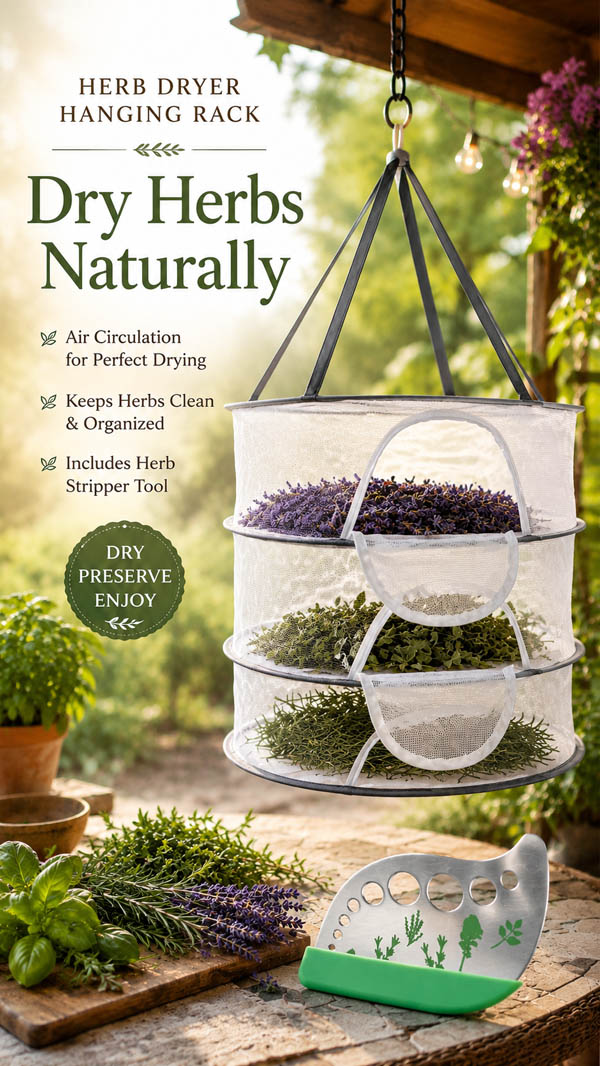
- Dry herbs for incense, crafts, or future ritual work
- Share produce and flowers with friends or neighbors
Correct drying and storage protect both quality and safety. Follow this guide to preserving herbs after a mindful harvest.

How to Keep Your Green Witch’s Garden Energetically Alive
The energy of a garden is not maintained by constantly cleansing it. Fallen leaves, tangled stems, fungi, insects, and decay are not signs of spiritual failure. They are part of a functioning ecosystem.
Instead of trying to make the garden feel permanently high vibration, allow it to be alive, complex, and seasonal.
You can refresh your connection with the space by:
- Ringing a small bell or singing softly
- Sitting beneath the moon without performing a formal ritual
- Cleaning and oiling garden tools
- Refreshing water for birds and pollinators
- Removing litter or materials that could harm animals
- Adding finished compost to the soil
- Writing down what the garden seems to be teaching you
Crystals may be included if they are meaningful to you, but they do not need to be buried beside plants. Some minerals can fade, fracture, or dissolve outdoors, so a sheltered altar is often the better home for them.

How to Create a Small Green Witch Garden
A balcony garden or windowsill can hold every element of a larger sanctuary in miniature.
Earth is present in the potting soil. Water arrives through your watering can. Fire shines through the window as sunlight. Air moves around leaves and carries their fragrance. Spirit appears in the attention you offer.
For a simple small-space garden, begin with:
- One culinary herb you use often
- One fragrant or flowering plant
- One native container plant for pollinators, where suitable
- A shallow dish of water maintained safely
- A chair, cushion, or clear place to pause
- A small seasonal object or altar stone
Choose containers with drainage holes and learn each plant’s mature size before placing several species together. Lavender and rosemary generally prefer drier conditions, while basil may need more consistent moisture.
Plants are better companions when their physical needs agree, not merely when their magical meanings sound harmonious.

Common Green Witch Garden Mistakes to Avoid
Choosing Symbolism Over Growing Conditions
A plant associated with moon magic still needs appropriate light, water, soil, and temperature. Begin with what your space can support.
Planting Too Much at Once
A crowded new garden can quickly become exhausting. Start with a manageable bed or several containers and expand as your confidence grows.
Using Plants Without Research
Some traditional magical plants are poisonous, irritating, invasive, or unsafe around pets and children. Learn the botany as well as the folklore.
Treating Wildlife as Decoration
Inviting pollinators means supporting their needs. Grow suitable plants, avoid unnecessary pesticides, provide shelter, and keep water features clean.
Expecting the Garden to Look Enchanted Every Day
Gardens have awkward seasons. Leaves yellow. Flowers fade. Caterpillars chew holes. Heat arrives. Winter empties the beds.
The changing face of the garden is not an interruption of its magic. It is the magic.
Frequently Asked Questions
Do I need a large yard to create a Green Witch’s garden?
No. A Green Witch’s garden can grow in containers, window boxes, raised beds, a shared community plot, or several indoor pots. The practice is shaped by relationship and intention rather than acreage.
What are the best plants for a Green Witch garden?
Basil, rosemary, common garden sage, thyme, container-grown mint, calendula, and regionally appropriate native flowers are approachable choices for many beginners. The best plants depend on your climate, available light, pets, and how you plan to use them.
Can I create a magical garden without practicing Wicca?
Yes. Green Witchcraft and Wicca overlap for some people, but they are not identical. You can create a nature-centered garden whether your path is Wiccan, eclectic, secular, animist, Christian, pagan, or simply rooted in personal reverence for nature.
Does planting by the moon make plants grow better?
Lunar gardening has a long history as a traditional and spiritual practice, but scientific support for many specific planting claims remains limited. Use it alongside local weather, frost dates, soil conditions, and established gardening guidance.
Do I need a garden altar?
No. The garden itself can be the altar. A dedicated stone, seat, tree, or bowl of water may help focus your attention, but no special object is required.
Can I use herbs from my magical garden medicinally?
Only after identifying them correctly and researching safety, dosage, contraindications, allergies, and medication interactions through qualified sources. A magical correspondence does not establish medicinal safety.

Your Garden Is Allowed to Begin Small
To create a Green Witch’s garden is to make room for relationship.
You are building a place where roots disappear into darkness before new life rises. You are learning when to water and when to wait. You are watching abundance become seed, seed become stillness, and stillness become another beginning.
Your garden does not need to look like anyone else’s sanctuary. It does not need an elaborate altar, rare herbs, or a gate tangled with roses. It only needs a beginning that you can care for.
Plant one herb. Fill one birdbath. Learn the name of one visiting bee. Sit outside long enough to notice where the evening light lands.
Then return tomorrow.
Every garden begins in the same mysterious way: with something small entrusted to the dark.
A Green Witch’s garden is never truly finished. It grows beside you, responding to weather, loss, attention, neglect, renewal, and time. As you tend it, you may discover that the sanctuary you hoped to create around yourself has also been quietly taking root within you.
🛠️ Sacred Practices to Maintain Your Garden’s Energy
Your magical garden needs spiritual upkeep just like any altar. Maintaining the energy in your Green Witches Garden will help your witch garden plants flourish both physically and energetically.
Ways to care for your garden’s spirit:
- Smudge or ring bells to cleanse stagnant energy
- Place moon-charged crystals near plant roots
- Offer compost as a sacred return to Earth
- Journal or meditate in your garden often
If you align your maintenance practices with planting by the moon, your garden will remain not just healthy, but profoundly magical.
Affliliate Link

View this soothing meadow printed journal →
Additional Reading: Ethical Foraging and Sustainability