Lavender changes at the edge of harvest. The flower spikes deepen in color, the lower buds begin to open, and the morning air carries a fragrance that seems warmer than it did only a week before. Bees move through the remaining blooms while the stems stand ready between the living garden and whatever comes next.
Learning how to dry lavender begins before the stems are cut. The health of the plant, the stage of bloom, the weather, the size of the bundles, and the purpose of the finished lavender all influence its color, fragrance, cleanliness, and shelf life.
A beautiful harvest is not simply a matter of cutting every purple stem at once. Some lavender may be gathered for tea, provided the variety and growing practices are appropriate. Some may become sachets, seasonal crafts, altar bundles, or materials for home blessings. Some flowers should remain where they are, feeding bees and continuing the plant’s work in the garden.
This guide explains how to harvest lavender without damaging the plant, how to air-dry lavender bundles, how to use a rack or dehydrator when needed, how to remove the dried buds, and how to store lavender safely according to its intended use.
If your plant is still young, struggling, or newly established, begin with the complete guide to growing healthy lavender in a Green Witch garden. A strong harvest begins with a plant that has enough growth to share.
Quick Answer: How Do You Harvest and Dry Lavender?
- Choose healthy flower stems on a dry day after the morning dew has evaporated.
- Harvest at the bloom stage that suits your intended use, usually while the buds are richly colored and only some flowers have opened.
- Cut stems from green, leafy growth rather than deep into old bare wood.
- Gather the stems into small, loose bundles.
- Hang them upside down in a dry, low-light place with good airflow.
- Wait until the flowers feel crisp and the small stems snap rather than bend.
- Store fully dried lavender in a labeled airtight container away from light, heat, and moisture.
The central rule is simple: harvest dry material, dry it gently, and never seal lavender in a container until every trace of moisture is gone.
Before You Harvest Lavender
Harvest begins with assessment. Before taking out the shears, look at the whole plant. Is it established, actively growing, and holding enough healthy foliage to recover? Are the stems clean and free from visible disease? Has the plant been stressed by transplanting, drought, waterlogged soil, or winter damage?
A young lavender may produce flowers before it has developed a substantial root system. Those first blooms can be tempting, but a heavy harvest may remove more growth than the plant can comfortably spare. Gather lightly from young plants and allow stressed lavender to rebuild.
Identify the Lavender You Are Growing
Correct identification matters most when lavender will be used in food or tea. Common names can be inconsistent, especially with plants sold as French or Spanish lavender. The botanical name on the plant label is more dependable.
English lavender, usually labeled Lavandula angustifolia, is commonly selected for culinary use because its flavor is generally less camphorous than that of many ornamental types. Even then, use the flowers sparingly. Lavender can become bitter or overly perfumed when too much is added.
The University of Minnesota Extension includes English lavender among edible flowers, while emphasizing its strong flavor. If the cultivar is unknown, the plant came from a florist, or you cannot confirm how it was treated, reserve it for decoration or nonculinary craft use rather than tea.
Separate Culinary and Nonculinary Harvests
Lavender intended for tea or food should come from a correctly identified culinary variety grown without pesticides or treatments that are unsuitable for edible plants. It should also be gathered from a clean location, away from road dust, pet areas, contaminated runoff, and chemical spray drift.
Use separate baskets, drying surfaces, and labeled containers for:
- Culinary lavender: Verified edible lavender handled with clean, food-safe tools.
- Ritual and household lavender: Clean plant material reserved for sachets, blessings, altar work, or crafts.
- Decorative lavender: Stems intended only for wreaths, arrangements, or display.
Never assume that a nursery plant, florist bouquet, roadside lavender, or commercially treated ornamental stem is safe to consume.

When to Harvest Lavender
The best time to harvest lavender depends on what you plan to do with it. Stems gathered for loose dried buds may be cut at a slightly different stage than flowers intended for a fresh arrangement. There is no single perfect moment for every use.
The Best Bloom Stage for Drying
For most dried lavender, look for flower spikes with full, richly colored buds and only the first lower flowers beginning to open. Harvesting before the entire spike is fully open generally helps preserve color, fragrance, and the buds themselves.
Fully opened or fading flowers can still be dried, but they may look paler and release their buds more readily. This is not necessarily a problem for loose sachet material, but it may matter when you want tidy decorative bundles.
| Intended Use | Useful Harvest Stage |
|---|---|
| Culinary buds and tea | Buds fully colored, just before or as the first flowers open |
| Loose buds for sachets | Early bloom before the spikes begin fading |
| Decorative bundles | Early bloom while stems are straight and color is strong |
| Fresh display | More flowers may be open, depending on the desired appearance |

The Best Time of Day
Choose a dry day and wait until morning dew has evaporated. The stems should feel dry before they are placed in a basket or tied into bundles. Harvesting immediately after rain adds surface moisture and can slow drying.
Late morning is often a useful window: the dew has lifted, but the stems have not yet spent hours beneath intense afternoon heat. Climate matters, so let the actual condition of the plant guide you more than the clock.
Leave Flowers for Pollinators
Harvest selectively rather than stripping the entire plant. Move around the lavender, taking healthy stems from several areas so its shape remains balanced. Leave open flowers for bees and other insects, especially if few other plants are blooming nearby.
The Green Witch guide to supporting bees offers additional ideas for creating a longer season of food, water, and habitat.
Tools for Harvesting and Drying Lavender
You do not need elaborate equipment. Clean tools and a suitable drying place matter more than an impressive collection of supplies.
- Clean, sharp garden scissors or bypass pruners
- A clean basket or shallow harvest tray
- Cotton twine or rubber bands
- A drying rack, hooks, or a length of sturdy string
- Paper or a clean cloth to catch falling buds
- A clean bowl and fine sieve
- Airtight glass jars or food-safe containers
- Labels and a permanent marker
Rubber bands are useful because they contract around the stems as the bundle shrinks. Twine works well too, but the knot may need to be tightened if stems begin slipping.

How to Harvest Lavender Without Damaging the Plant
The safest place to cut is within green, leafy growth. Follow the flower stem down until you reach foliage, then make the cut without descending deeply into bare woody branches.
Lavender does not reliably regrow from every section of old wood. A generous harvest should never remove the entire leafy framework or leave the plant as a collection of exposed brown stems.
Harvesting Lavender Step by Step
- Choose healthy, dry flower stems. Avoid stems that are spotted, wilted, moldy, or heavily damaged by insects.
- Confirm the bloom stage. Decide whether you are gathering for culinary buds, sachets, decorative bundles, or another purpose.
- Gather a small handful. Hold the stems loosely so the flowers are not crushed.
- Follow the stems to green growth. Look for healthy leaves beneath the flower stalks.
- Cut with clean shears. Leave green foliage on the plant and avoid old bare wood.
- Place stems loosely in the basket. Do not compress them into a hot, damp pile.
- Harvest selectively. Move around the plant and leave flowers for pollinators.
- Bring the harvest inside promptly. Do not leave cut lavender baking in a closed car or direct sun.
Pruning and Harvesting Are Different
Pruning maintains the plant; harvesting removes stems for use. The two may overlap slightly, but they are not the same task. A harvest should not become an excuse to cut deeply into an old, woody plant.

A Gentle Green Witch Harvest Pause
Before cutting, pause long enough to notice what the plant is supporting. Bees may still be moving through the flowers. New shoots may be developing beneath the stems you intend to gather. The plant may be abundant, or it may be recovering from a difficult season.
Take from healthy abundance, leave something for the wider garden, and gather with a purpose clear enough to honor what is removed.
Preparing Fresh Lavender for Drying
Sort lavender soon after harvesting. Remove brown leaves, faded flowers, damaged stems, and anything showing unusual spots or decay. Shake the bundles gently outdoors so small insects have an opportunity to leave.
Strip excess leaves from the lower portion of long stems. This improves airflow, makes the bundles easier to tie, and leaves a cleaner finished arrangement.
Should You Wash Lavender Before Drying It?
Avoid automatically soaking every harvest. Clean homegrown lavender gathered from a protected garden may need only careful inspection and gentle shaking. Adding water increases drying time and can encourage problems when wet stems are tied too quickly.
If culinary lavender must be rinsed because of visible soil or debris, use cool water and handle the flowers gently. Spread the stems on clean towels or a drying screen until all surface moisture is gone before bundling them.
Never hang dripping-wet lavender in a thick bunch. The outside may appear dry while moisture remains trapped near the center.
Sort by Intended Use
Separate the harvest before drying:
- Keep long, straight stems for bundles, wreaths, and seasonal crafts.
- Set aside flowering stems that will later be stripped for loose buds.
- Keep verified culinary lavender on a clean, food-safe surface away from craft materials.
This simple separation prevents culinary buds from being mixed with stems exposed to fragrance oils, wax, smoke, paint, florist preservatives, or ritual blends not intended for consumption.

How to Dry Lavender by Hanging Bundles
Air-drying is the most traditional and accessible method for long lavender stems. It requires no special machine, but it does require dry air, low light, and enough space between bundles for moisture to escape.
Make Small Lavender Bundles
Gather roughly a small handful of stems rather than building a heavy bouquet. Large bundles can remain damp inside after the outer flowers feel dry.
Align the cut ends loosely, remove lower leaves, and secure the stems with a rubber band or twine. Leave enough room around each bundle for air to move.
Choose the Right Drying Location
The ideal drying place is:
- Dry and well ventilated
- Warm without becoming intensely hot
- Protected from direct sunlight
- Away from bathroom steam and kitchen grease
- Protected from pets, dust, and outdoor weather
UC Marin Master Gardeners recommends hanging lavender in upside-down bunches in a low-light area with good air circulation. Their lavender harvest guidance reflects the same conditions that help flowers retain quality while moisture leaves the stems.

Hang the Bundles Upside Down
Suspend bundles from hooks, a rack, sturdy string, or a beam. Keep the flower heads from pressing against walls or neighboring bundles. A clean paper bag, cloth, or sheet of paper beneath them can catch loose buds.
Check every few days. Tighten slipping bundles, separate stems that feel damp, and look for any musty odor or discoloration.
Hanging upside down is useful because it keeps stems compact, allows air to reach the flowers, and helps bundles retain a tidy shape. It does not need a mystical explanation to be effective.
How Long Does Lavender Take to Dry?
Lavender often dries in about one to two weeks under favorable conditions. Small bundles in a dry, airy room may finish sooner, while cool weather or high humidity may extend the process.
Readiness matters more than the calendar. Do not store a bundle simply because seven days have passed. Check the flowers and stems carefully before sealing anything in a jar.
Other Ways to Dry Lavender
Drying Lavender on a Rack or Screen
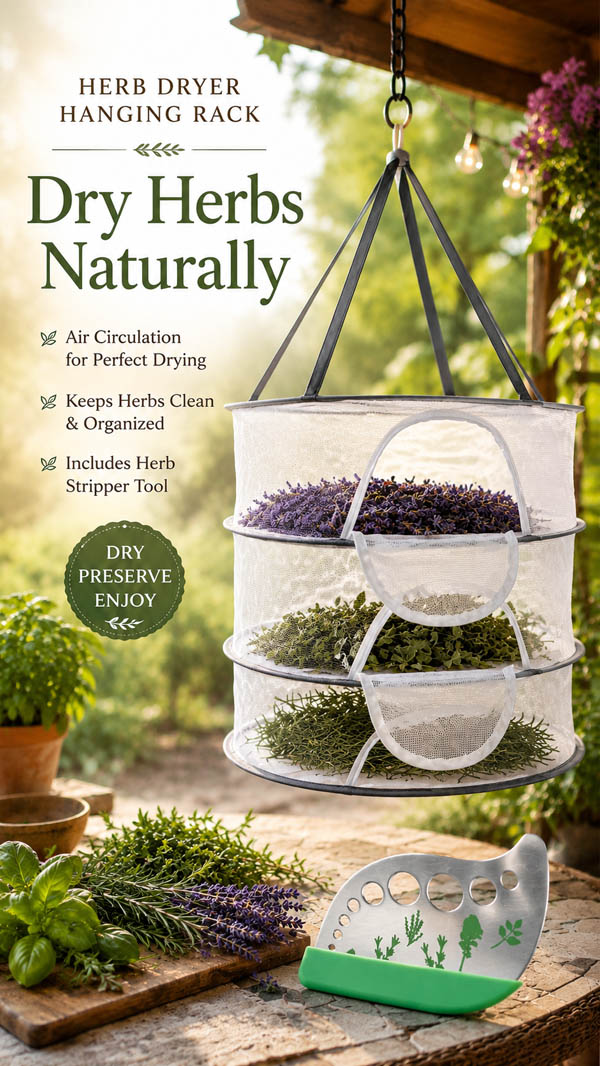
Rack drying works well for short stems, loose flower spikes, small culinary harvests, and humid climates where spreading material into a single layer improves airflow.
Arrange lavender loosely on a clean mesh screen or drying rack. Keep the material out of direct sun and protect it from dust. Turn or stir loose stems gently when needed so hidden surfaces are exposed to moving air.
Drying Lavender in a Dehydrator
A dehydrator can be helpful when natural humidity makes air-drying unreliable. Arrange the lavender in a single layer and use the lowest suitable herb setting recommended by the manufacturer.
Check frequently. Lavender flowers are delicate, and excessive heat can fade their color and flatten their fragrance. Once dry, allow the flowers to cool completely before testing or storing them.
Drying Lavender in the Oven
The oven is best treated as a backup method for small batches. Even low oven heat can be harsher than air-drying and may cause browning or fragrance loss.
Use the lowest available setting, spread the material in a single layer, and monitor it closely. Never leave drying herbs unattended. Let the lavender cool fully before deciding whether it is ready for storage.
| Method | Best For | Main Consideration |
|---|---|---|
| Hanging bundles | Long stems and decorative bunches | Requires dry air and space |
| Rack or screen | Loose buds and short stems | Needs a clean, protected surface |
| Dehydrator | Humid climates and controlled batches | Heat must remain gentle |
| Oven | Small emergency batches | Greater risk of fading and overheating |

How to Know When Lavender Is Completely Dry
Lavender must be fully dry before it enters an airtight container. Remaining moisture can create clumping, off odors, and mold.
Look for several signs:
- The buds feel crisp rather than cool, soft, or flexible.
- Small stems snap instead of bending.
- Flowers release readily when rubbed between clean fingers.
- The center of the bundle feels as dry as the outside.
- There is no sour, musty, or fermented smell.
A Simple Jar Test
Place a small amount of dried lavender in a clean jar and close it for several hours. Watch for condensation, softening, clumping, or a musty odor.
If moisture appears, remove the lavender and return it to the drying rack. The test is not a substitute for careful drying, but it can reveal moisture that was difficult to feel in the bundle.
How to Remove Lavender Buds From the Stems
Keep decorative bundles intact if their shape matters. For loose buds, work over a clean bowl, tray, or cloth so the flowers do not scatter.
- Hold a fully dried flower stem over the bowl.
- Roll or rub the flower head gently between clean fingers.
- Allow the buds to fall into the bowl.
- Repeat with the remaining stems.
- Use a fine sieve or careful hand-sorting to remove small stem pieces and debris.
Use clean, food-safe tools for culinary lavender and process it in its own dedicated workspace.

How to Store Dried Lavender
Knowing how to store dried lavender is as important as drying it correctly. Light, heat, air, and moisture gradually weaken fragrance, flavor, and color.
Choose the Right Container
Use clean airtight glass jars or suitable food-safe containers for loose buds. Culinary lavender should always have its own dedicated container. Whole decorative bundles may be wrapped loosely in paper or stored in a dry box, but open baskets offer little protection from dust and fading.
Protect Lavender From Light, Heat, and Moisture
Store dried lavender in a cool cupboard away from windows, stoves, heating vents, bathrooms, and other humid areas. A clear glass jar is convenient, but it should not sit in sunlight simply because the purple buds look beautiful on display.
Label Everything
A useful label includes:
- The plant species or cultivar
- The harvest date
- The drying date
- The intended use
- Whether the material is verified for culinary use
Clear labels prevent culinary buds from being confused with lavender reserved for crafts, ritual work, or decoration.

How Long Does Dried Lavender Last?
Properly dried and stored lavender is generally best used within about a year, especially when flavor and fragrance matter. Decorative stems may remain attractive longer, but color and scent will gradually soften.
Discard lavender that becomes damp, moldy, insect-infested, or unusually odorous. No ritual, tea, or household project is improved by keeping compromised plant material.
Preparing Dried Lavender for Tea and Culinary Use
Use only correctly identified culinary lavender grown and handled for edible use. English lavender is commonly chosen, but cultivar identity and growing history matter more than flower color or fragrance alone.
Keep culinary buds in a dedicated labeled jar and use clean spoons when removing them. Lavender has a strong flavor, so begin with a very small amount. Too much can make a blend taste bitter, soapy, or medicinal.
Dried culinary buds may be infused alone or blended with other food-safe herbs, but this article does not offer medicinal dosing or treatment advice. Anyone with allergies, health conditions, pregnancy concerns, or medication questions should seek appropriate professional guidance before using unfamiliar herbs internally.
Keep the Culinary Jar Separate
Do not ingest lavender that was dried only for decoration or stored with altar herbs, incense ingredients, wax, fragrance oil, or craft supplies.

Preparing Lavender for Rituals and Home Blessings
Dried lavender can be stored as whole bundles, loose buds, sachet material, wreath stems, seasonal altar material, or ingredients reserved for home-blessing work. The form you preserve should match the way you hope to use it.
- Keep long stems intact for bundles, wreaths, and hanging decorations.
- Store loose buds for sachets, bowls, charms, or carefully prepared blends.
- Set aside small, attractive flower heads for seasonal crafts and altar arrangements.
Readers exploring the symbolism behind these choices can visit the guide to lavender’s spiritual meaning and traditional Green Witch associations. For complete practices rather than preservation instructions, continue to the collection of lavender rituals for peace, protection, sleep, and home blessings.
Do not burn lavender that may have been treated with pesticides, florist preservatives, fragrance sprays, paint, or other chemicals. Before burning any dried plant material, consider ventilation, smoke sensitivity, pets, children, fire-safe containers, and local restrictions.
The broader guide to preserving herbs for magical and household use can help with other plants in the garden.
A Green Witch Approach to Harvesting Lavender
A Green Witch harvest is not measured by the size of the basket. It begins with the condition of the plant and the wider life surrounding it.
Lavender in full bloom may appear endlessly abundant, yet every stem has a role. Flowers feed insects. Leaves gather sunlight. Green growth supports the plant’s future shape. Even the stems you choose not to cut remain part of the season’s exchange.
Harvesting from abundance means taking less from young or stressed plants, leaving flowers for pollinators, and gathering only material you expect to use. It also means accepting that some years offer more than others. Weather, winter injury, drought, and the age of the plant all influence what can be taken comfortably.
A respectful harvest does not begin with what we hope to make. It begins by noticing what the living plant can comfortably give.
Reciprocity continues after cutting. Dry the harvest carefully rather than allowing it to spoil. Label it so it is used safely. Compost clean unusable stems where appropriate. Choose a purpose before gathering more than you need.
The spiritual meaning of a harvest does not depend on taking the largest or most perfect bundle. It can live in the decision to wait, the flowers left for bees, the small jar used throughout winter, and the care that prevents a living plant from becoming merely a supply shelf.
Common Lavender Harvesting and Drying Mistakes
| Problem | Likely Cause | Better Approach |
|---|---|---|
| Flowers fade or turn brown | Harvested late or dried in sun or excess heat | Harvest earlier and dry in low light |
| Bundle smells musty | Wet stems, thick bundles, or weak airflow | Separate stems and improve ventilation |
| Buds fall everywhere | Flowers were fully open or overmature | Harvest at the bud-to-early-bloom stage |
| Condensation forms in the jar | Lavender was stored too soon | Return it to the drying rack |
| Fragrance fades quickly | Heat, sunlight, air exposure, or crushing | Store airtight in a cool, dark cupboard |
Other common mistakes include cutting deeply into old wood, harvesting immediately after rain, washing stems and bundling them while wet, failing to label culinary material, using an unknown variety for tea, and removing every flower from the plant.

Frequently Asked Questions About Drying Lavender
When is the best time to harvest lavender for drying?
Harvest on a dry day after dew has evaporated, while the buds are richly colored and the first lower flowers are beginning to open. The exact stage depends on whether you want culinary buds, loose sachet material, or decorative stems.
Should lavender be harvested before or after it blooms?
For strong color and tidy dried buds, harvest just before full bloom or as the first flowers open. Fully open flowers can still be dried, but they may fade and shed more readily.
Should lavender be washed before drying?
Clean homegrown lavender may only need inspection and gentle shaking. If culinary lavender must be rinsed, allow every trace of surface moisture to evaporate before bundling it.
How long does lavender take to dry?
Small bundles often dry in one to two weeks, but humidity, temperature, airflow, and bundle size change the timing. Store it only when flowers are crisp and small stems snap.
Where is the best place to hang lavender?
Choose a dry, low-light, well-ventilated room away from bathroom steam, kitchen grease, direct sun, pets, and outdoor weather.
Does lavender need to be hung upside down?
No. Lavender can also dry on a rack or screen. Hanging is useful for long stems because it saves space, improves airflow, and helps bundles retain a tidy shape.
Can lavender be dried in a dehydrator?
Yes. Use the lowest suitable herb setting, arrange stems or buds in a single layer, and follow the manufacturer’s directions. Check frequently to avoid overheating.
Can lavender be dried in the oven?
It can, but the oven is better reserved for small backup batches. Use the lowest available heat, monitor closely, and expect a greater risk of fading or fragrance loss.
How do I preserve lavender’s purple color?
Harvest before the flowers are overmature, keep the stems out of direct sunlight, avoid excessive heat, and store the finished lavender in a dark cupboard.
How do I know lavender is fully dry?
The buds should feel crisp, small stems should snap, and the center of the bundle should feel as dry as the outside. There should be no soft texture, condensation, or musty odor.
Why does drying lavender smell musty?
The stems may have been wet, bundled too thickly, or placed in a poorly ventilated location. Separate the material immediately. Discard any lavender showing mold or persistent off odors.
How should dried lavender be stored?
Store loose buds in airtight, labeled containers in a cool, dark, dry cupboard. Keep culinary lavender separate from ritual, craft, and decorative material.
Can all lavender be used for tea?
No. Use a correctly identified culinary variety grown and handled for edible use. Reserve unknown or treated lavender for nonculinary purposes.

Final Reflection
The living lavender plant holds summer in a form that cannot be sealed in a jar. It holds sunlight moving through leaves, roots working beneath dry soil, rain arriving and leaving, and bees bending the flower stems under their weight.
Harvesting does not capture all of that. It preserves only a small part, and perhaps that is why the process deserves care.
Correct timing protects color and fragrance. A thoughtful cut protects the living plant. Slow drying allows moisture to leave without forcing the flowers through harsh heat. Careful storage keeps the harvest clean, useful, and clearly separated according to purpose.
Some stems may become tea. Others may rest in sachets, hang beside a doorway, enter a seasonal craft, or be placed quietly on an altar. Whatever their use, they begin in the same place: a rooted plant that offered more than we chose to take.
Dried lavender carries the memory of sunlight, rain, roots, and wings. Preserving it well is one final act of care for everything that helped the flower come into being.