Introduction: Imbolc Rituals as Presence, Not Performance
Imbolc rituals invite us into a quiet conversation with the season itself. Across cultures and spiritual traditions, rituals have always served as a way to slow down, mark transitions, and bring awareness to what is unfolding—whether through prayer, meditation, ceremony, or simple acts of care. Imbolc arrives during a subtle threshold, when winter has not yet released its grip, yet the promise of spring can be felt beneath the surface. These rituals are not about elaborate tools or rigid beliefs. They are about appreciation, intention, and noticing the return of light in both the land and ourselves. While this guide is rooted in green witchcraft and earth‑based spirituality, Imbolc rituals are open to anyone who feels called to honor the natural cycles of life.
The Spiritual Meaning of Imbolc in the Wheel of the Year
Imbolc sits halfway between the Winter Solstice and the Spring Equinox, making it a deeply liminal sabbat. Traditionally associated with Brigid, fire, wells, fertility, and inspiration, Imbolc represents what is becoming rather than what has already bloomed.
Imbolc as a Season of Potential
- Honoring seeds beneath frozen soil
- Recognizing quiet growth
- Trusting unseen processes
Why Ritual Matters at Imbolc
Ritual at this time of year helps us tend hope gently. Rather than forcing change, Imbolc rituals teach patience, attentiveness, and faith in slow cycles.
Preparing for Imbolc Rituals (Without Perfection)
One of the most common misconceptions about ritual is that it must be elaborate or aesthetic. Imbolc gently asks us to release that pressure.
Creating Sacred Space Simply
-
Tidying a small area
-
Opening a window briefly
-
Placing a single candle or natural object
Tools Are Optional, Presence Is Not
A ritual can be as simple as a breath taken with intention. What matters most is awareness.

Hearth & Home Imbolc Rituals
The hearth—whether literal or symbolic—is central to Imbolc. Traditionally, the hearth was the heart of the home: a place of warmth, nourishment, storytelling, and protection during the coldest weeks of the year. Even in modern homes without a fireplace, the spirit of the hearth lives on wherever we prepare food, gather, or tend daily comforts. Imbolc hearth rituals honor this quiet center, reminding us that renewal often begins in the most ordinary places.
Hearth Cleansing Ritual
This gentle ritual focuses on clearing stagnant winter energy while expressing gratitude for the shelter that has held you through the darker months.
- Light a single candle, oil lamp, or turn on a soft light near your kitchen or living space. Let this light represent the returning sun and the warmth slowly building beneath winter’s surface.
- Sweep the floor, wipe counters, or tidy a small area with mindful attention. As you clean, imagine heaviness lifting and space being made for new beginnings.
- Pause when finished and speak words of gratitude—out loud or silently—for warmth, safety, and the unseen support your home provides.
This ritual does not need to be perfect or thorough. Even a few intentional minutes can shift the energy of a space.
Kitchen Rituals for Nourishment
At Imbolc, nourishment is both physical and spiritual. The kitchen becomes a living altar where simple acts of care transform into ritual.
- Stir intentions into soup, tea, or porridge as it simmers. Let each slow rotation of the spoon carry a quiet wish for health, creativity, patience, or hope.
- Bake bread, muffins, or simple flatbreads while reflecting on what truly sustains you—beyond food alone. Consider rest, community, creativity, or kindness as forms of nourishment.
As you eat, do so mindfully. Imbolc reminds us that tending the body is inseparable from tending the spirit.

Imbolc Candle & Fire Rituals
Fire at Imbolc symbolizes inspiration, warmth, protection, and the slow return of the sun. Unlike the blazing fires of Beltane or the peak light of Litha, Imbolc fire is gentle and contained. It reminds us that renewal begins as a spark, not a blaze. Candle and fire rituals at this sabbat invite quiet focus, inner illumination, and trust in gradual change.
One‑Candle Intention Ritual
This simple ritual centers on presence rather than outcome, making it ideal for both seasoned practitioners and those new to seasonal rituals.
- Choose a single candle—white for clarity and renewal, or natural beeswax for warmth and connection to the living world.
- Sit comfortably and light the candle, taking a few slow breaths as you settle into stillness.
- Gaze softly at the flame. Notice its movement, its steadiness, and how it responds to even subtle shifts in the air.
- When ready, name aloud or silently one thing you are nurturing this year. This may be a goal, a healing process, a relationship, or a quality such as patience or courage.
- Allow the candle to burn for a few minutes as you imagine this intention slowly gathering strength, just as daylight increases after Imbolc.
There is no need to force visualization or emotion. Simply witnessing the flame is enough.
Fire Ritual Variations for Modern Living
Not every home or lifestyle allows for open flame, yet the spirit of fire can still be honored.
- Fireplace Meditation: Sit near a hearth or stove and reflect on how warmth sustains life through winter.
- Outdoor Fire Bowl Ritual: If weather and space allow, light a small fire outdoors and offer dried herbs or written intentions to the flame.
- Battery or LED Candle Ritual: In shared or flame‑restricted spaces, a soft electric candle can still serve as a focal point for intention and reflection.
What matters is not the fire itself, but the awareness you bring to it.
Journal Prompt: Where is light slowly returning in my life, even if I can’t fully see it yet?

Water & Well Rituals Honoring Brigid
Water rituals at Imbolc focus on cleansing, blessing, healing, and renewal. In many traditions, Imbolc is closely linked to sacred wells and springs, particularly those associated with Brigid, whose presence bridges water and fire, devotion and daily life. At this turning point of the year, water becomes a quiet teacher—reminding us that change often comes through soft persistence rather than force.
Simple Water Blessing
This ritual is ideal for moments when you crave clarity or emotional release.
- Fill a bowl or cup with clean water.
- Wash your hands slowly, paying attention to the temperature and sensation.
- As the water flows, visualize stagnant or heavy energy gently dissolving and moving away.
- Finish by pressing your hands together and offering a moment of thanks for renewal.
This blessing can be done at a sink, beside a bath, or even outdoors if weather allows.
Brigid’s Well Reflection Ritual
Inspired by traditional well-visiting practices, this ritual honors insight and inner wisdom.
- Sit quietly with a bowl of water or near a natural water source.
- Gaze into the surface and reflect on a question or intention for the coming season.
- Rather than seeking answers, allow impressions, feelings, or symbols to arise naturally.
Deeper Insight into Goddess Brigid
Garden & Tool Blessing
As the first stirrings of the growing season approach, this ritual prepares you for mindful tending.
- Lightly sprinkle garden tools, seed trays, or pots with water.
- Speak gratitude for future growth, cooperation with the land, and lessons yet to come.
- If you garden with intention, you may name qualities you hope to cultivate alongside your plants—patience, resilience, or care.
Moon-Touched Water Ritual
If Imbolc coincides with a visible moon phase, place a jar of water near a window overnight.
- In the morning, use this water to bless your home, water houseplants, or cleanse your hands.
- This practice blends lunar awareness with seasonal renewal.
Bath or Shower Renewal Ritual
For those drawn to embodied ritual, bathing can become a sacred act.
- Before entering the water, set a simple intention for release or renewal.
- As you bathe, imagine winter heaviness washing away, making room for gentler energy.
- End by standing quietly for a moment, noticing how your body feels supported and refreshed.
Offering Ritual to the Waters
This ritual emphasizes reciprocity rather than extraction.
- Offer a whispered blessing, song, or moment of gratitude to water.
- If outdoors, ensure offerings are biodegradable and respectful.
- Acknowledge water not only as a spiritual symbol, but as a living, sustaining force.

Seed, Soil & Garden‑Based Imbolc Rituals
Green witches often feel Imbolc most deeply through the earth itself. This sabbat speaks in the language of soil, roots, and waiting. While little may be visible above ground, life is quietly organizing below the surface. Seed and soil rituals at Imbolc invite patience, trust, and an intimate relationship with cycles that cannot be rushed.
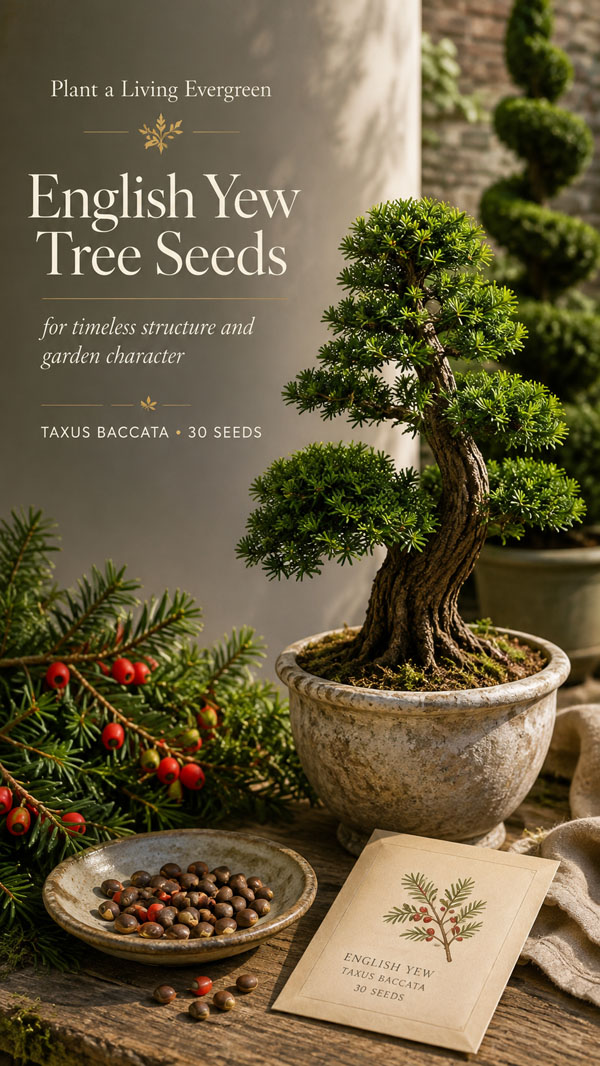
Seed Holding Ritual
This ritual honors beginnings that are still fragile and unseen.
- Hold seeds, bulbs, or a mall handful of soil in your palms.
- Close your eyes and feel their weight, texture, and potential.
- Speak intentions softly—either aloud or inwardly—naming what you are willing to nurture over time.
- Return the seeds or soil to the earth, a pot, or a small container, trusting the process rather than the outcome.
This ritual can be repeated throughout the season whenever patience feels thin.
Soil Touching & Grounding Ritual
For those craving reconnection after winter’s isolation:
-
Press your hands gently into soil or compost.
-
Breathe slowly and imagine your energy settling and stabilizing.
-
Acknowledge the unseen work happening beneath the surface—both in the land and within yourself.
Indoor Garden Blessing
Indoor plants become powerful allies at Imbolc.
-
Light a candle nearby and thank each plant for its presence through winter.
-
Gently wipe leaves or refresh soil with care.
-
If starting seedlings, name one intention for each tray or pot.
Seed Starting with Intention
When planting seeds indoors:
-
Pause before covering seeds with soil.
-
Reflect on timing, patience, and trust.
-
Consider how tending seedlings mirrors tending long-term goals or healing.
Compost & Renewal Ritual
Compost embodies transformation.
-
Add kitchen scraps or garden waste mindfully.
-
Thank what is breaking down so new life can emerge.
-
Reflect on what you are ready to release in order to nourish future growth.
Outdoor Earth Offering (Weather Permitting)
If conditions allow:
-
Touch bare soil or snow-covered ground.
-
Offer gratitude to the land for holding life even in dormancy.
-
Promise attentive care in the coming growing season.
Journal Prompt: What inner seed am I willing to tend patiently this year?

Simple Imbolc Rituals for Busy or Secular Lives
Ritual does not require ceremony. At its core, ritual is focused attention. These small practices honor Imbolc in ways that fit modern, full lives.
-
Morning Candle Pause: Light a candle before work and take three intentional breaths.
-
Walking Light Meditation: During a short walk, notice how daylight lingers a little longer than it did weeks ago.
-
Acts of Care as Ritual: Feeding birds, watering plants, or opening curtains can become sacred acts when done with awareness.
These rituals remind us that spirituality lives in ordinary moments.
Closing Imbolc Ritual: Gratitude for What Is Becoming
End Imbolc rituals gently, without finality or expectation. This is not a closing door, but a soft pause.
Gratitude Practice
-
Thank the season for what it has revealed.
-
Acknowledge the slow work happening beyond your awareness.
-
Release the need to know outcomes.
You may place a hand on the earth, your heart, or a candle flame as you do this.
Imbolc reminds us that life begins long before it blooms.
Imbolc Rituals Within the Wheel of the Year
As part of the Wheel of the Year, Imbolc bridges rest and action. These Imbolc rituals naturally connect with other seasonal practices such as Yule reflection rituals, Ostara renewal rites, and Beltane growth ceremonies. When read together, the sabbats tell a living story of rest, awakening, expansion, and harvest.
Final Reflection
Imbolc rituals do not ask us to rush. They ask us to notice. In honoring what is quietly forming, we align ourselves with the most ancient rhythm of all—the patient turning of the Earth.
Deep roots:
This article is informed by lived practice, seasonal observation, and oral tradition common within modern earth-based spirituality. Click below for further reading:
Works Cited & Further Reading
Berger, Helen A. A Community of Witches: Contemporary Neo-Paganism and Witchcraft in the United States. University of South Carolina Press, 1999.
Cunningham, Scott. Wicca: A Guide for the Solitary Practitioner. Llewellyn Publications, 1988.
Cunningham, Scott. Earth Power: Techniques of Natural Magic. Llewellyn Publications, 1983.
Hutton, Ronald. The Stations of the Sun: A History of the Ritual Year in Britain. Oxford University Press, 1996.
Hutton, Ronald. The Pagan Religions of the Ancient British Isles: Their Nature and Legacy. Blackwell Publishing, 1991.
McCoy, Edain. Celtic Myth and Magick. Llewellyn Publications, 1994.
Monaghan, Patricia. The Book of Celtic Myths. New Amsterdam Books, 2004.
Starhawk. The Spiral Dance: A Rebirth of the Ancient Religion of the Great Goddess. HarperOne, 1979.