Can You Be a Green Witch and a Christian? A Soulful Journey Through Faith, Nature, and 4 Shared Practices
Maybe you love the quiet of a garden just after rain, when every leaf seems brighter and the soil smells dark and alive.
Maybe you pray.
Maybe you believe in Jesus, read scripture, or still feel deeply connected to the Christian faith you grew up with. And yet, somewhere along the way, you also discovered herbs, seasonal living, moonlight, candles, sacred gardens, nature rituals, or the beautifully tangled world of Green Witchcraft.
Then comes the uncomfortable question:
Can you be a Green Witch and a Christian?
For some people, the answer comes easily. For others, it feels more like standing beside a little spiritual creek, wondering whether there is actually a bridge between the two banks.
The truthful answer is more interesting than a simple yes or no.
Some Christians believe any practice described as witchcraft is incompatible with Christianity. Some people who identify as Christian Green Witches understand their craft very differently, centering it on creation, prayer, herbs, stewardship, seasonal awareness, and reverence for God rather than worship of other deities or the pursuit of supernatural power.
And some people eventually discover that the label Green Witch does not fit their Christian beliefs, even though many nature-centered practices still feel deeply at home in their spiritual lives.
So this is not an article about telling you what you are allowed to call yourself.
It is an invitation to look beneath the labels.
Sometimes the most important spiritual question is not “Which label belongs to me?” but “What do I actually believe I am doing when I practice?”

The Short Answer: Can You Be a Green Witch and a Christian?
Yes, some people identify as both Christian and Green Witch. Whether the two paths feel compatible for you, however, depends heavily on what you mean by Green Witchcraft, what you believe about God, and which practices you choose to include.
That distinction matters.
Green Witchcraft is not a single organized religion with one creed or governing authority. For some practitioners, it is explicitly Pagan or Wiccan. For others, it is a flexible form of nature-centered spirituality. Some Green Witches work with deities, spirits, divination, or spellcraft. Others focus more heavily on gardening, herbal knowledge, seasonal rhythms, gratitude, ecological care, and ritual connection with the natural world.
If you are still sorting through what the term means, my guide to the foundations of Green Witchcraft explores the larger path in much more depth.
Christianity is diverse too. Different denominations and individual Christians approach symbolism, ritual, mysticism, saints, spiritual gifts, nature, and supernatural practices very differently.
That means two people can ask, “Can you be a Green Witch and a Christian?” while actually asking very different questions.
“Can I love Jesus, grow herbs, honor the seasons, light candles, and experience my garden as sacred?”
Another may be asking:
“Can I follow Christianity while practicing divination, invoking Pagan deities, communicating with spirits, or performing magic?”
Those questions are not spiritually identical, even if both people use the phrase Christian Green Witch.
Affliliate Link

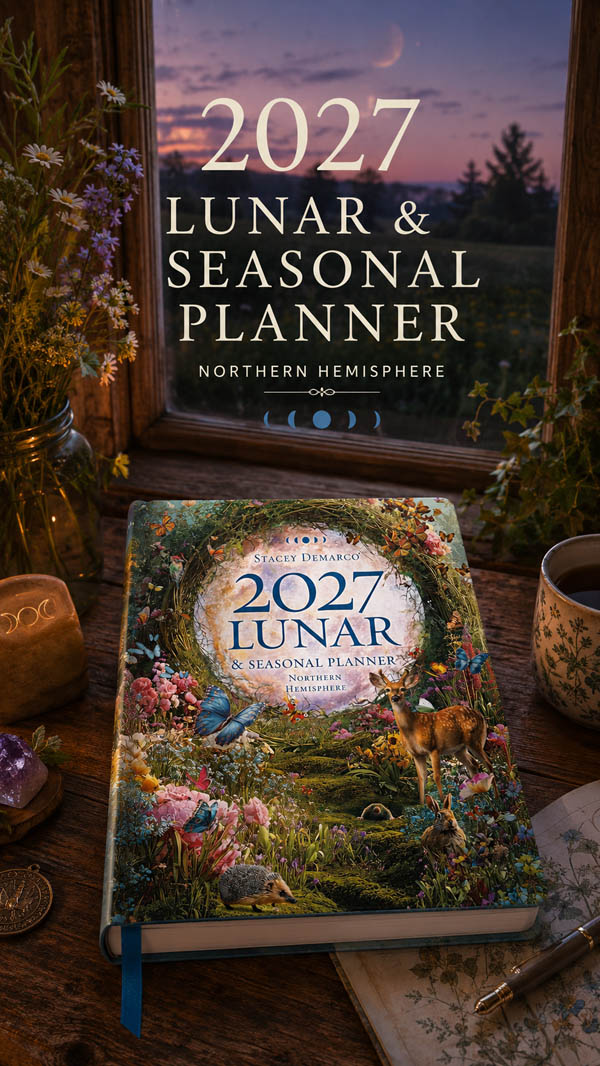
View this soothing meadow printed journal →
Why the Word “Witch” Creates So Much Tension
For many people, the conflict begins before a single candle is lit or herb is harvested.
It begins with the word witch.
Within many Christian communities, that word carries centuries of doctrine, folklore, fear, cultural memory, and associations with sorcery, divination, spirits, or turning away from God.
A modern Green Witch may hear the same word and imagine something quite different: rosemary drying beside a kitchen window, compost beneath their fingernails, a candle glowing at the changing season, moonlit walks, herbal study, and a desire to live more closely with the Earth.
Those definitions can pass each other like ships in fog.
That does not mean theological differences are imaginary. Some are very real. But it does mean that the label alone cannot tell you whether two spiritual practices are compatible.
Some Green Witches are Pagan or Wiccan. Others are animists, polytheists, pantheists, eclectic spiritual practitioners, or people who do not use a religious label at all. Still others are primarily drawn toward gardening, herbs, seasonal awareness, folklore, environmental stewardship, and ritual relationship with nature.
Before deciding whether Christianity and Green Witchcraft can coexist, it helps to look at what is actually happening beneath the vocabulary.
And interestingly, some of the outward practices can look surprisingly familiar.

4 Shared Practices in Christianity and Green Witchcraft
This is where the conversation becomes more tangible.
Christianity and Green Witchcraft are distinct spiritual traditions, yet certain outward practices can resemble one another. The meaning behind them may be different, and that distinction is important, but the similarities help explain why some Christians feel unexpectedly comfortable with parts of a Green Witch path.
Shared practices do not necessarily carry shared theology.
Across spiritual traditions, people have reached for many of the same earthly things when they want to become quiet and attentive: flame, fragrance, gardens, herbs, changing seasons, and the living world around them.
1. Incense, Herbs, and Fragrant Smoke
Fragrant plants and resins have a long history in religious life.
Incense appears throughout biblical and Christian traditions, where fragrance and rising smoke can accompany prayer, worship, blessing, and sacred space.
Green Witchcraft also has a long relationship with aromatic herbs and resins. They may be burned during ritual, used symbolically for cleansing, or chosen because of traditional magical or spiritual associations.
A Christian Green Witch might burn frankincense, rosemary, cedar, or another appropriate plant while praying, treating the fragrance as a sensory reminder that an ordinary moment has been set apart.
Another Green Witch may understand the smoke as energetically cleansing the room.
The plant is the same. The theology surrounding it may not be.
If you use herbal smoke, it is also worth being careful with language. Smudging refers to specific ceremonial traditions among Indigenous peoples and is not simply another name for every type of smoke cleansing. Terms such as burning herbs, incense, or smoke cleansing are usually more appropriate for personal practices outside those traditions.
And the practical world still matters. Harvest responsibly, learn where your plants came from, ventilate indoor spaces, and consider pets or respiratory sensitivities.
Spiritual reverence works beautifully beside common sense.

2. Anointing Oils and Herbal Preparations
Anointing with oil has deep roots in biblical and Christian tradition. Oil may be associated with blessing, consecration, prayer, healing, or setting something apart for sacred purpose.
Green Witchcraft also makes use of oils and herbs. Plants may be infused into carrier oils and incorporated into ritual, body care, seasonal observances, or symbolic practices.
A Christian who works with herbs might create a simple infused oil while praying over the process, not because rosemary or lavender has replaced God, but because working with the plant becomes part of the prayer.
There is something wonderfully grounding about spirituality that involves our hands: pouring, stirring, planting, waiting.
Not every sacred moment needs thunder from the heavens. Sometimes it smells faintly of rosemary.
For the practical side of gathering and preserving plant material, my guide to harvesting and preserving herbs for spiritual practice goes much deeper without turning this article into another herbal guide.
3. Candles in Prayer and Ritual
A candle may be one of the clearest examples of an object shared across spiritual traditions while carrying very different meanings.
Christians have long lit candles during prayer, worship, remembrance, vigils, and devotional practice. Light itself is a powerful Christian symbol.
Green Witches may use candles during meditation, elemental practice, intention setting, seasonal rituals, or spellwork.
A Christian Green Witch might light one before scripture reading, prayer, journaling, or quiet reflection in the garden. Another practitioner might work with candle colors, magical correspondences, or a specific spell intention.
Neither use can be understood simply by looking at the flame.
The wax has no interest in the argument.
The meaning comes from the practice surrounding it.
Affliliate Links - Article Continues Below

Natural Beeswax Candles→

Beeswax Votive Candles →

Explore the colors of these Votive Candle Holders →

3 Wick Scented Beeswax Candles →
4. Sacred Gardens and Seasonal Awareness
This may be the gentlest bridge between the two paths.
Gardens have long appeared in Christian spiritual life through monastery gardens, churchyards, prayer gardens, biblical gardens, memorial gardens, and humble family plots tended with gratitude.
Green Witchcraft also treats the garden as something more than landscaping.
A garden can become teacher, sanctuary, pantry, apothecary, wildlife refuge, seasonal calendar, and sacred space all at once.
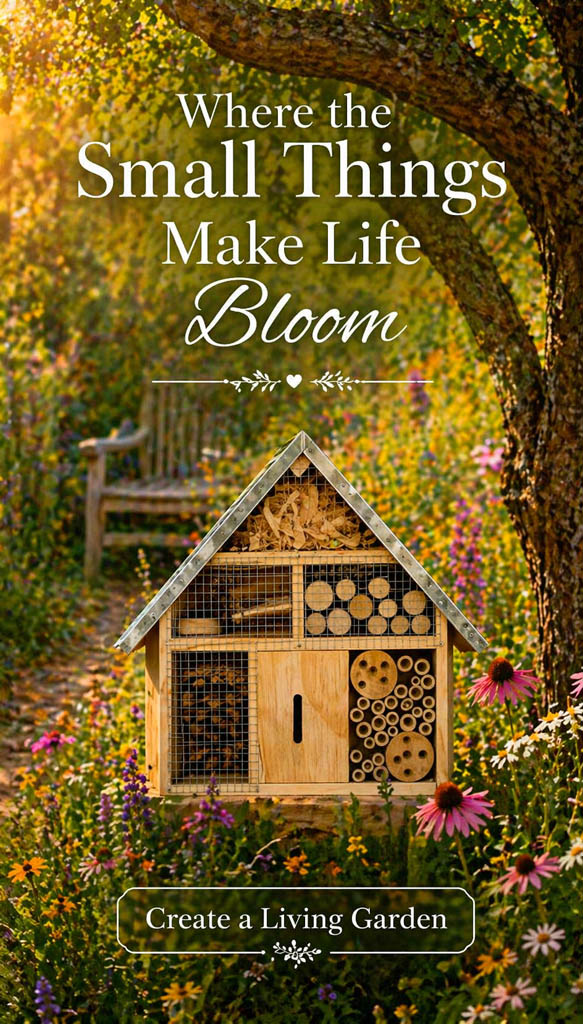
A Christian Green Witch might grow biblical plants, culinary herbs, native flowers, vegetables, medicinal plants, or herbs used in personal ritual. Planting might begin with prayer. Harvest may be accompanied by gratitude. Composting can become an act of stewardship. A quiet bench may become the place where scripture and birdsong meet.
If you want the practical garden-building side of this path, my guide to creating an intentional Green Witch garden explores the plants, layout, and sacred-space ideas more fully.
Seasonal awareness fits naturally here too.
Many Christian traditions already move through sacred cycles such as Advent, Christmas, Lent, Easter, Pentecost, feast days, and other parts of the liturgical year. Nature has its own visible rhythms of dormancy, germination, flowering, fruiting, harvest, and return.
Some Christian Green Witches also feel drawn to the Wheel of the Year. Others prefer simply to notice the seasons without adopting Pagan festivals. Either way, the turning year can become an invitation to pay closer attention.
You can explore the traditional Green Witch and Pagan meanings separately in my guide to the eight seasonal Sabbats.

Where Faith and Green Witchcraft Meet, and Where They Differ
The shared practices are beautiful, but they are only part of the story.
If you are trying to blend Christianity and Green Witchcraft honestly, one of the most useful questions is not simply what am I doing?
It is:
What do I believe is happening when I do it?
Christianity Has a Deep Relationship With Nature
For Christians who love the natural world, biblical imagery offers no shortage of soil, water, trees, animals, harvests, wilderness, weather, vines, seeds, birds, flowers, sun, and moon.
Genesis describes creation as good. Psalm 24 speaks of the Earth as belonging to God. Psalm 104 spills across the page with springs, mountains, trees, animals, moonlight, sunlight, and the rhythms through which life is sustained.
Jesus repeatedly used seeds, soil, vines, birds, lilies, wheat, trees, water, weather, and harvests to teach spiritual truths.
Christianity does not require indifference toward nature.
A garden does not have to replace a sanctuary to become a place where you pray.
A Christian relationship with creation can become profoundly intimate when the natural world is experienced not as spiritual competition, but as part of the world God created.
This can lead naturally toward gardening, herbal study, environmental stewardship, contemplative walks, seasonal awareness, and sacred attention to ordinary encounters with plants and animals.
For me, this is where nature spirituality becomes most meaningful when it grows roots in actual care. My guide to earth-conscious Green Witchcraft looks more closely at that relationship between reverence and responsibility.
Christianity Also Contains Warnings About Magical Practices
The Bible also contains passages warning against divination, sorcery, mediums, attempts to communicate with the dead, and other spiritual practices. Deuteronomy 18:10-12 is one of the passages commonly referenced in Christian discussions of witchcraft.
Christians differ in how they understand the historical context and modern application of these passages, but it would be misleading to pretend that the tension does not exist.
This is where specificity becomes important.
Growing rosemary is not divination. Watching the moon rise is not automatically astrology. Lighting a candle is not automatically spellcraft. Making tea from a familiar culinary herb is not sorcery. Planting flowers for pollinators is not worshipping nature.
Yet any object or activity can take on a particular spiritual meaning through the beliefs surrounding it.
The useful question becomes less about whether something looks witchy and more about what you understand yourself to be doing.

Creator and Creation May Be the Most Important Distinction
Many forms of Green Witchcraft describe the Earth, plants, animals, elements, forests, rivers, stones, or celestial bodies as sacred.
Christianity traditionally maintains a distinction between Creator and creation.
A Christian may consider the Earth sacred in the sense that it belongs to God, reflects divine creativity, and deserves love and protection without believing the Earth itself is God.
Another Green Witch may understand divinity as present within nature itself or may experience individual plants, places, or elements as spiritual beings.
Neither person needs to pretend those beliefs are identical.
Do I mean creation deserves care because it came from God?
Do I experience God through creation?
Do I believe nature itself contains divine consciousness?
Do I understand plants or elements as spiritual beings?
Am I using natural objects as symbols during prayer and reflection?
These questions do not require hurried answers.
Spiritual clarity often grows more like a perennial than a radish.

Where Christianity and Green Witchcraft May Truly Conflict
Some differences cannot be resolved simply by noticing that both traditions use herbs or candles.
Depending on your understanding of Christianity, certain Green Witch practices may represent genuine spiritual boundaries.
Divination
Divination is one of the clearest areas of concern for many Christians.
Tarot, pendulums, scrying, some forms of astrology, spirit communication, and other attempts to obtain hidden knowledge can carry very different meanings depending on the spiritual framework surrounding them.
Some Green Witches use divination regularly. Many Christians avoid it because they understand biblical teachings to prohibit seeking supernatural guidance through such methods. Others may use cards purely as prompts for journaling or personal reflection rather than fortune-telling.
If divination interests you, this is an area worth examining honestly rather than simply changing the vocabulary around the practice.
Ask yourself what you believe is providing the answer.
If you want to explore this from a distinctly Green Witch perspective, I discuss plant communication and divination separately.
Working With Other Deities or Spirits
Some forms of Green Witchcraft include devotion to goddesses, gods, land spirits, ancestors, or other spiritual beings.
For a Christian committed to worshipping God alone, this may represent a direct boundary rather than an area that can easily be blended.
You do not have to adopt every practice associated with Green Witchcraft simply because the label appeals to you.
A spiritual path can be a garden, not a boxed dinner. You are allowed to know what belongs in yours.
Spellwork and Spiritual Power
The word spell creates another complicated area because Green Witches do not all mean exactly the same thing by it.
One person might use the word for a symbolic ritual involving an herb, a written intention, and meditation. Another may believe they are actively directing supernatural energy or working with spiritual forces to change circumstances.
A Christian may be comfortable with the first and reject the second. Another Christian may avoid anything described as spellwork because it conflicts with their understanding of faith.
Simply renaming every spell a prayer does not automatically resolve the difference.
Christian prayer traditionally involves relationship, trust, petition, praise, surrender, or communion with God. Magical practice may involve intention, correspondences, energy, spirits, deities, or an attempt to influence circumstances, depending on the practitioner's tradition.
The outward gestures may occasionally resemble one another.
The spiritual assumptions underneath them may not.

You Do Not Have to Choose Between Loving Nature and Loving God
This may be the most important reassurance in the entire discussion.
If the word witch eventually feels incompatible with your Christianity, that does not mean you have to shut the garden gate behind you.
You can still:
- grow herbs and learn their traditional uses;
- plant flowers for bees, butterflies, and other pollinators;
- follow the changing seasons and notice the natural rhythm of the moon and sky;
- pray beneath trees or light a candle during quiet reflection;
- study folklore without adopting every belief within it;
- keep meaningful leaves, stones, pressed flowers, or other natural reminders from places you love;
- practice gratitude before harvesting;
- care for soil, water, wildlife, and local habitats;
- journal outdoors or make herbal teas using plants you know are safe;
- experience wonder without needing to explain every beautiful moment.
A relationship with nature does not belong exclusively to witchcraft, Paganism, Christianity, or any other spiritual tradition.
Rain still falls on everybody's rosemary.
What Might a Christian Green Witch Practice Actually Look Like?
There is no official Christian Green Witch rulebook, which is probably for the best. The garden already has enough weeds without adding spiritual bureaucracy.
For someone who genuinely feels at peace integrating the two paths, the practice may be surprisingly quiet.
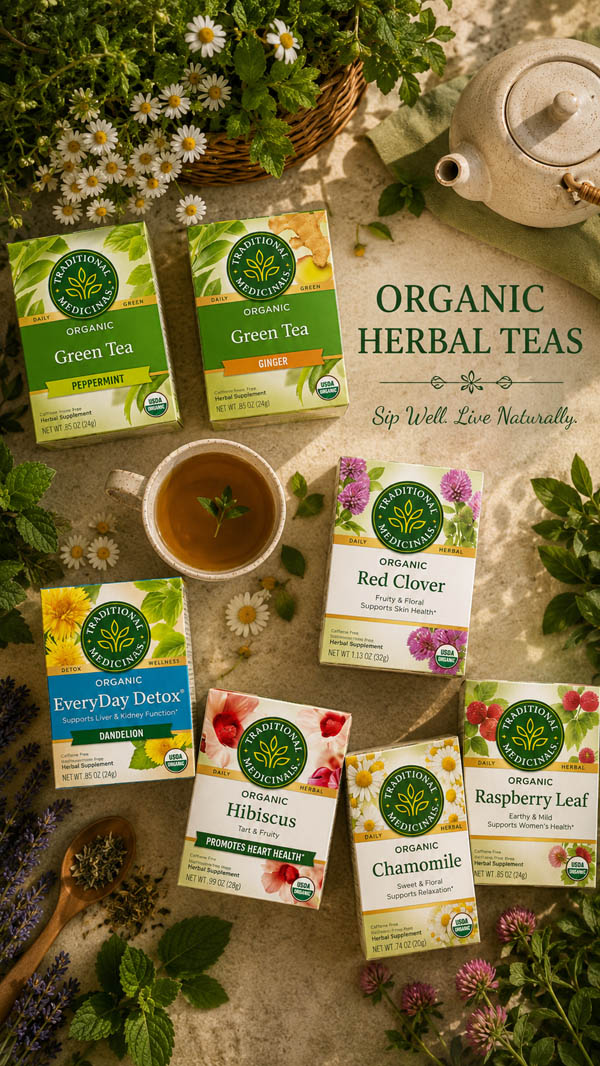
You might begin the morning in the garden with a cup of tea and a prayer of gratitude. Rosemary might grow beside the kitchen door as both a useful herb and a personal symbol of remembrance. Lavender from the garden might dry beside your journal because its fragrance helps you slow down and become present.
You might light a candle before prayer or create a small sacred corner containing a Bible, flowers, a stone, a bowl of water, and other natural objects that help you settle into reflection.
If you want to explore the physical creation of such a space, my natural altar guide takes that idea further.

Working With the Five Elements
A Christian Green Witch might also use the Five Elements as reflective symbols while interpreting them through a Christian worldview rather than adopting someone else's theology unchanged.
- Earth can call attention to soil, embodiment, creation, stability, and responsibility.
- Water can bring to mind cleansing, emotion, life, baptism, and renewal.
- Fire can symbolize light, warmth, courage, transformation, and divine presence.
- Air can invite awareness of breath, voice, prayer, weather, and the unseen forces sustaining life.
- Spirit can become a space for reflecting on God and the sacred mystery beyond the physical world.
The point is not to borrow symbolism mechanically.
Let the meaning grow from what you actually believe.
The Moon as Rhythm Rather Than Authority
The moon is another place where Christian nature spirituality and Green Witchcraft may brush shoulders.
Green Witches may follow lunar phases for gardening, ritual timing, personal reflection, divination, spellwork, or intention setting. A Christian may simply experience the moon as part of the rhythm of creation.
There is an important difference between thinking, “The new moon reminds me to become quiet and consider what I want to nurture,” and believing that the moon itself has authority over your destiny.
If moon awareness fits comfortably within your faith, it can simply become another way of noticing time.
Humans were looking upward long before we invented calendar notifications.
Seasonal Practice and the Wheel of the Year
The same principle applies to seasonal spirituality.
You might welcome spring by preparing the garden, greet midsummer with gratitude for sunlight and growth, celebrate autumn through harvest and thanksgiving, and allow winter to become a season of quiet and rest.
Some Christian Green Witches adapt parts of the Wheel of the Year through their own theology. Others feel that explicitly Pagan Sabbats cross a boundary and instead observe the same seasonal changes without adopting the festivals themselves.
You do not need to manufacture a spiritual answer simply because one looks attractive online.
Pay attention to the season outside your own window.

Small Daily Rituals
Christian Green Witchcraft does not have to revolve around elaborate ceremony.
Ritual is simply repeated action given meaning, and both religion and ordinary life are filled with it.
A gentle practice might mean opening the curtains and offering gratitude for the morning, watering houseplants while praying for someone who needs care, walking without headphones and listening intentionally, lighting a candle before evening prayer, or ending the day by remembering one thing in nature you nearly overlooked.
The point is not to cram magic into every ordinary moment.
It is to stop treating ordinary moments as spiritually empty.
For more small practices that can be adapted to your own beliefs, explore these simple daily Green Witch rituals.
Seven Questions for Christian Green Witch Discernment
If you are still uncertain, you do not need to solve your entire spiritual identity tonight.
Take a notebook outside. Sit beneath a tree, beside your herbs, on a porch, or near an open window. Give yourself enough quiet to answer without trying to please either side of the debate.
1. What Does “Green Witch” Mean to Me?
Forget social media definitions for a moment.
When you use the term, are you describing nature connection, herbalism, magic, Wicca, gardening, animism, seasonal spirituality, folk practice, or a spiritual identity?
Write the answer without trying to make it acceptable to anyone else.
2. What Do I Believe About God?
Do you understand God as separate from creation, present within creation, or both? What does following Jesus mean within your own faith?
Your answer will influence almost every other part of this path.
3. Which Practices Draw Me In Most Strongly?
Perhaps it is not “witchcraft” as a whole that calls to you.
It may be herbs, gardening, seasonal living, moon awareness, ritual, folklore, quiet contemplation, or simply permission to experience nature as spiritually meaningful.
Identifying the true attraction can make everything less tangled.
4. Which Practices Create Inner Conflict?
Notice discomfort without immediately deciding what it means.
Sometimes discomfort comes from old conditioning. Sometimes it comes from conscience. Sometimes we need time before we can tell the difference.
5. Am I Seeking Relationship or Control?
This question can be especially useful when examining prayer, intention, spellwork, manifestation, or divination.
Are you asking, listening, trusting, attempting to guarantee an outcome, or seeking information you believe you could not otherwise know?
Your answer may reveal more than the name of the ritual ever could.
6. Does This Path Make Me More Caring Toward the Living World?
Spirituality rooted in nature should eventually reach nature.
If you love bees as spiritual symbols, learn what they need to survive. If herbs are sacred to you, harvest responsibly. If water carries spiritual meaning, protect it.
That is where reverence grows roots.
7. What Happens If I Stop Worrying About the Label?
Imagine that no one could see your bio, bookshelf, altar, Pinterest board, necklace, or garden.
No one was going to ask what you called yourself.
What would you actually practice?
Start there.

What If Calling Yourself a “Witch” Still Feels Wrong?
Then you do not have to.
Labels should help you understand your path, not hold it hostage.
You may feel more comfortable with a phrase such as:
- Christian nature mystic
- creation-centered Christian
- Christian herbalist
- earth-conscious Christian
- Christian folk practitioner
- nature-centered Christian
- Christian contemplative
Or you may eventually decide that Christian Green Witch describes your spiritual life surprisingly well.
You are allowed to change your mind too.
Spiritual identity is not a tattoo on the soul.
People grow. Beliefs deepen. Questions change. Words that once felt perfect can become too small, while words that once frightened us may become less mysterious once we understand what they actually mean to us.
If you are still trying to understand why the Green Witch path resonates so strongly in the first place, my exploration of recognizing a Green Witch connection may help you explore that pull without forcing it to determine your religious identity.

Can You Be a Green Witch and a Christian Without Hiding Part of Yourself?
This question is more emotional than theological.
Some Christian Green Witches feel completely comfortable discussing their beliefs and practices. Others belong to religious communities where the word witch would end the conversation before it really began.
Green Witch and Pagan spaces can carry assumptions too, including the assumption that anyone practicing witchcraft must reject Christianity.
Living somewhere between communities can feel lonely.
You do not owe everyone an explanation of your spiritual vocabulary. At the same time, constantly hiding something important to you can become exhausting.
It may help to distinguish privacy from shame.
Shame says: “This part of me must stay hidden because it makes me unacceptable.”
Those are different experiences.
Find language that allows you to be truthful about what you believe without turning every conversation into a courtroom.

Frequently Asked Questions About Christianity and Green Witchcraft
Is Green Witchcraft a Religion?
Not necessarily. Green Witchcraft can function as a spiritual practice, magical tradition, lifestyle, or part of a religion. Some Green Witches are Wiccan or Pagan, while others follow another religion or no formal religion at all.
Can a Christian Use Herbs Spiritually?
Herbs themselves are plants. Christians can grow, cook with, study, enjoy, and safely use herbs. Whether a particular spiritual practice involving an herb fits within someone's Christianity depends on what they believe the herb is doing and the beliefs surrounding the practice.
Can a Christian Use Crystals?
Owning or appreciating stones and crystals is not the same thing as believing they possess supernatural power. A Christian might collect a beautiful stone as part of creation or use it symbolically. Belief in crystal energies or metaphysical properties introduces a separate theological question that each person will need to examine within their faith.
Can Christians Follow Moon Phases?
Observing moon phases is simply observing part of the natural world. A Christian may garden, journal, reflect, or simply notice the passing lunar cycle. Attributing spiritual authority, predictive power, or supernatural control to the moon introduces a different set of beliefs that may require further discernment.
Is Prayer the Same Thing as a Spell?
Not necessarily. The outward actions can sometimes look similar, but the spiritual assumptions may be very different. Christian prayer traditionally centers on relationship and communication with God. Spellwork can involve magical intention, correspondences, energy, spirits, deities, or influencing an outcome depending on the tradition.
Can You Be a Green Witch and a Christian if Your Church Says You Cannot?
You may personally understand your spiritual identity differently from your church, but belonging to a particular denomination or congregation can involve doctrinal expectations. If remaining within that community matters deeply to you, the disagreement may require prayer, study, thoughtful conversation, and an honest look at which beliefs you personally hold rather than assuming all Christian traditions will answer the question in the same way.

Finding Your Sacred Balance Between Faith and Nature
So, can you be a Green Witch and a Christian?
For some people, yes.
But that does not mean Christianity and Green Witchcraft are secretly identical traditions with different decorations.
They are not.
A more meaningful answer is that Green Witchcraft is broad enough for some of its nature-centered practices to exist quite comfortably within a Christian relationship with creation, while other practices may create genuine theological conflict.
Your path might eventually look like herbs growing beside the kitchen door, scripture beneath an oak tree, a candle glowing beside your journal, native flowers buzzing with bees, seasonal meals, moonlit walks, and gratitude whispered over muddy hands.
You may be comfortable with the word witch. You may not be. You may draw clear boundaries around divination, deity work, spirit communication, spellcraft, or other practices.
The important thing is to make those choices consciously.
Do not let fear choose your spirituality for you.
But do not let aesthetics choose it either.
Learn the history behind the practices that attract you. Read the scriptures important to your faith. Study Green Witchcraft beyond a handful of beautiful images. Spend time outside. Notice what makes you more compassionate, grounded, reverent, curious, and protective of the living world around you.
Then listen carefully to what remains when the labels become quiet.
Perhaps faith and nature do not always need to be stitched into one perfect philosophy. Sometimes they simply need enough quiet space to tell you where they meet.
If your love for God leads you deeper into wonder at creation, notice that.
If your love of nature brings you into deeper prayer, notice that too.
And if your spiritual path keeps changing as surely as the garden outside your window, you have not failed to find your way.
You are still walking it.

Additional Reading: 11 signs you are a Green Witch